Experiential Learning in STEM: A Hands-On Approach to Education
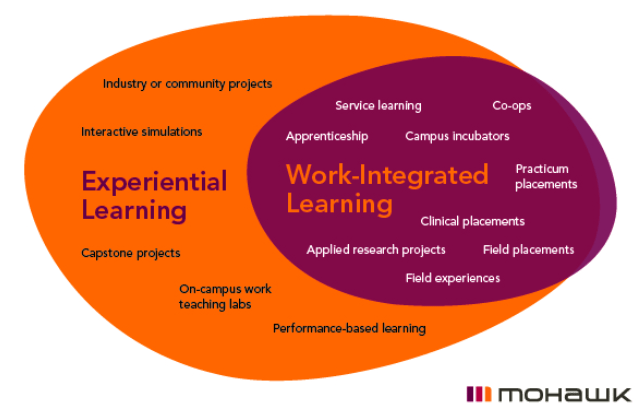
In recent years, there has been a growing emphasis on experiential learning in the field of education, particularly in STEM subjects (Science, Technology, Engineering, and Mathematics). This approach to learning goes beyond traditional classroom teaching methods by actively engaging students in real-world experiences that foster critical thinking skills and problem-solving abilities. By providing hands-on opportunities for exploration and discovery, experiential learning not only enhances students’ understanding of scientific concepts but also prepares them for future careers in STEM fields.
One of the key advantages of experiential learning is its ability to make abstract concepts more tangible and relatable. Traditional textbook-based teaching often fails to capture the practical applications of scientific theories, leaving students struggling to understand their relevance. Experiential learning bridges this gap by enabling students to explore these concepts firsthand through experiments or authentic simulations. For example, instead of simply reading about the laws of motion, students could build their own miniature roller coasters or participate in virtual reality simulations that allow them to experience physics principles directly.
Moreover, experiential learning encourages active engagement and participation among students. Rather than passively absorbing information from lectures or textbooks, they become active agents in their own education journey. Through hands-on activities such as designing prototypes or conducting experiments, students are encouraged to ask questions and seek answers independently. This process fosters curiosity and critical thinking skills while allowing them to develop a deeper understanding of scientific processes.
Another significant advantage is the development of important soft skills through experiential learning experiences. In addition to gaining subject-specific knowledge, students also learn valuable transferable skills such as teamwork, communication, problem-solving abilities, adaptability, and resilience. These qualities are essential for success not only within STEM disciplines but also across various professional domains.
Furthermore
 Alternative Amie
Leave a comment