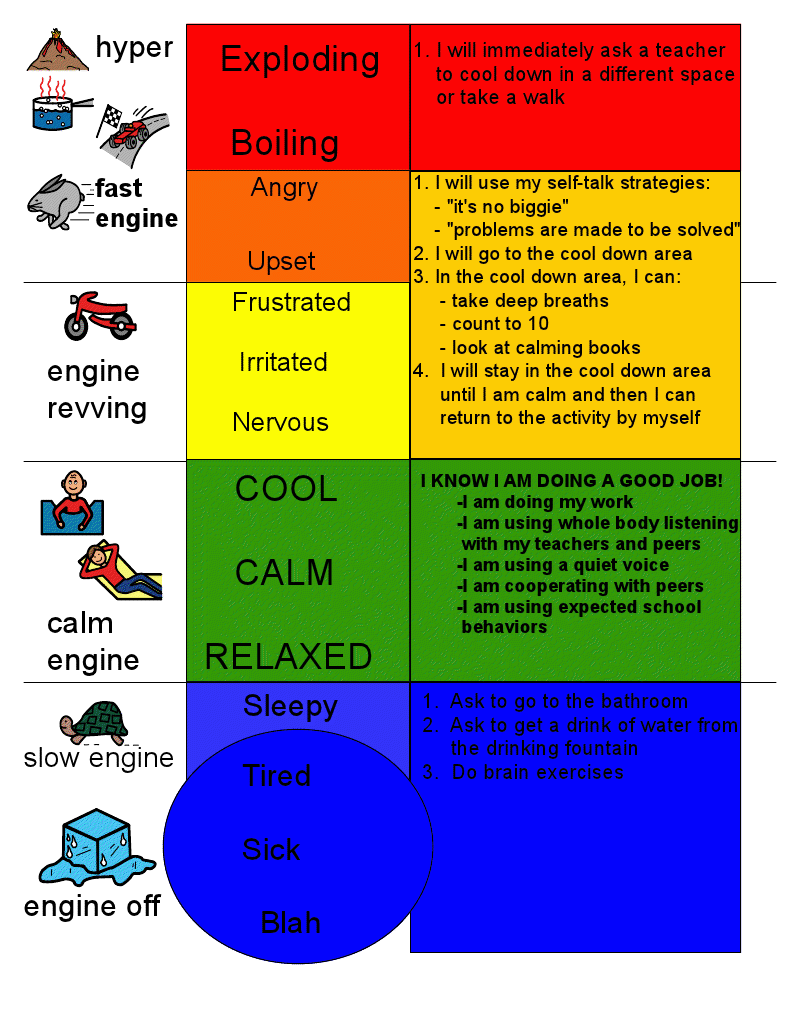
Emotional Regulation Techniques: Nurturing Emotional Well-being in Alternative Education Settings
In alternative schooling and education environments, where the focus is on holistic development and meeting individual needs, emotional well-being plays a crucial role. The ability to regulate emotions contributes not only to academic success but also to building healthy relationships and navigating life’s challenges. By teaching students effective strategies for managing their emotions, alternative schools empower learners with lifelong tools for self-care and resilience.
1. Mindfulness: Mindfulness practice involves paying attention to the present moment without judgment. It helps individuals become aware of their thoughts, feelings, bodily sensations, and surrounding environment. In alternative education settings, mindfulness exercises are often integrated into daily routines or taught as standalone practices. These techniques can include breathing exercises, guided imagery sessions, or body scans that help students tune into their emotions non-judgmentally.
2. Journaling: Writing down thoughts and feelings in a journal can be an excellent way for students to process their emotions constructively. Encouraging reflective journaling allows them to express themselves freely while fostering self-awareness and emotional growth. Additionally, educators can provide prompts related to specific situations or experiences that prompt deeper exploration of emotions.
3. Art therapy: Alternative educational institutions often recognize the power of creative expression in emotional regulation. Art therapy offers a safe space for students to explore their feelings through various artistic mediums such as painting, drawing, sculpting, or collage-making. Engaging in these activities allows individuals to externalize complex emotions that may be difficult to articulate verbally.
4. Physical exercise: Regular physical activity has been shown to have positive effects on mental health by reducing stress levels and releasing endorphins – natural mood-enhancing chemicals in the brain. Incorporating physical exercise into the curriculum provides an outlet for pent-up energy while promoting emotional balance among students.
5. Social-emotional learning (SEL) programs: SEL programs are designed explicitly to teach social skills, self-awareness, and emotional intelligence. These programs often include activities that encourage empathy, conflict resolution, and effective communication. By equipping students with these skills, alternative schools foster an environment where emotional regulation becomes a shared responsibility among peers.
6. Relaxation techniques: Implementing relaxation techniques such as deep breathing exercises or progressive muscle relaxation can help students manage anxiety or overwhelming emotions. Educators can guide students through these practices during designated relaxation periods or incorporate them into classroom routines to create a sense of calm and balance throughout the day.
7. Peer support groups: Alternative educational settings often emphasize community-building and peer relationships. Establishing peer support groups allows students to share their emotions openly in a safe space where they feel understood and accepted by their peers who may be going through similar experiences. Encouraging active listening and supportive feedback within these groups fosters emotional validation and resilience.
8. Conflict resolution strategies: Conflict is an inevitable part of life, but learning healthy ways to resolve conflicts is crucial for emotional well-being. In alternative education environments, educators teach mediation techniques that promote open dialogue, active listening, compromise, and negotiation skills. By equipping students with conflict resolution strategies early on, they develop valuable tools for managing challenging situations in both personal and academic contexts.
Alternative schooling prioritizes the holistic development of learners – academically, socially-emotionally, and personally. Emotional regulation techniques play a vital role in nurturing resilient individuals capable of navigating life’s ups and downs successfully while maintaining mental well-being along the way. By incorporating mindfulness practices, journaling exercises, art therapy sessions, physical exercise opportunities alongside SEL programs into their curriculum framework – alternative schools empower students with lifelong skills for self-care emotionally balanced lives.
 Alternative Amie
Leave a comment