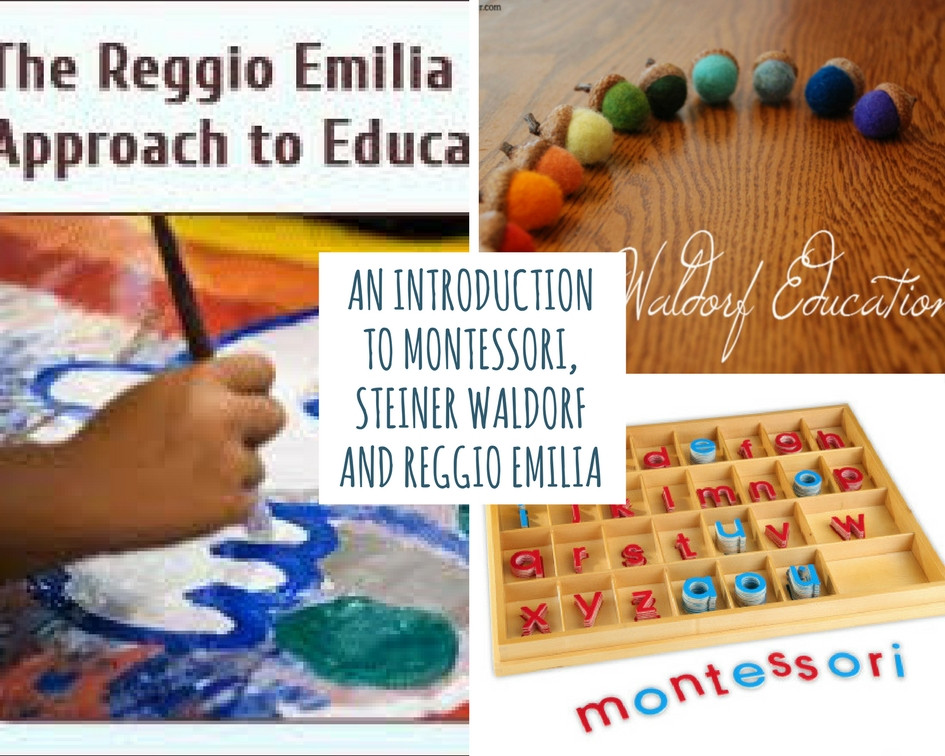
The Reggio Emilia Approach: Fostering Creativity and Collaboration in Education
In the realm of alternative schooling and education, the Reggio Emilia Approach stands out as a unique and innovative approach to early childhood education. Originating in the town of Reggio Emilia, Italy, after World War II, this approach is centered around the belief that children are capable, competent learners who deserve respect and autonomy in their educational journey.
At its core, the Reggio Emilia Approach emphasizes creating an environment that promotes exploration, discovery, and self-expression. It values collaboration between students, teachers, parents, and the community to create a holistic learning experience for children aged 0-6 years old.
One of the key principles of this approach is the importance given to the environment. In a Reggio Emilia-inspired classroom setting, careful attention is paid to creating inviting spaces that encourage curiosity and creativity. The physical environment is seen as a third teacher alongside peers and educators.
Classrooms are designed to be filled with natural light, open spaces for movement and exploration, comfortable seating areas for small group discussions or individual reflection, as well as various materials such as art supplies or loose parts for hands-on experimentation. This intentional design aims to stimulate children’s senses while fostering independence and promoting engagement with their surroundings.
Another fundamental aspect of this approach is project-based learning. Rather than following a rigid curriculum or predefined lesson plans dictated by teachers or textbooks alone; projects emerge from children’s interests within a supportive framework provided by educators.
These projects often begin with questions posed by students themselves or inspired by experiences they encounter in their daily lives. Teachers act not only as facilitators but also researchers alongside students – encouraging them to investigate their curiosities through observation, documentation (such as photographs or drawings), discussion groups (known as “atelieristas”), research books/materials review sessions held regularly throughout each academic year etc., which allows them deeper understandings of the world around them.
Documentation plays a crucial role in the Reggio Emilia Approach. Teachers and students engage in ongoing documentation of their learning experiences, creating a visual record of the journey taken within each project. This documentation serves multiple purposes: to reflect on progress, share with parents, and encourage further exploration and inquiry.
The involvement of parents is highly valued in this approach. Parents are considered partners in their child’s education, actively participating in various aspects such as decision-making processes, sharing information about their family background or cultural traditions that can enrich classroom discussions/projects etc., attending parent-teacher meetings regularly – creating an inclusive community where everyone contributes towards children’s growth and development.
Communication is another key component emphasized by the Reggio Emilia Approach. Teachers aim to create meaningful connections between students’ experiences and communication forms such as art, music, drama – providing avenues for self-expression beyond traditional language barriers alone; thus enhancing children’s ability to express themselves creatively across different modalities while fostering empathy among peers through active listening skills development also encouraged throughout daily interactions.
In addition to creativity and collaboration, the Reggio Emilia Approach places great importance on relationships. The teacher-student relationship is seen as a partnership based on mutual respect and trust. Educators act as guides rather than authority figures – observing children closely to understand their individual needs and interests while supporting their social-emotional development alongside academic growth.
Furthermore, peer relationships are nurtured through small group activities or interdisciplinary projects that promote teamwork, problem-solving skills building etc., fostering a sense of community within the classroom environment itself; allowing children not only learn from but also teach one another through collaborative engagements during everyday tasks/activities they participate together (e.g., cleaning up after playtime).
In conclusion, the Reggio Emilia Approach offers a unique perspective on alternative schooling and education for young learners. By prioritizing creativity, collaboration, active participation from all stakeholders involved (students/teachers/families/community), and fostering a sense of autonomy, this approach creates an environment where children can develop their unique voices and become active learners in their own education.
 Alternative Amie
Leave a comment