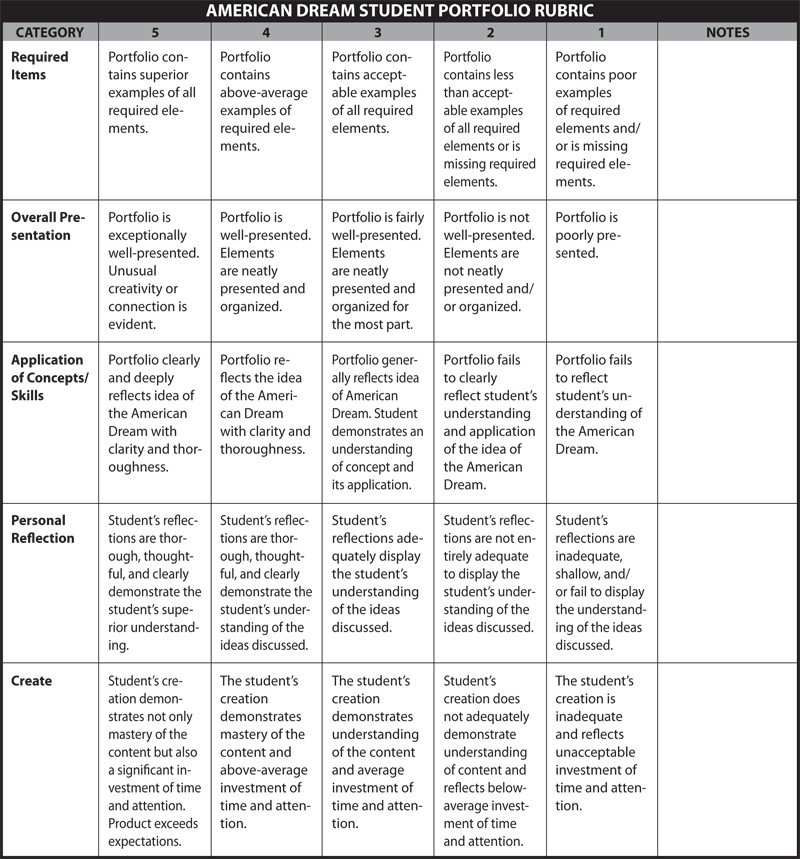
Developing a Portfolio Assessment Rubric
Assessing students’ progress and achievements is an essential part of education. Traditional methods, such as exams and quizzes, often only capture a limited snapshot of students’ capabilities. As educators strive to provide alternative schooling and education approaches, portfolio assessment emerges as a valuable tool for evaluating student growth comprehensively. A portfolio assessment rubric is an effective way to ensure consistency and fairness in evaluating portfolios across different subjects and grade levels. In this article, we will explore the key steps involved in developing a portfolio assessment rubric that can be used in alternative schools.
1. Define the Purpose: The first step in creating a portfolio assessment rubric is to define its purpose clearly. Consider what you want to assess through the portfolios – skills, knowledge, creativity, or all three? By identifying the intended outcomes of the assessments, you can design specific criteria that align with your educational goals.
2. Establish Criteria: Next, determine the criteria against which each portfolio will be evaluated. These criteria should be measurable and reflect the desired learning objectives. For example, if assessing writing skills is important for your program’s goals, you might include elements like organization, coherence, grammar usage, vocabulary choices as evaluation points within your rubric.
3. Determine Performance Levels: Once criteria are established for each aspect of evaluation within your portfolio assessment rubric (e.g., writing skills), define performance levels that represent various degrees of mastery or proficiency. This helps differentiate between exceptional work and those needing improvement while providing clear expectations for students.
4. Provide Descriptions: To ensure clarity during evaluations by both teachers and students alike when using your portfolio assessment rubric; it’s crucial to provide detailed descriptions for each performance level on how well students have met each criterion at different levels – from exemplary to insufficient.
5. Develop Scoring Methodology: Decide on an appropriate scoring methodology based on whether holistic or analytic scoring would best suit your portfolio assessment rubric. Holistic scoring involves evaluating the overall quality of a portfolio as a whole, whereas analytic scoring breaks down evaluation into separate criteria or skills.
6. Pilot and Refine: Before implementing the portfolio assessment rubric school-wide, pilot it with a small group of students. This allows you to test its effectiveness, identify any areas for improvement, and make necessary refinements based on feedback from both teachers and students.
7. Train Teachers: To ensure consistent application of the portfolio assessment rubric across classrooms, provide professional development opportunities for teachers involved in using this evaluation tool. Training sessions can focus on understanding each criterion’s expectations, practicing evaluations collaboratively, and discussing common challenges faced during the process.
8. Continuous Evaluation: A portfolio assessment rubric should not be considered static but rather an evolving document that improves over time through continuous evaluation and revision. Regularly collect feedback from various stakeholders – including students, parents/guardians, and fellow educators – to help refine your rubric and adapt it to changing educational needs.
By developing a comprehensive portfolio assessment rubric tailored to your alternative schooling approach’s unique goals and objectives, you create a powerful tool for measuring student progress holistically while promoting individualized learning experiences. The process outlined above will help ensure fairness in evaluations while providing valuable insights into students’ growth and development throughout their educational journey in alternative schools.
 Alternative Amie
Leave a comment