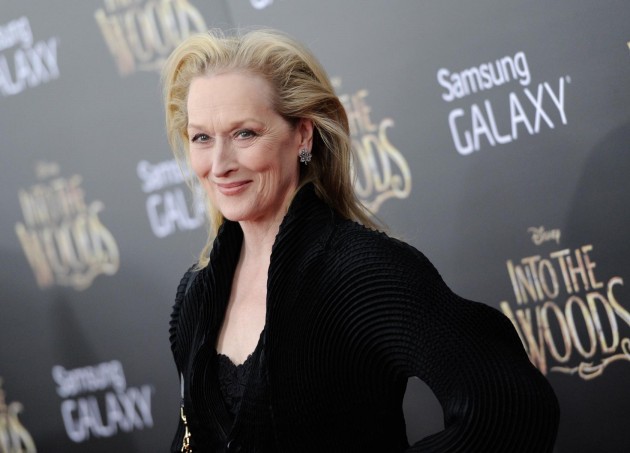
Meryl Streep: A Trailblazer in the World of Alternative Schooling and Education
When we think of Meryl Streep, our minds often conjure up images of her incredible acting skills and countless award-winning performances. But beyond her talent on screen, there is another aspect to Streep’s life that deserves recognition – her commitment to alternative schooling and education.
Streep has long been an advocate for non-traditional educational methods, believing that every child should have access to a personalized learning experience that nurtures their individual strengths and passions. Her dedication to this cause can be seen through her involvement with various initiatives and organizations throughout the years.
One notable example is The OpEd Project, a non-profit organization focused on expanding public debate by amplifying the voices of underrepresented individuals. Streep has been an active supporter of this project since its inception, recognizing the importance of diverse perspectives in shaping educational narratives. Through mentorship programs and workshops, The OpEd Project empowers individuals from all walks of life to contribute their ideas to public discourse.
Streep’s involvement with The OpEd Project reflects her belief in the power of storytelling as a tool for education. She understands that traditional classroom settings may not always provide students with opportunities for self-expression or exploration. By encouraging marginalized voices to share their stories, she helps create space for alternative narratives that challenge conventional wisdom.
In addition to supporting organizations like The OpEd Project, Streep has also championed alternative schooling models such as homeschooling and unschooling. As a mother herself, she recognizes that children learn best when they are given the freedom to pursue their interests at their own pace.
Homeschooling allows parents or guardians to tailor curriculum according to each child’s unique needs and abilities. This flexibility enables students like those with special talents or learning styles outside the norm – whether it be in art, music, science or any other area – to receive an education that nurtures their individuality.
Unschooling, on the other hand, takes this concept a step further by rejecting traditional schooling methods altogether. Instead of following a structured curriculum, unschoolers encourage children to learn through self-directed exploration and real-life experiences. Streep has expressed her admiration for this approach, acknowledging that it fosters creativity and critical thinking skills in ways that conventional education often fails to do.
Streep’s advocacy for alternative schooling models extends beyond mere rhetoric. She has put her beliefs into action by actively homeschooling her own children during various stages of their academic journeys. By doing so, she demonstrates not only her commitment to providing them with the best possible education but also sets an example for parents around the world who may be considering alternative educational paths.
Furthermore, Streep’s involvement with organizations like The OpEd Project and her support for homeschooling and unschooling shed light on the importance of recognizing diverse learning styles in our society. Every child is unique with their strengths and weaknesses, passions and interests – a fact that should be celebrated rather than stifled within rigid educational frameworks.
However, it is crucial to acknowledge that while alternative schooling models can offer incredible benefits for many students, they may not suit everyone’s needs or circumstances. Traditional schools still have an essential role to play in providing access to education for all children, regardless of socioeconomic background or personal preferences.
It is also worth mentioning that implementing alternative educational approaches on a broader scale requires significant changes to existing systems. Adequate resources must be allocated to ensure equal access and support structures are in place to guarantee quality learning outcomes.
In conclusion, Meryl Streep’s advocacy for alternative schooling and education serves as an inspiration for parents, educators, and policymakers alike. Her commitment to amplifying marginalized voices through initiatives like The OpEd Project highlights the power of storytelling as an educational tool. Through her personal experience with homeschooling and unschooling her own children, she demonstrates the transformative potential of alternative schooling models.
While alternative education may not be suitable for every child or situation, Streep’s efforts encourage us to question the status quo and explore innovative ways to foster a love for learning in all young minds. By embracing diverse perspectives and nurturing individual talents, we can create a more inclusive and enriching educational landscape that benefits society as a whole.
 Alternative Amie
Leave a comment