Transition planning for students with IEPs is a crucial aspect of special education that aims to prepare students for life after high school. The Individuals with Disabilities Education Act (IDEA) requires schools to start the transition planning process when a student turns 16, or younger if deemed necessary. This process involves setting goals and creating a roadmap to help students successfully transition into adulthood.
Collaborative goal-setting in IEP meetings plays a vital role in ensuring that the educational needs of students are met. It involves bringing together parents, educators, and other professionals who work with the student to develop meaningful and achievable goals. By involving all stakeholders in the decision-making process, IEP meetings become more effective and inclusive.
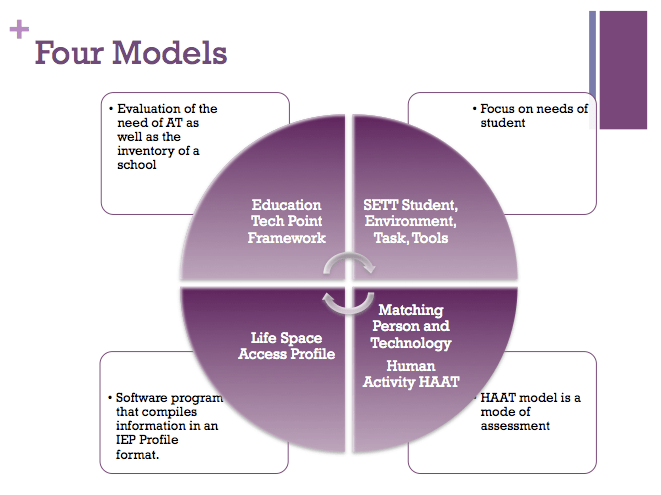
Assistive technology is an essential tool in supporting students’ educational goals outlined in their IEPs. It encompasses devices, software, and equipment designed to enhance learning opportunities for students with disabilities. From text-to-speech software to communication devices, assistive technology helps bridge the gap between students’ abilities and their academic requirements.
Effective communication between parents and educators is key to successful collaboration throughout the IEP process. Open lines of communication ensure that everyone involved has accurate information about the student’s progress, challenges, and interventions being implemented. Regular updates keep parents informed about their child’s growth while allowing them to provide valuable insights from home.
Addressing social-emotional needs within IEPs recognizes that emotional well-being plays a significant role in overall academic success. Students with disabilities often face unique challenges related to self-esteem, social interaction skills, or anxiety management. Including strategies such as counseling services or social skills training ensures that these needs are acknowledged and supported within the framework of an individualized education plan.
Differentiated instruction acknowledges that every student learns differently and requires tailored approaches based on their strengths and weaknesses. Within an IEP context, differentiated instruction means adapting teaching methods, materials, assessments, or classroom environments according to each student’s specific needs and learning style.
Supporting students with autism spectrum disorder (ASD) through their IEPs involves creating an individualized plan that recognizes the unique characteristics of each student’s autism. Goals may include improving communication skills, social interactions, or addressing sensory sensitivities. Strategies such as visual supports, structured routines, and specialized instruction can be incorporated to support students with ASD.
Inclusive practices in mainstream classrooms ensure that students with IEPs have equitable access to education alongside their peers without disabilities. Accommodations may include modified assignments, additional support from paraprofessionals or resource teachers, and assistive technology. Collaboration between special education and general education teachers is essential for successful implementation of these accommodations.
Individualized behavior plans within an IEP address challenging behaviors exhibited by some students with disabilities. These plans aim to understand the underlying causes of behavior and provide strategies to help manage them effectively while maintaining a positive learning environment for all students.
Culturally responsive approaches in developing and implementing IEPs recognize the importance of considering cultural backgrounds when setting goals and designing interventions. Understanding a student’s cultural context helps create more meaningful connections between home culture and educational experiences.
Trauma-informed care acknowledges the impact trauma can have on a student’s ability to learn and engage in school activities. By incorporating trauma-informed practices into the development of IEPs, educators can create safe environments that promote healing while supporting academic growth.
Ensuring equity and access for students with disabilities through their IEPs means providing equal opportunities for success regardless of disability status or background. This involves eliminating barriers, promoting inclusive practices, and advocating for necessary resources or accommodations.
Person-centered planning emphasizes involving the student as an active participant in their own educational journey. It focuses on understanding the student’s strengths, interests, preferences, goals, and aspirations to develop relevant IEP objectives that lead to meaningful outcomes beyond high school graduation.
Collaboration between special education teachers and general education teachers is crucial for the successful implementation of IEP goals. By sharing expertise, resources, and strategies, teachers can provide a more comprehensive educational experience that supports students’ individual needs.
Incorporating student voice and self-advocacy into the IEP process empowers students to take ownership of their education. It involves encouraging students to express their opinions, preferences, and goals during IEP meetings while providing them with the necessary skills to advocate for themselves throughout their educational journey.
Addressing executive functioning skills in IEP goals and accommodations recognizes that these skills are essential for academic success. Executive functioning encompasses abilities such as time management, organization, problem-solving, and self-regulation. Including specific objectives related to developing these skills helps students become more independent learners.
Strategies for fostering independence and self-determination through individualized education plans involve setting goals that promote autonomy and decision-making skills. Providing opportunities for students to practice independence within supportive environments helps build confidence and prepares them for life beyond school.
Supporting students with specific learning disabilities (SLD) through their IEPs entails creating tailored interventions that address each student’s unique challenges in areas such as reading, writing, or math. Collaboratively identifying effective instructional approaches ensures that SLD students receive appropriate support.
Occupational therapy plays a critical role in supporting students’ educational goals outlined in their IEPs by addressing motor skills, sensory integration difficulties, or other barriers hindering participation in classroom activities. Occupational therapists collaborate with educators to ensure a holistic approach to meeting student needs.
Adapting physical education requirements through IEPs ensures that all students have access to meaningful physical activity regardless of disability status. Individualized accommodations may include modified equipment or adapted games designed specifically for each student’s abilities.
In conclusion, individualized education plans play a vital role in ensuring equitable access and support for students with disabilities. By incorporating various strategies such as transition planning, collaborative goal-setting, assistive technology, and addressing social-emotional needs, educators can create meaningful educational experiences that promote student success. Through effective communication, inclusive practices, and a focus on person-centered planning, IEPs can empower students to reach their full potential and thrive in both academic and post-school settings.
 Alternative Amie
Leave a comment