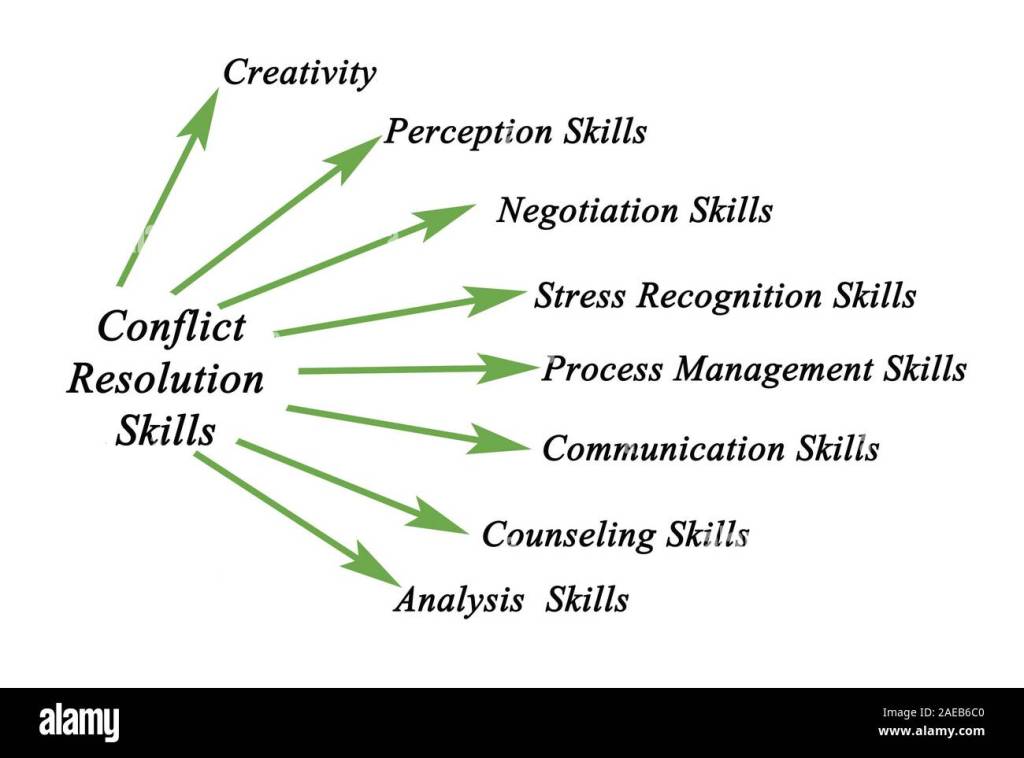
Conflict Resolution Skills: Building Positive Relationships through Effective Communication
In any educational setting, conflicts are bound to arise. Whether it’s a disagreement between students, tension among teachers, or conflicting opinions within the administration, conflicts can disrupt the learning environment and hinder personal growth. That’s why developing conflict resolution skills is crucial for alternative schooling and education.
Effective communication lies at the heart of conflict resolution. By fostering open dialogue and active listening, individuals can better understand each other’s perspectives and work towards finding a common ground. Here are some key strategies for building positive relationships through effective communication:
1. Active Listening: Encourage all parties involved in a conflict to actively listen to one another without interruption or judgment. This creates an atmosphere of respect and understanding where each person feels heard.
2. Empathy: Cultivating empathy allows individuals to put themselves in others’ shoes, acknowledging their emotions and experiences. By showing empathy towards those involved in the conflict, it becomes easier to find mutually beneficial solutions.
3. Nonviolent Communication: Teach alternative schooling students how to express their needs assertively but nonviolently. Encourage them to use “I” statements instead of blaming others or making accusatory remarks that can escalate tensions further.
4. Mediation Techniques: Introduce basic mediation techniques such as identifying issues impartially, facilitating brainstorming sessions for potential solutions, and encouraging compromise when appropriate. These skills empower students with tools they can use both inside and outside the classroom.
5. Conflict Analysis: Help students develop critical thinking skills by analyzing conflicts from multiple perspectives. By examining root causes and underlying factors contributing to conflicts, they gain insights into resolving current disagreements more effectively while preventing future ones.
6 Collaborative Problem-Solving: Emphasize collaboration rather than competition when resolving conflicts among students or staff members alike – teaching compromise fosters cooperation rather than division.
7 Emotional Intelligence Development: Encourage emotional intelligence development by recognizing emotions as valid responses during conflicts while teaching students to express themselves constructively.
8 Conflict Resolution Training: Offer conflict resolution training workshops and seminars for teachers, staff members, and even parents. Equipping them with these skills creates a supportive network that can effectively address conflicts within the educational community.
By implementing these conflict resolution strategies in alternative schooling environments, we create spaces where conflicts can be resolved peacefully and constructively. The ability to navigate conflicts enhances personal growth, fosters positive relationships, and prepares students for success in their future endeavors.
 Alternative Amie
Leave a comment