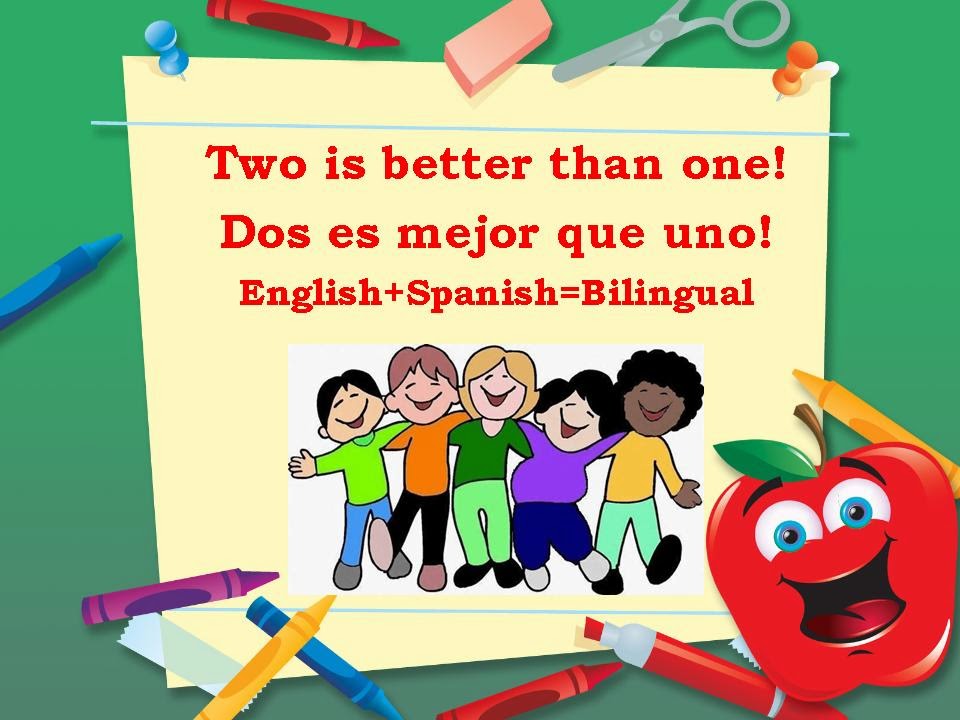
Partnerships with Businesses and Organizations to Support Bilingual Education Financially
Bilingual education is gaining recognition for its numerous benefits in today’s globalized world. Not only does it help students become proficient in multiple languages, but it also promotes cultural understanding and opens doors to diverse career opportunities. However, implementing bilingual programs often requires significant financial resources that schools may struggle to obtain. That’s where partnerships with businesses and organizations can play a crucial role.
By collaborating with local companies or nonprofits, schools can secure the necessary funding to establish and sustain bilingual education programs. These partnerships not only benefit the schools financially but also create a mutually advantageous relationship between educational institutions and external organizations.
One way businesses can contribute to bilingual education is through direct financial support. Companies committed to fostering diversity and inclusivity within their communities can allocate funds specifically for language learning initiatives in local schools. These funds can be used to hire qualified bilingual teachers, purchase instructional materials such as textbooks or online resources, organize cultural events, or even provide scholarships for language immersion programs abroad.
Moreover, businesses that operate globally or have international clients may see the value in investing directly in bilingual education as it helps create a future workforce capable of navigating various linguistic and cultural contexts. Such companies can offer grants or sponsorships tailored towards supporting specific aspects of bilingual education that align with their core values.
Organizations focused on promoting multiculturalism and educational equity can also partner with schools to support bilingual programs financially. Nonprofits specializing in language advocacy or immigrant rights could provide grants aimed at promoting inclusive environments where students from different linguistic backgrounds thrive together.
In addition to monetary assistance, businesses have expertise that they can share with schools pursuing bilingual education initiatives. Corporate training departments could collaborate with educators to develop specialized language curriculum or provide mentorship opportunities for students interested in particular industries where multilingual skills are highly sought after.
Furthermore, these partnerships don’t solely rely on corporate contributions; they also encourage community engagement by involving parents, local professionals, and volunteers. By establishing formal relationships between schools and external organizations, communities become invested in the success of bilingual education programs, leading to greater support from various stakeholders.
In conclusion, partnerships with businesses and organizations offer a valuable opportunity for schools to secure financial resources needed to establish and maintain bilingual education programs. Through direct financial support, grants, expertise sharing, and community engagement, these collaborations ensure that students receive quality language learning experiences while fostering meaningful connections between educational institutions and the wider community. With such partnerships in place, we can pave the way for a more linguistically diverse future where bilingualism is celebrated and nurtured.
 Alternative Amie
Leave a comment