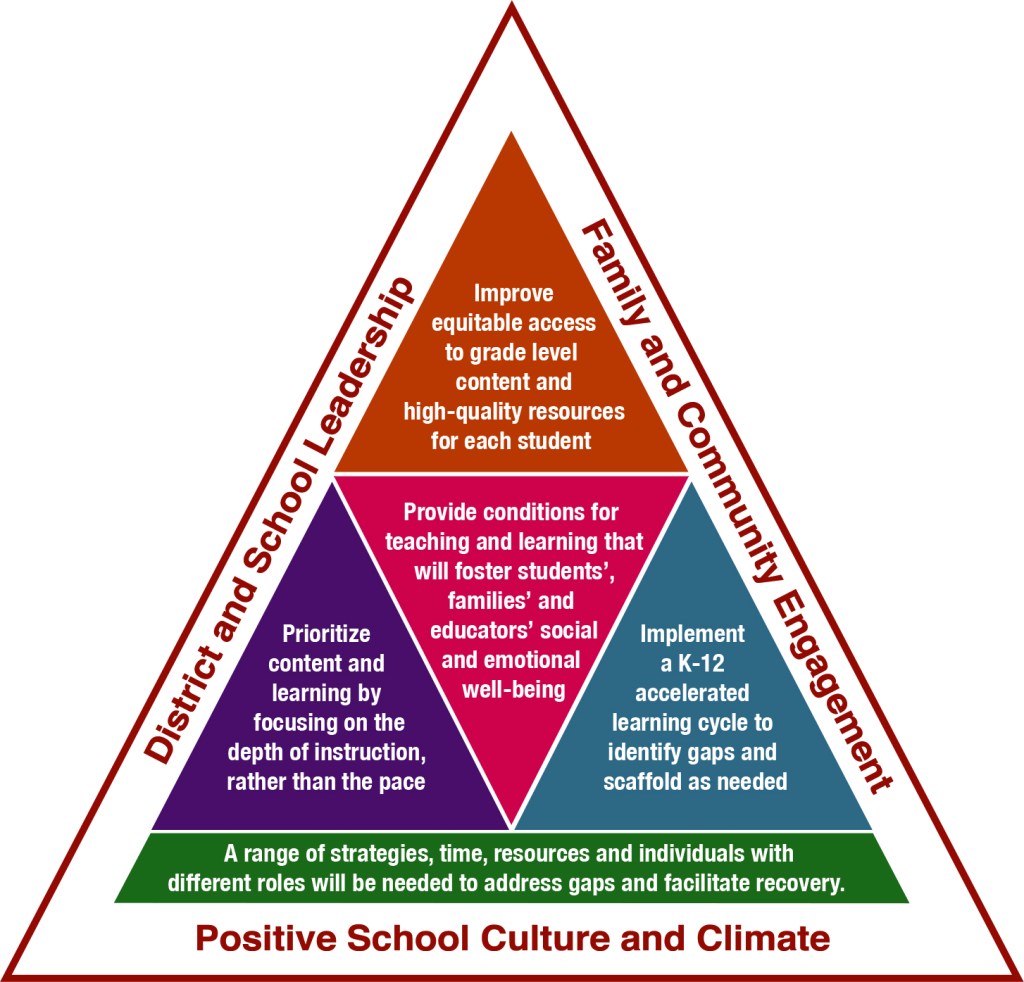
Acceleration: A Path to Personalized and Effective Education
Introduction
In the ever-evolving landscape of education, traditional schooling methods are being challenged by alternative approaches that cater to diverse learning needs. One such approach gaining traction is acceleration, a concept that allows students to progress through grade levels at an accelerated pace. This article aims to provide an overview of acceleration as an alternative schooling method, highlighting its benefits and addressing common concerns.
Defining Acceleration
Acceleration refers to the process by which students move through their educational journey at a faster pace than their peers. It can take various forms, including grade skipping, subject acceleration, early entrance to college or university programs, and dual enrollment in high school and college courses. The underlying principle is to match instruction with each student’s individual abilities and readiness level.
Benefits of Acceleration
1. Tailored Education: One of the key advantages of acceleration is its ability to customize education for each student’s unique abilities and interests. By allowing students to bypass material they have already mastered, it enables them to dive deeper into subjects that challenge them intellectually.
2. Improved Motivation: Traditional classrooms often struggle with keeping highly gifted students engaged due to a lack of sufficient academic challenges. Acceleration provides these students with the opportunity for advanced coursework, which helps maintain their motivation and enthusiasm for learning.
3. Social Development: Concerns about social isolation often arise when discussing acceleration; however, research suggests that accelerated students typically face minimal negative consequences in terms of social development. In fact, they tend to form relationships based on shared interests and find companionship among like-minded peers who share similar intellectual pursuits.
4. College Readiness: For academically advanced learners seeking early admission into higher education institutions or participating in dual-enrollment programs, acceleration offers valuable exposure to college-level coursework while still providing support structures from high school settings—a stepping stone towards successful transition into higher education.
Types of Acceleration
1. Grade Skipping: Grade skipping involves moving a student ahead one or more grade levels to match their academic abilities. This approach is commonly used when students demonstrate exceptional proficiency in core subjects, allowing them to bypass repetitive material and engage with more challenging concepts.
2. Subject Acceleration: When students excel in specific subject areas, subject acceleration allows them to move forward within that particular domain while remaining at their current grade level for other subjects. For instance, a fifth-grade student who excels in mathematics might take advanced courses typically offered to older students.
3. Early Entrance Programs: Some highly gifted students may exhibit readiness for college-level work at an earlier age. Early entrance programs allow these individuals to enroll directly into college or university programs before completing high school requirements fully.
4. Dual Enrollment: Dual enrollment programs enable high school students to simultaneously earn credits towards both their high school diploma and college degree by taking college-level courses during regular school hours or after-school sessions.
Addressing Concerns
While acceleration offers numerous benefits, it is crucial to address common concerns associated with this alternative schooling method:
1. Social Considerations: Concerns about social isolation often arise when considering acceleration; however, research indicates that accelerated students tend to form strong relationships based on shared intellectual interests and can still engage socially with peers of similar cognitive abilities through extracurricular activities and clubs.
2. Emotional Well-being: Critics argue that accelerating academically gifted children may place undue stress on them due to increased workload or expectations from parents and educators. However, studies have shown that properly implemented acceleration programs do not lead to negative emotional outcomes but rather promote positive self-esteem and satisfaction among accelerated learners.
3. Equity Issues: One concern is whether access to acceleration opportunities is available equitably across diverse populations of students, regardless of socioeconomic status or cultural background. It is essential for schools and educational institutions implementing acceleration programs to ensure equal access by identifying potential candidates from all backgrounds using comprehensive assessments that go beyond traditional measures.
Conclusion
Acceleration is a powerful tool for providing personalized, challenging, and rewarding education to highly gifted students. By tailoring instruction to individual abilities and interests, acceleration helps foster motivation, maintains engagement, and promotes academic achievement. While concerns about social isolation and emotional well-being exist, research suggests that when properly implemented, acceleration programs yield positive outcomes for accelerated learners. As the landscape of education continues to evolve towards more inclusive and flexible approaches, acceleration emerges as a viable alternative schooling method that can meet the diverse needs of students seeking intellectual challenges beyond traditional grade-level expectations.
 Alternative Amie
Leave a comment