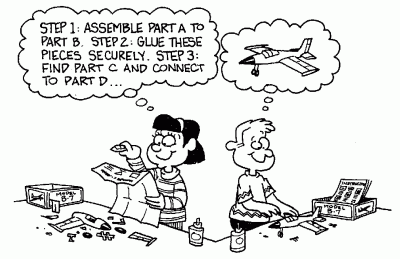
Visual-spatial learning is a unique way of processing information that goes beyond traditional classroom teaching methods. It focuses on using visual and spatial cues to understand and remember concepts, rather than relying solely on verbal or written instruction. This method recognizes the diversity of learners’ strengths and provides an alternative approach to education that can benefit students who struggle with traditional teaching methods.
One key aspect of visual-spatial learning is its emphasis on images, diagrams, and maps as tools for understanding complex ideas. Visual learners often find it easier to grasp concepts when they can see them represented visually. For example, instead of reading a lengthy paragraph about the solar system, a visual learner may better understand the topic by looking at a diagram or model showing the planets in relation to the sun.
Another important element of visual-spatial learning is its focus on spatial awareness. Spatial intelligence involves understanding how objects relate to each other in space and being able to mentally manipulate those objects. Students with strong spatial skills excel in fields such as architecture, engineering, and design because they have a natural ability to visualize three-dimensional objects.
Incorporating visual-spatial learning into educational settings can be achieved through various strategies. One effective technique is incorporating hands-on activities that allow students to physically interact with materials and manipulate objects in space. For instance, building models or conducting experiments enable students to engage their senses while deepening their understanding of abstract concepts.
Furthermore, technology plays a significant role in enhancing visual-spatial learning opportunities for students today. With virtual reality (VR) simulations and interactive software programs becoming increasingly accessible, educators can create immersive experiences that cater specifically to visual learners’ needs. These technologies allow students to explore virtual worlds related to their curriculum while stimulating their minds through interactive visuals.
Moreover, integrating art into academic subjects can also promote visual-spatial learning among students. Creating artworks based on scientific concepts or historical events allows learners not only to express themselves creatively but also reinforces their understanding by visually representing the knowledge they have gained. This approach taps into students’ natural inclination for visual expression and enhances their comprehension of complex topics.
It is crucial to recognize that visual-spatial learning is not limited to specific subjects or age groups. It can be incorporated across various disciplines, from mathematics and science to literature and social studies. For example, when teaching geometry, educators can utilize manipulatives like pattern blocks or tangrams to help students visualize geometric concepts such as symmetry and spatial relationships.
Furthermore, using graphic organizers is a valuable tool in enhancing visual-spatial learning. Graphic organizers are visual representations of information that help learners organize and connect ideas. Whether it’s a mind map, flowchart, or Venn diagram, these tools enable students to see the relationships between different concepts visually. By mapping out their thoughts through these graphical representations, students can better understand the connections between ideas.
Additionally, teachers who incorporate visual-spatial learning should also consider providing alternative assessment methods that align with this approach. Traditional tests may not accurately capture the understanding of a student who excels in visual thinking but struggles with written exams. Offering options like projects involving visual presentations or portfolios showcasing creative work allows these learners to demonstrate their knowledge effectively.
While recognizing the strengths of visual-spatial learning is essential for educators, it’s equally important for parents and caregivers to identify if their child has a preference for this learning style. Observing how they interact with information—whether they enjoy drawing diagrams or prefer hands-on activities—can provide valuable insights into their preferred mode of processing information.
In conclusion, incorporating visual-spatial learning into education offers an alternative approach that caters to diverse learners’ needs by utilizing visuals and spatial cues instead of relying solely on verbal instruction. By embracing techniques such as hands-on activities, technology integration, art integration, graphic organizers, and alternative assessments aligned with this approach, educators can create engaging learning environments that foster deeper understanding among students who excel in visual-spatial learning.
 Alternative Amie
Leave a comment