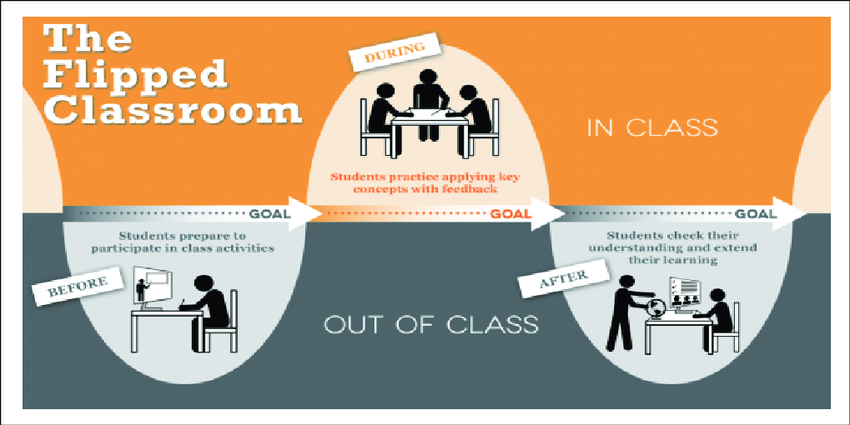
The Flipped Classroom Model: An Innovative Approach to Education
In recent years, the traditional model of education has been challenged by various alternative approaches. One such approach that has gained significant attention is the flipped classroom model. The concept behind this innovative method is simple yet powerful – it involves reversing the typical sequence of learning activities.
Traditionally, students would attend lectures in school and then complete homework assignments at home. However, in a flipped classroom, students are exposed to new material outside of class through pre-recorded video lectures or online resources. They can access these materials at their own pace and convenience, allowing for a personalized learning experience.
The benefit of this approach is evident as it allows for more interactive and engaging classroom sessions. Instead of spending valuable class time on passive listening, teachers can now dedicate their time to facilitating discussions and providing individualized support to students who may be struggling with the material.
This model also promotes active learning as students are encouraged to engage with the content before coming to class. By familiarizing themselves with the material prior to attending lessons, they arrive prepared with questions and ideas that contribute to meaningful discussions during class time.
Furthermore, the flipped classroom model fosters self-paced learning. Students are given the freedom to learn at their own speed rather than being constrained by a rigid timetable. This flexibility accommodates different learning styles and abilities while promoting student autonomy and responsibility for their education.
Additionally, technology plays an integral role in enabling this methodology’s success. With easily accessible online platforms for sharing resources and hosting virtual discussions, educators can effectively support remote or hybrid learning environments – especially crucial during times when physical attendance is restricted.
Critics argue that implementing a flipped classroom requires careful planning from educators’ perspectives since creating high-quality instructional videos demands additional effort upfront. Moreover, some students may struggle with self-discipline when it comes to completing out-of-class work independently without direct supervision.
Nonetheless, proponents argue that these challenges can be mitigated through collaboration and continuous professional development among educators. In fact, studies have shown that students in flipped classrooms often experience improved academic performance, increased engagement, and higher levels of satisfaction with their learning experience.
The flipped classroom model is not a one-size-fits-all solution, but rather an innovative approach to education that complements existing teaching methods. Its potential to enhance student understanding, promote active learning, and foster independence makes it an appealing option for many educators seeking to create a dynamic and engaging learning environment.
In conclusion, the flipped classroom model represents a paradigm shift in education. By flipping the traditional sequence of learning activities, this approach empowers students to take ownership of their education while providing teachers with more opportunities for personalized instruction. As technology continues to advance and online resources become more accessible, the potential for this methodology’s widespread adoption grows significantly. The future holds exciting possibilities as we continue exploring how best to adapt our educational practices to meet the needs of today’s learners.
 Alternative Amie
Leave a comment