Portfolio Assessments: A Holistic Approach to Evaluating Student Learning
In the traditional education system, students are often evaluated solely based on standardized tests and exams. While these assessments do provide some insight into a student’s academic abilities, they fail to capture the full range of skills and knowledge that students acquire throughout their educational journey. This is where portfolio assessments come into play – an alternative method of evaluating student learning that takes a more holistic approach.
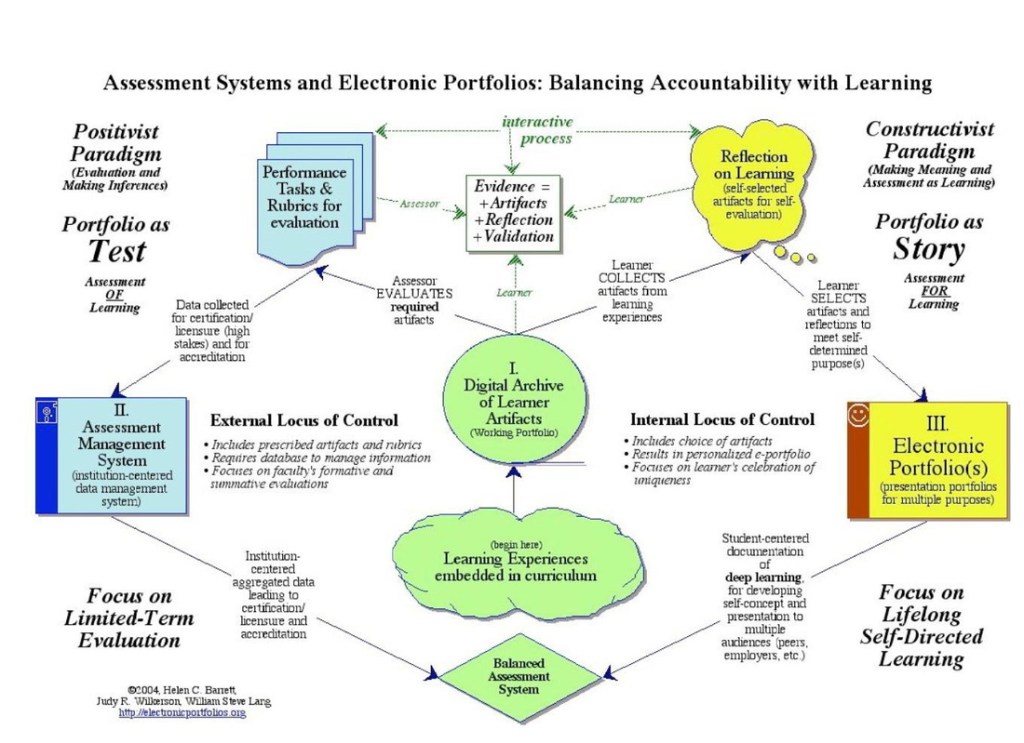
Portfolio assessments involve collecting and documenting samples of student work over a period of time. These samples can include essays, projects, artwork, presentations, and any other form of work that demonstrates the student’s growth and progress in various subjects or areas. By compiling these artifacts, teachers gain a comprehensive view of each student’s development across multiple dimensions.
One key advantage of portfolio assessments is their ability to showcase the diverse talents and interests of students. Unlike standardized tests that focus primarily on academic proficiency in core subjects like math or language arts, portfolios allow for a broader evaluation encompassing creativity, critical thinking skills, problem-solving abilities, teamwork, leadership qualities, and more. This approach acknowledges that every child has unique strengths beyond what can be measured by conventional testing methods.
Moreover, portfolio assessments encourage active participation from students in assessing their own learning progress. Students have the opportunity to select pieces for inclusion in their portfolios based on personal pride or significant improvements made over time. They also engage in reflection activities where they articulate how specific assignments demonstrate their mastery of certain concepts or skills. Through this self-assessment process, students develop metacognitive skills which enable them to better understand their own strengths and weaknesses as learners.
Another advantage lies in portfolio assessments’ potential for fostering authentic connections between classroom learning and real-world applications. Students can include examples from community service projects they participated in or internship experiences they undertook outside school walls within their portfolios. This not only allows them to see how what they learn inside the classroom translates into practical situations, but it also provides evidence of their ability to apply knowledge and skills in real-life contexts.
While portfolio assessments offer a more comprehensive evaluation of student learning, implementing them does come with some challenges. Teachers must invest time and effort into developing clear assessment criteria and rubrics that align with the learning objectives. They need to ensure consistency in evaluating portfolios across different students and grade levels. Additionally, providing meaningful feedback on the vast amount of work included in portfolios can be demanding for educators.
In conclusion, portfolio assessments provide an alternative approach to evaluating student learning that goes beyond standardized tests and offers a more holistic view of each student’s abilities. By compiling samples of work from various subjects or areas over time, teachers can assess students’ growth across multiple dimensions while also promoting self-reflection and metacognitive skills development. Furthermore, these assessments allow for authentic connections between classroom learning and real-world applications. While implementing portfolio assessments requires careful planning and effective assessment strategies, the benefits gained make this method a valuable addition to any educational setting committed to facilitating well-rounded student growth and success.
 Alternative Amie
Leave a comment