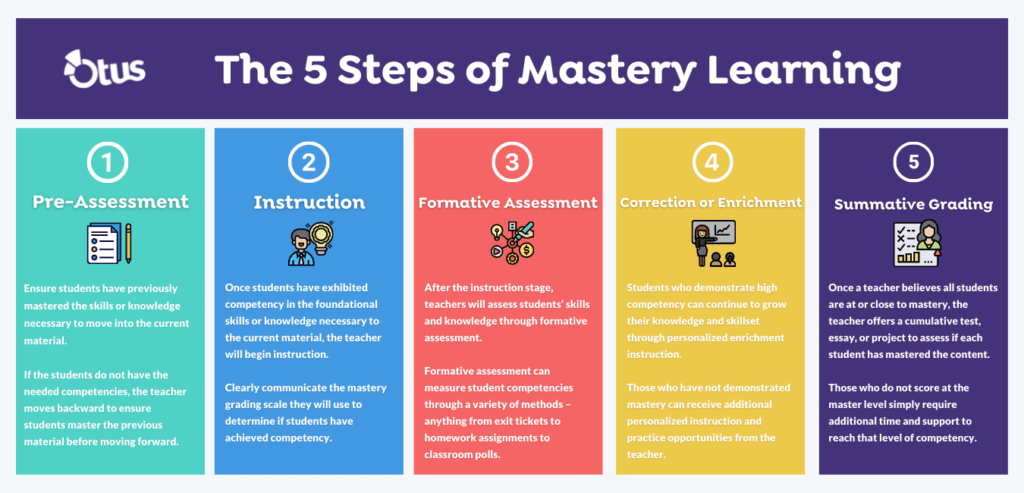
In the realm of education, traditional methods of teaching and learning have long been the norm. However, in recent years, a revolutionary approach known as mastery-based learning has gained traction and is transforming the way students engage with knowledge. This student-centered approach focuses on individual progress and understanding rather than standardized assessments or time-bound curricula.
Mastery-based learning emphasizes depth over breadth, allowing students to delve deeply into concepts until they demonstrate a thorough understanding before moving on. Unlike traditional grading systems that often rely on averages and percentages, mastery-based learning assesses students based on their ability to meet specific criteria or objectives. This shift in focus from grades to skills ensures that students are not simply memorizing information for exams but truly comprehending and applying what they learn.
One of the key benefits of mastery-based learning is its ability to cater to diverse learners. Every student has unique strengths, weaknesses, interests, and paces at which they absorb new information. With this approach, educators can personalize instruction by tailoring content to each student’s needs and providing additional support when required. By promoting self-paced advancement, mastery-based learning empowers students to take ownership of their education while building confidence in their abilities.
Furthermore, this method fosters a growth mindset where mistakes are viewed as opportunities for growth rather than failures. Students are encouraged to embrace challenges as stepping stones towards improvement instead of becoming discouraged by setbacks. By focusing on feedback and iterative improvement rather than rigid deadlines or final grades, mastery-based learning cultivates resilience and perseverance among learners.
Another advantage lies in the increased engagement it generates among students. Traditional schooling often relies heavily on lectures or passive instruction methods that may leave some learners disinterested or disconnected from the material being taught. In contrast, mastery-based learning encourages active participation through hands-on projects and practical applications that make subjects more relevant and meaningful for students’ lives outside the classroom.
Moreover, this educational model promotes critical thinking skills by requiring deeper levels of understanding and application. Instead of simply memorizing facts, students must analyze, evaluate, and synthesize information to demonstrate mastery. This approach develops higher-order thinking skills that are essential for success in the modern world where problem-solving, creativity, and adaptability are prized.
Despite its numerous benefits, implementing mastery-based learning can be challenging for educators. It requires a shift in mindset from both teachers and students alike. Educators need to embrace new assessment methods while providing ongoing support and differentiated instruction to meet individual student needs. Additionally, schools may need to invest in resources such as technology or adaptive learning platforms that facilitate personalized education.
In conclusion, mastery-based learning is an innovative approach that puts the focus on student growth and understanding rather than grades or time-bound curriculum milestones. By embracing this model of education, learners become active participants in their own learning journey while developing crucial skills such as critical thinking, resilience, and self-motivation. As more schools explore alternative approaches to traditional education systems, mastery-based learning offers a promising path towards creating a more inclusive and effective educational experience for all students.
 Alternative Amie
Leave a comment