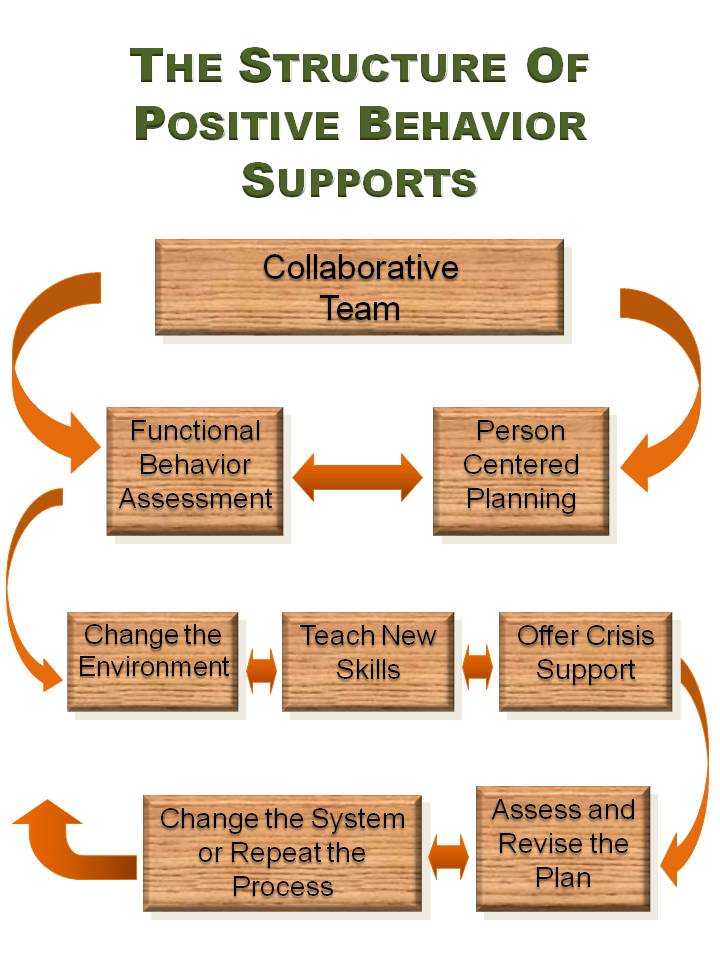
Positive Behavior Supports and Interventions: Nurturing Students for Success
In the world of education, one size does not fit all. Students come from diverse backgrounds, with unique needs and challenges. Traditional schooling may not always address the individual requirements of these students, which is where alternative schooling and education steps in.
Alternative schools provide a supportive environment that caters to students who may have struggled in traditional settings. These schools focus on implementing positive behavior supports and interventions that foster growth, development, and academic success. By understanding each student’s strengths and challenges, educators can create targeted plans that empower them to thrive.
Positive behavior supports (PBS) aim to teach and reinforce positive behaviors while reducing or eliminating negative ones. This approach helps create an inclusive school culture where every student feels valued, respected, and safe. PBS strategies are based on research-backed practices proven effective across various educational settings.
One key aspect of PBS is creating clear expectations for behavior through the establishment of school-wide rules or guidelines. These rules should be positively framed to emphasize what students should do rather than what they shouldn’t do. For example, instead of stating “Don’t run in the hallways,” it could be phrased as “Walk calmly in the hallways.” This shift in language encourages desired behaviors proactively.
To ensure consistency throughout the school community, teachers must explicitly teach these expectations to their students at the beginning of each academic year or when new students join. The use of visual aids such as posters or charts displaying behavioral expectations can serve as helpful reminders for both teachers and students.
Moreover, alternative schools often incorporate proactive strategies like social-emotional learning (SEL) into their curricula. SEL equips students with essential life skills such as self-awareness, self-management, social awareness, relationship skills, and responsible decision-making.
Through SEL programs embedded within daily instruction or specific classes devoted solely to this purpose—students learn techniques like emotional regulation methods (deep breathing, positive self-talk) and conflict resolution strategies. These skills empower students to handle challenging situations constructively, reducing the likelihood of disruptive behaviors.
Alternative schools often employ a multi-tiered system of support (MTSS) framework to address diverse student needs effectively. This tiered model consists of three levels: universal supports, targeted interventions, and intensive individualized supports.
Universal supports encompass practices that benefit all students within the school community. For instance, alternative schools may focus on building strong relationships between staff and students by implementing advisory or mentorship programs. Creating a sense of belonging helps foster positive behavior among students by providing them with trusted adults they can turn to for guidance and support.
Targeted interventions are designed for specific groups of students who require additional support beyond the universal level. These interventions might involve small group counseling sessions or specialized academic assistance. By identifying at-risk students early on, educators can intervene before problematic behaviors escalate.
Intensive individualized supports cater to those few students who require extensive intervention due to significant challenges or disabilities. Alternative schools provide personalized plans tailored to their unique needs through collaboration with parents/guardians, special education professionals, and other relevant stakeholders.
A critical component of PBS is recognizing and celebrating student achievements regularly. Praise and rewards not only motivate but also reinforce desired behaviors in the long run. Alternative schools implement various recognition systems like verbal praise, certificates of achievement, or incentive-based programs that acknowledge positive actions exhibited by students.
However, it is important to note that PBS doesn’t solely focus on rewarding positive behavior; it also aims to prevent negative behaviors from occurring in the first place. Schools should establish consistent consequences for inappropriate actions while maintaining a restorative approach rather than punitive measures alone.
Restorative justice practices emphasize repairing harm caused by misbehavior through dialogue and reflection rather than focusing solely on punishment. Students are encouraged to take responsibility for their actions while being given opportunities to learn from their mistakes—ultimately fostering personal growth and preventing future occurrences of negative behavior.
Another vital aspect of PBS is the collaboration between educators, parents/guardians, and students. Open lines of communication ensure that everyone involved in a student’s education is on the same page regarding expectations, progress, and challenges. Regular meetings or conferences provide an opportunity for sharing valuable insights and developing strategies that best support each student’s needs.
In conclusion, positive behavior supports and interventions are fundamental in alternative schooling environments. By promoting inclusive school cultures through clear behavioral expectations, implementing proactive strategies like social-emotional learning, utilizing multi-tiered systems of support (MTSS), recognizing achievements, incorporating restorative justice practices, and fostering collaborative relationships—alternative schools nurture students for success. Through these approaches tailored to individual needs and strengths, alternative education paves the way for academic achievement while equipping students with invaluable life skills necessary for their future endeavors.
 Alternative Amie
Leave a comment