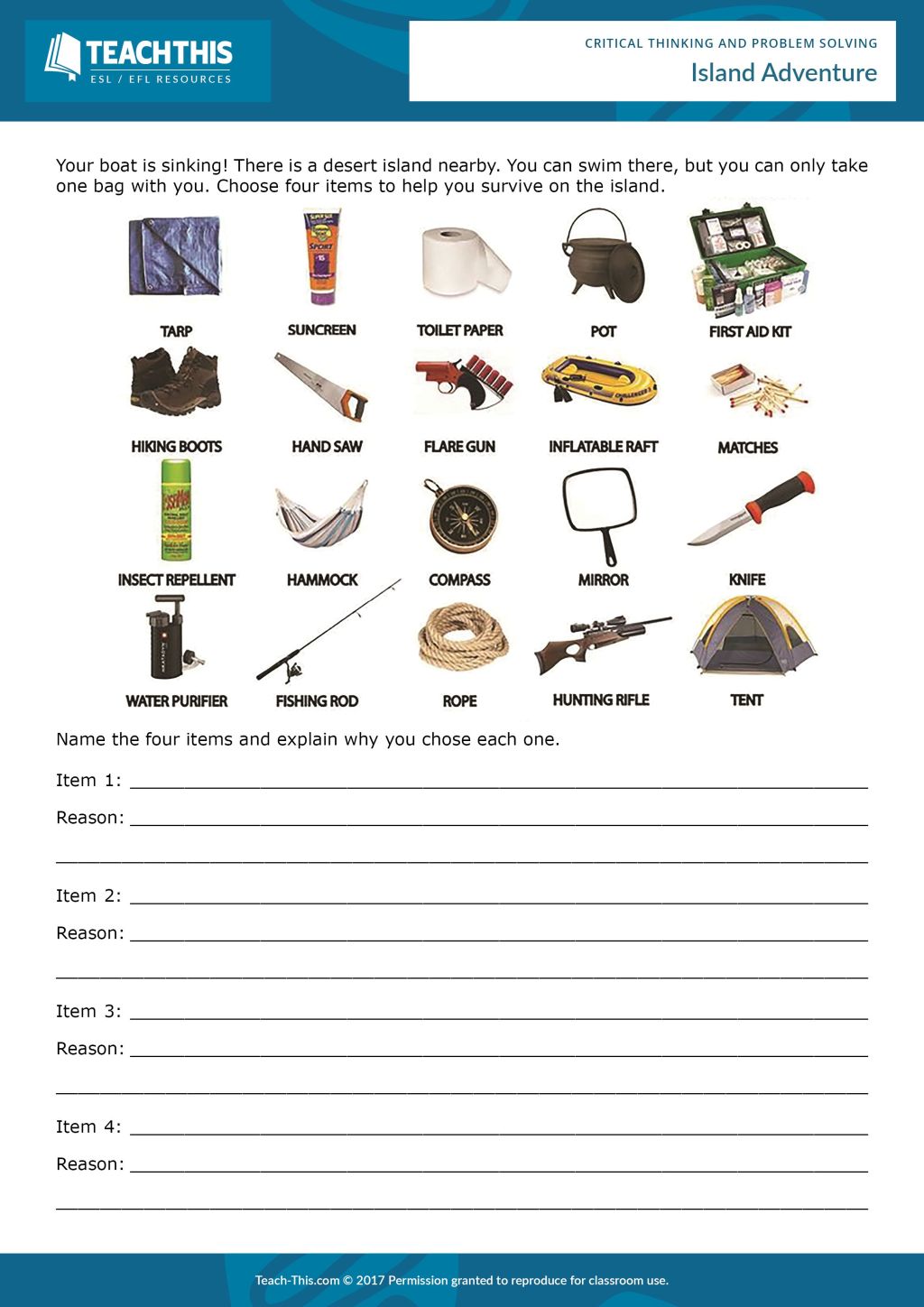
Problem-Solving Tasks: Nurturing Creativity and Critical Thinking Skills
In today’s fast-paced world, problem-solving skills have become more important than ever. As the traditional education system is often criticized for its emphasis on rote memorization and standardized testing, alternative forms of schooling and education are gaining popularity. These innovative approaches prioritize developing essential life skills such as creativity, critical thinking, and problem-solving abilities.
Problem-solving tasks play a crucial role in nurturing these skills among students. By engaging in these tasks, students learn to think outside the box, analyze situations from different perspectives, collaborate effectively with others, and come up with practical solutions. Let’s explore some problem-solving tasks that can be incorporated into alternative schooling and education programs.
1. Design Thinking: This approach encourages students to tackle real-life problems by combining empathy with analytical thinking. Students identify human-centered problems they feel passionate about and work collaboratively to design innovative solutions. For instance, they could be tasked with creating an eco-friendly packaging solution or designing a product that improves accessibility for people with disabilities.
2. Escape Rooms: These immersive experiences challenge students to solve puzzles within a time limit to “escape” from a locked room or scenario. By working together as a team, students develop their communication and critical thinking skills while under pressure. They must decipher codes, solve riddles, and connect clues to progress through the game—a perfect way to enhance problem-solving abilities in an exciting environment.
3. Project-Based Learning: This form of learning revolves around solving complex problems through hands-on projects that integrate various subjects like science, technology, engineering, arts, and mathematics (STEAM). For example, students could be assigned the task of designing sustainable transportation systems for their community using renewable energy sources. Through this project-based approach, they not only gain subject-specific knowledge but also develop critical-thinking skills as they navigate challenges along the way.
4. Role-Playing Scenarios: Role-playing activities provide students with an opportunity to step into different shoes and solve problems from various perspectives. For instance, a scenario might involve students acting as members of a fictional city council tasked with making decisions on urban planning issues. By considering the needs and viewpoints of different stakeholders, students learn to think critically, negotiate effectively, and arrive at well-rounded solutions.
5. Design Challenges: These challenges push students to think creatively while solving problems related to design and engineering. For example, they could be tasked with building a structure that can withstand natural disasters or constructing a device that solves everyday problems faced by people with disabilities. Through these hands-on experiences, students develop problem-solving skills alongside their technical knowledge.
6. Case Studies: Presenting real-life scenarios or historical cases allows students to apply critical thinking skills in context. They analyze the situation, identify key issues, brainstorm potential solutions, and evaluate the consequences of each option before arriving at the most appropriate course of action. This approach enhances analytical thinking while encouraging empathy and ethical considerations.
7. Outdoor Expeditions: Taking learning outside the classroom setting provides unique problem-solving opportunities for students. Whether it’s navigating through unfamiliar terrain during a camping trip or conducting scientific experiments in nature reserves, outdoor expeditions require adaptability and resourcefulness when unexpected challenges arise. Students learn firsthand how to overcome obstacles creatively while appreciating the beauty of nature.
8. Hackathons: Hackathons are intense collaborative events where participants work together within a limited timeframe to create innovative technological solutions for specific challenges or problems. These events encourage teamwork, creativity under pressure, rapid prototyping, and critical decision-making—essential skills in our fast-paced technological world.
Incorporating problem-solving tasks like these into alternative schooling programs not only enriches education but also equips students with vital life skills necessary for success in today’s complex world. By providing opportunities for creative thinking and collaboration through these diverse tasks, educators foster independence and resilience in students, empowering them to become innovative problem solvers.
As educators and parents, our responsibility lies in preparing the next generation for the challenges they’ll face. By embracing alternative forms of education that prioritize problem-solving tasks, we can help nurture the creativity and critical thinking skills needed to thrive in an ever-evolving world.
 Alternative Amie
Leave a comment