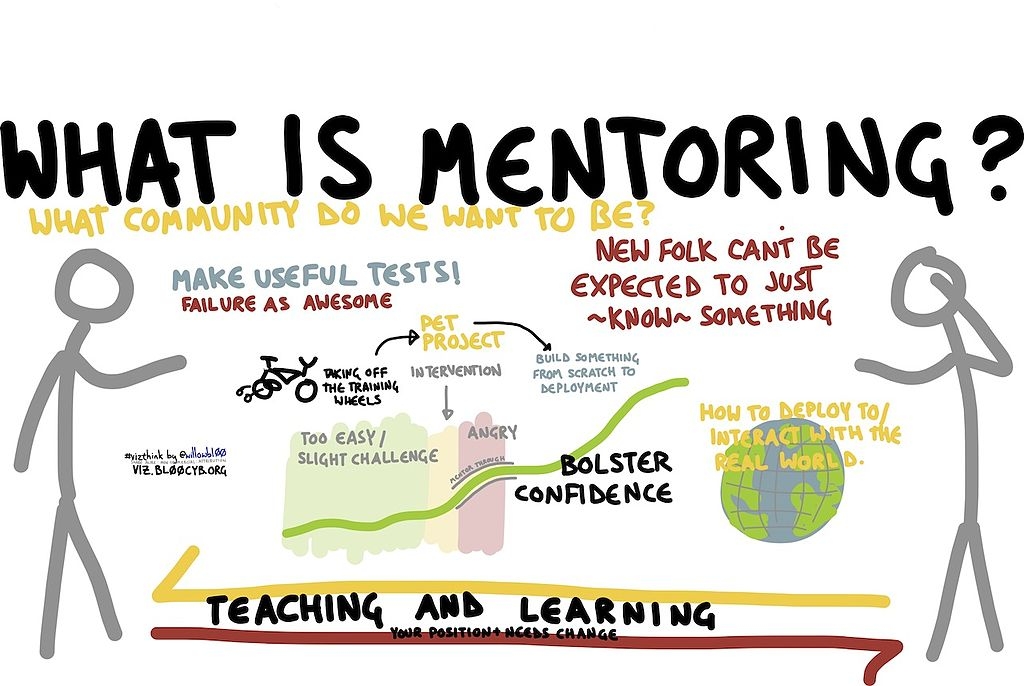
Creating a Positive Mentor-Mentee Relationship
Introduction:
Mentorship is a powerful tool that can have a profound impact on an individual’s personal and professional growth. Whether you are a mentor or a mentee, fostering a positive and productive relationship is crucial for success. In the realm of alternative schooling and education, where unconventional methods are employed to cater to unique learning needs, the mentor-mentee relationship becomes even more significant.
In this article, we will explore the essential elements of creating a positive mentor-mentee relationship in alternative schooling and education settings.
1. Define Goals and Expectations:
Before diving into any mentoring relationship, it is vital to establish clear goals and expectations from both parties involved. This initial step ensures that everyone is on the same page regarding what they hope to achieve together. The mentor should guide the mentee in setting realistic short-term and long-term goals while also aligning those goals with their passions, interests, and abilities.
Additionally, discussing expectations around communication frequency, availability, confidentiality, commitment level, and areas of focus helps set boundaries from the start. Openly communicating these expectations promotes trust between mentors and mentees.
2. Establish Trust:
Trust is at the core of any successful mentoring relationship. Both parties must feel comfortable being vulnerable with each other without fear of judgment or criticism. Building trust requires active listening skills from mentors as well as empathy towards mentees’ challenges.
To establish trust effectively:
a) Confidentiality: Mentors must maintain strict confidentiality unless there are concerns about safety or legality.
b) Honesty: Mentors should provide constructive feedback honestly while remaining respectful.
c) Reliability: Mentors need to be consistent in their commitments by following through on promises made.
d) Empathy: Understanding mentees’ perspectives without making assumptions fosters an environment where they feel understood.
3. Encourage Personal Growth:
One of the primary objectives of any mentor-mentee relationship is to facilitate personal growth and development. Mentors should encourage mentees to step out of their comfort zones, take on new challenges, and explore their potential. By providing guidance, support, and resources, mentors can help mentees discover their strengths and overcome obstacles.
In an alternative schooling and education context, this could involve encouraging mentees to pursue unconventional learning methods or explore alternative career paths that align with their passions. Mentors can also introduce mentees to relevant networks or communities that will further enhance their growth opportunities.
4. Communication Is Key:
Effective communication is vital in any mentoring relationship. Regular check-ins provide a platform for feedback exchange and progress evaluation. Both mentors and mentees should actively listen during these conversations while demonstrating respect for one another’s ideas.
To foster effective communication:
a) Active Listening: Mentors must give full attention to the mentee’s thoughts, feelings, concerns, and aspirations.
b) Openness: Encouraging an open dialogue where both parties feel comfortable sharing their perspectives fosters mutual understanding.
c) Non-judgmental Approach: Avoiding criticism or judgment when discussing challenges helps create a safe space for open conversation.
d) Feedback Loop: Providing constructive feedback allows both mentor and mentee to learn from each other’s experiences.
5. Create Opportunities for Learning:
Mentoring relationships thrive when there are ample opportunities for learning beyond traditional classroom settings. Alternative schooling approaches emphasize experiential learning methods such as field trips, community engagement projects, or internships.
Mentors can play a crucial role in identifying these unique learning opportunities tailored specifically to the interests of their mentees. By offering guidance throughout these experiences, mentors enable hands-on application of skills learned in theory while instilling confidence in the learners’ abilities.
6. Embrace Diversity:
Alternative schooling often attracts individuals from diverse backgrounds with unique talents and perspectives. In creating positive mentor-mentee relationships within this context requires embracing and celebrating this diversity.
Mentors should encourage mentees to explore different perspectives, cultures, and ideas. This fosters a deeper understanding of the world around them while promoting inclusivity and empathy. By valuing diversity, mentors create an environment where everyone feels respected and appreciated for their individuality.
7. Be Flexible:
Flexibility is crucial in alternative schooling environments as they are often designed to cater to specific learning needs that differ from traditional educational settings. Mentors must adapt their approach based on the mentee’s preferences, learning style, and pace.
By being flexible:
a) Tailor-Made Approach: Mentors can customize their strategies to suit the mentee’s unique requirements.
b) Resourceful Problem Solving: Identifying effective solutions when faced with challenges helps maintain progress.
c) Adapting Goals: Recognizing when goals need adjustment or modification allows for realistic growth expectations.
8. Celebrate Achievements:
Acknowledging achievements along the mentoring journey is an essential part of creating a positive mentor-mentee relationship. Both mentors and mentees should celebrate milestones reached, big or small, as it reinforces motivation and confidence.
Recognizing achievements can be done through verbal praise, certificates of accomplishment, public appreciation events or by sharing success stories within the community network. By highlighting these accomplishments, mentors provide encouragement while boosting self-esteem in mentees.
Conclusion:
Fostering a positive mentor-mentee relationship within alternative schooling and education environments requires intentional efforts from both parties involved. By defining goals and expectations upfront, building trust through open communication channels, embracing personal growth opportunities beyond conventional methods of learning, valuing diversity, being flexible in approaches taken based on unique circumstances – both mentors and mentees can thrive together.
Remember that mentorship is a two-way street; both parties have much to learn from each other throughout this journey towards personal development. By investing time and energy into creating a strong foundation for your mentor-mentee relationship, you are setting the stage for lifelong growth and success.
 Alternative Amie
Leave a comment