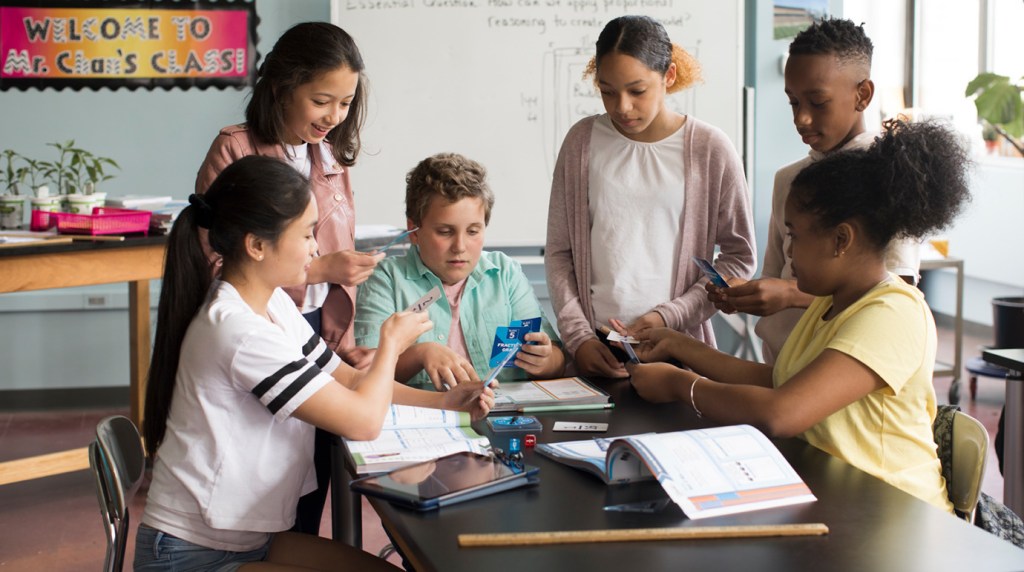
The Jigsaw Method: A Collaborative Learning Approach
Introduction:
Education is a constantly evolving field, with educators and researchers continuously seeking innovative strategies to enhance student engagement and learning outcomes. One such approach that has gained popularity in recent years is the Jigsaw Method. Developed by psychologist Elliot Aronson in the early 1970s, the Jigsaw Method is a collaborative learning technique that fosters cooperative interactions among students. By dividing complex topics into smaller parts and assigning each part to different group members, the method promotes active participation, critical thinking, empathy, and mutual support within the classroom setting.
How does it work?
The Jigsaw Method operates on a simple yet effective principle: breaking down complex tasks or concepts into manageable components for students to tackle collectively. Here’s how it typically works:
1. Formation of Expert Groups:
The class is divided into small groups comprising four to six members each. These groups are known as “expert groups.” Each expert group focuses on one specific aspect of a broader topic or text.
2. Individual Research:
Within their respective expert groups, students are assigned specific sections or subtopics related to the main subject matter they will explore independently. They research these assigned sections using various resources such as textbooks, articles, websites, or teacher-provided materials.
3. Expert Group Discussions:
After conducting individual research, students return to their expert groups and engage in discussions sharing what they have learned about their assigned section of content. This process allows them to consolidate their knowledge while clarifying any doubts or misconceptions.
4. Jigsaw Groups Formed:
Once all expert group discussions are complete, new “jigsaw” groups are formed by selecting one member from each original expert group who studied different aspects of the same topic (e.g., one representative from each of the five original expert groups).
5. Sharing Knowledge:
In these newly formed jigsaw groups, individuals take turns presenting their expertise to their peers. Each student becomes a “teacher” for their assigned subtopic, explaining key concepts, sharing examples, and answering questions posed by the other group members.
6. Reflection and Assessment:
After all jigsaw group presentations are complete, students reflect on what they have learned collectively. Teachers may facilitate a whole-group discussion or provide individual reflection tasks to help students consolidate their understanding of the entire topic.
Benefits of Using the Jigsaw Method:
1. Active Engagement:
The Jigsaw Method encourages active participation from every student in the classroom. By involving them in both independent research and group discussions, it fosters an environment where learners take ownership of their education.
2. Collaboration and Communication Skills:
Collaborative learning is at the heart of the Jigsaw Method. It promotes effective communication among peers as students work together to understand complex topics, solve problems, articulate ideas clearly, and actively listen to one another.
3. Empathy and Understanding:
As each student within an expert group becomes responsible for teaching specific content to their jigsaw group members, empathy develops naturally as they consider others’ perspectives and tailor explanations that are accessible to everyone.
4. Enhanced Critical Thinking:
Breaking down complex subjects into smaller parts encourages critical thinking skills as students analyze information independently before engaging in discussions with their expert groups or presenting within jigsaw groups.
5. Inclusive Learning Environment:
The Jigsaw Method creates an inclusive atmosphere where every individual’s contribution is valued equally regardless of prior knowledge or academic ability. This approach helps diminish feelings of competition among students while fostering a sense of belongingness within diverse classrooms.
6. Improved Retention:
Research suggests that when learners actively engage with course material through collaborative activities like those found in the Jigsaw Method, retention rates increase significantly compared to traditional lecture-based approaches alone.
7. Positive Interdependence:
Students rely on one another’s expertise during both expert group discussions and jigsaw group presentations. This interdependence cultivates a sense of accountability and encourages students to support one another, ultimately strengthening the overall learning experience.
Conclusion:
The Jigsaw Method offers a powerful tool for educators seeking to promote collaborative learning in their classrooms. By breaking down complex topics into manageable chunks and fostering cooperative interactions among students, this approach enhances engagement, critical thinking skills, empathy, and communication abilities. Through its emphasis on active participation and shared responsibility for learning, the Jigsaw Method creates an inclusive environment where all learners can thrive. By integrating this method into their teaching practices, educators can empower students to take ownership of their education while building essential skills necessary for success both inside and outside the classroom.
 Alternative Amie
Leave a comment