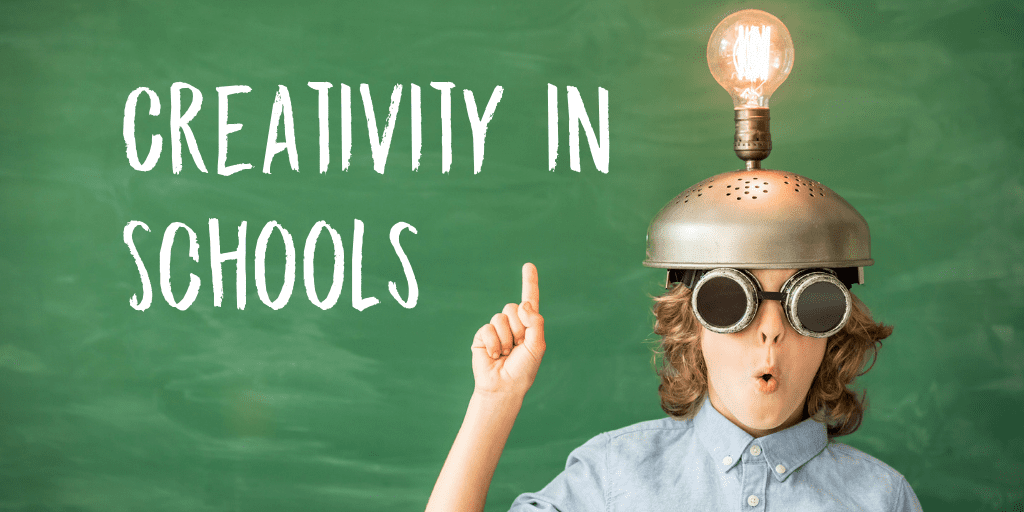
Creativity and Imagination Development: Unlocking the Potential of Alternative Schooling
Introduction:
In today’s rapidly changing world, traditional schooling methods may not always be sufficient to prepare students for the challenges they will face in their future lives and careers. As a result, alternative schooling and education approaches have gained prominence, focusing on fostering creativity and imagination development. This case study explores how these unconventional methods help unlock the potential of students and equip them with essential skills.
The Importance of Creativity and Imagination:
Creativity is often defined as the ability to generate original ideas or solutions, while imagination is the capacity to form mental images or concepts that are not present in reality. These cognitive processes are crucial in enabling individuals to think outside the box, solve complex problems, adapt to new situations, and innovate.
Traditional Education vs. Alternative Schooling Approaches:
Traditional education models often prioritize rote learning, standardized testing, and conformity over creative thinking. In contrast, alternative schooling approaches place a strong emphasis on nurturing individuality and encouraging students’ unique interests.
One such approach is project-based learning (PBL), where students actively engage in hands-on projects that require critical thinking skills. PBL allows students to explore real-world problems independently or collaboratively while developing their creative thinking abilities.
Similarly, arts-based education provides an excellent platform for promoting creativity and imagination development. Through activities like painting, storytelling, music composition, or drama performances, students can express themselves freely while honing their imaginative capacities.
Benefits of Alternative Schooling Approaches:
1. Enhanced Problem-Solving Skills: By encouraging students to tackle real-life challenges through independent inquiry or teamwork within PBL frameworks, alternative schooling approaches foster problem-solving skills from an early age. This enables them to develop innovative solutions by thinking creatively.
2. Increased Motivation: Traditional educational settings sometimes fail to engage students fully due to rigid curricula or lack of relevance in teaching material. Alternative schools offer opportunities for students to explore their passions and interests, making the learning process more enjoyable and motivating.
3. Improved Collaboration: Through activities like group projects or performing arts, alternative schooling approaches facilitate collaboration among students. This not only enhances their social skills but also encourages them to share ideas, think collectively, and appreciate diverse perspectives.
4. Emotional Intelligence Development: Alternative education methods often provide a supportive environment where emotional intelligence is valued alongside academic achievements. This focus on empathy, self-awareness, and understanding emotions allows students to develop a well-rounded set of interpersonal skills that are crucial for success in all aspects of life.
Challenges in Implementing Alternative Schooling Approaches:
While alternative schooling approaches have proven effective in fostering creativity and imagination development, they face certain challenges during implementation. These may include resistance from traditional educational institutions or parents who prioritize traditional academic excellence over holistic growth. Moreover, limited resources or lack of trained educators skilled in facilitating such unconventional teaching methods can pose obstacles as well.
Conclusion:
Alternative schooling approaches that prioritize creativity and imagination development offer new avenues for unlocking the potential within each student. By focusing on project-based learning, arts-based education, and nurturing individuality, these methods empower students with essential skills needed for future success – problem-solving abilities, motivation to learn autonomously, collaboration skills, and emotional intelligence development.
As we continue to navigate an ever-evolving world that demands innovative thinking and adaptability from its inhabitants, it becomes imperative to embrace alternative schooling models that foster creativity and imagination as integral components of education.
 Alternative Amie
Leave a comment