Critical Thinking Skills: Unlocking the Path to Alternative Education
In today’s rapidly changing world, education is no longer confined to the traditional classroom setting. Alternative schooling and education have gained popularity as they provide a more flexible and personalized approach to learning. One of the key skills that play an essential role in alternative education is critical thinking.
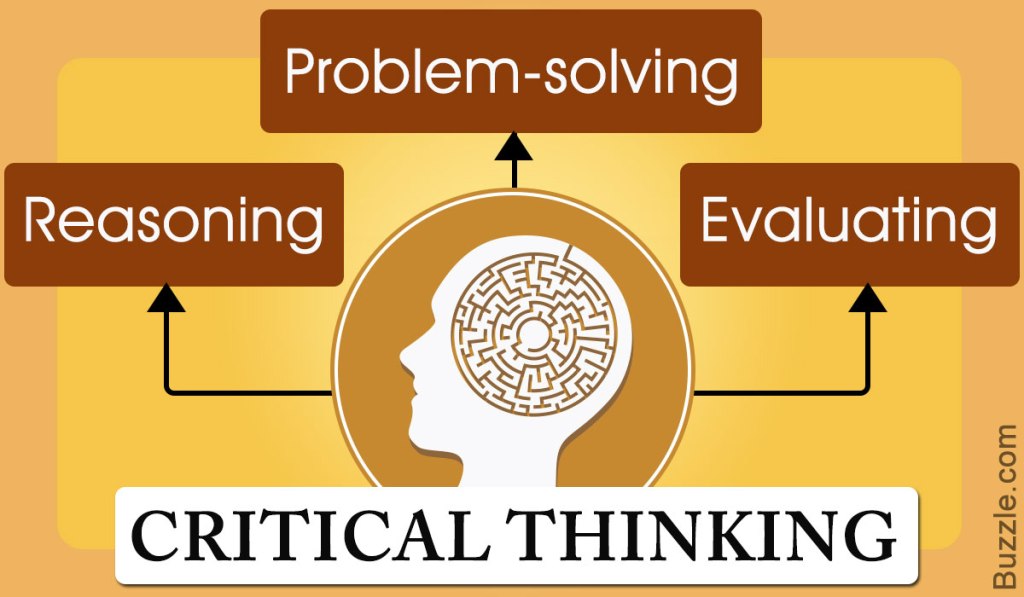
Critical thinking skills enable students to analyze, evaluate, and interpret information effectively. It goes beyond memorizing facts and figures; it encourages individuals to question assumptions, consider multiple perspectives, and make informed decisions. By developing these skills, students become active learners who can navigate through complexities with confidence.
Why are Critical Thinking Skills Important?
1. Encourages Independent Thinking: Critical thinking empowers individuals to think independently rather than blindly accepting what they are told or taught. It helps them develop their own opinions by assessing evidence logically instead of relying on others’ viewpoints.
2. Fosters Problem-Solving Abilities: In alternative education settings, problem-solving is often at the core of learning experiences. Critical thinking equips students with the ability to identify problems, break them down into manageable parts, gather relevant information, brainstorm solutions, and evaluate possible outcomes before making decisions.
3. Enhances Creativity: Critical thinkers embrace creativity as they explore unique ways of solving problems or approaching tasks from different angles. By challenging conventional wisdom and exploring unconventional ideas, critical thinkers contribute fresh perspectives that fuel innovation.
4. Promotes Effective Communication: Clear communication is vital for effective collaboration in alternative educational environments where teamwork plays a significant role in learning experiences. Critical thinking enables students to express themselves clearly while considering how their message may be received by others.
5. Builds Self-Confidence: As students engage in critical thinking processes successfully over time, they gain confidence in their abilities to tackle complex challenges independently or within a group setting.
How Can We Develop Critical Thinking Skills?
1. Asking Thought-Provoking Questions: Encourage students to ask open-ended questions that challenge assumptions and explore multiple perspectives. This helps them develop a deeper understanding of the subject matter and fosters critical thinking.
2. Analyzing and Evaluating Information: Teach students how to evaluate the credibility, relevance, and accuracy of information from various sources. By analyzing data critically, they can form well-informed opinions or make decisions based on solid evidence.
3. Encouraging Debate and Discussion: Create a supportive environment where students feel comfortable expressing their thoughts openly. Engage in classroom discussions and debates that encourage them to defend their ideas while considering opposing viewpoints.
4. Problem-Based Learning: Integrate problem-based learning activities into the curriculum where students are required to apply critical thinking skills to solve real-world problems or complete complex tasks. This approach challenges them to think analytically and creatively while developing practical solutions.
5. Providing Opportunities for Reflection: Allocate time for reflection after completing assignments or projects, allowing students to assess their own work critically. Encourage self-evaluation by asking questions such as “What did you learn from this task?” or “How could it have been improved?”
6. Collaborative Learning Experiences: Foster collaborative learning environments where students can work together in groups on projects or assignments that require critical thinking skills. Group discussions help them gain new perspectives, learn from each other’s strengths, and identify areas for improvement.
7. Emphasizing Real-World Applications: Connect classroom concepts with real-life situations to highlight the relevance of critical thinking skills outside academia. Show examples of how critical thinking is applied in different professions, industries, or everyday life scenarios.
The Benefits of Critical Thinking in Alternative Education
Alternative education aims to cultivate lifelong learners who can adapt to changing circumstances confidently. When students develop strong critical thinking skills as part of their alternative education journey, they experience several benefits:
1) Improved Academic Performance: Critical thinkers tend to excel academically as they possess superior problem-solving abilities, analytical thinking, and logical reasoning skills.
2) Enhanced Career Readiness: Critical thinking is a highly sought-after skill in the job market. Employers value individuals who can analyze complex situations, make sound decisions, and find innovative solutions to problems.
3) Greater Empathy and Understanding: By considering multiple perspectives, critical thinkers develop empathy and understanding towards diverse viewpoints. This encourages open-mindedness and fosters a more inclusive society.
4) Lifelong Learning Mindset: Critical thinking nurtures an innate curiosity that drives individuals to continue learning throughout their lives. It instills a desire for intellectual growth beyond formal education settings.
In conclusion, critical thinking skills are essential for alternative education because they empower students to become active learners capable of navigating the complexities of an ever-changing world. By encouraging independent thinking, problem-solving abilities, creativity, effective communication, and self-confidence building; developing these skills equips students with tools needed for success both academically and in their future careers. Emphasizing thought-provoking questions, analyzing information critically, fostering debate and discussion environments, incorporating problem-based learning activities alongside reflection opportunities supports students’ journey towards becoming strong critical thinkers. The benefits of cultivating these skills include improved academic performance, enhanced career readiness capabilities along with greater empathy & understanding plus fostering lifelong learners who embrace continuous personal development even outside formal educational contexts.
 Alternative Amie
Leave a comment