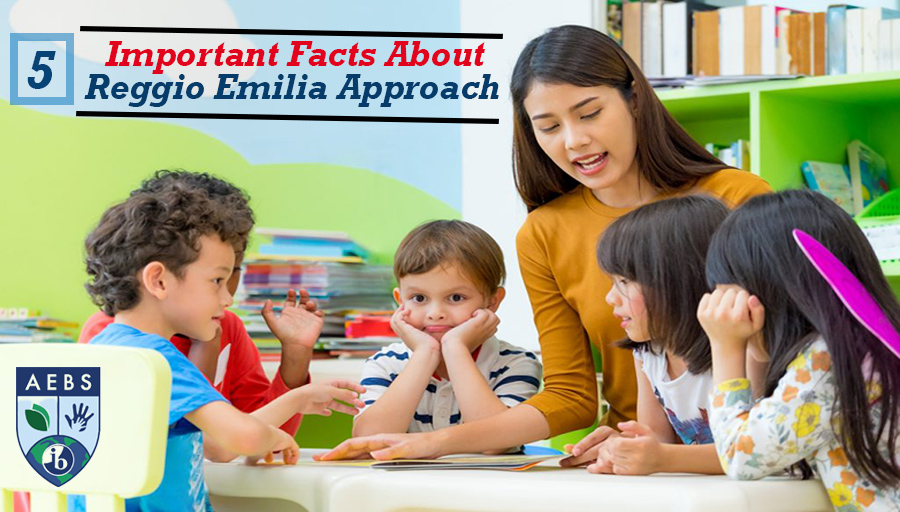
As parents, we all want the best education for our children. We want them to grow up to be curious, creative, and confident individuals who are ready to take on the world. Enter the Reggio Emilia approach – a unique educational philosophy that has been gaining popularity in recent years.
So, what exactly is the Reggio Emilia approach? Well, it originated in the town of Reggio Emilia in Italy after World War II. The citizens of this small town believed that education should focus on nurturing a child’s natural curiosity and love for learning rather than following a rigid curriculum.
In a nutshell, the Reggio Emilia approach emphasizes hands-on learning experiences and encourages children to explore their interests and express themselves through various forms of art. Children are seen as active participants in their own learning journey rather than passive recipients of information.
One aspect that sets this approach apart from traditional schooling is its emphasis on collaboration. In Reggio-inspired classrooms, teachers act as facilitators or guides rather than authority figures. They encourage children to work together in groups, solving problems collectively and sharing ideas.
Another fascinating element of this approach is how it integrates nature into everyday learning experiences. Many Reggio-inspired schools have beautiful outdoor spaces where children can connect with nature and engage in activities like gardening or observing wildlife. This connection with the natural world not only enhances their understanding of science but also fosters a sense of environmental stewardship from an early age.
The use of documentation is another hallmark feature of the Reggio Emilia approach. Teachers carefully observe each child’s progress and create portfolios showcasing their development over time. These portfolios often include photographs, artwork, recordings, and written reflections that capture moments of discovery and growth. This documentation serves multiple purposes: it helps teachers understand each child’s individual needs better while also providing valuable insights for parents about their child’s educational journey.
One might wonder if such an unconventional method can adequately prepare children for more structured academic environments. However, studies have shown that children who attend Reggio-inspired schools develop strong critical thinking skills, problem-solving abilities, and a deep sense of self-confidence. They are also more likely to become lifelong learners who approach challenges with enthusiasm and creativity.
Of course, like any educational philosophy, the Reggio Emilia approach has its challenges. Implementing this method requires dedicated teachers who are willing to let go of control and trust in the natural learning process. It also demands a supportive community that values creativity and individuality over conformity.
In conclusion, the Reggio Emilia approach offers a refreshing alternative to traditional schooling methods. By nurturing children’s innate curiosity and emphasizing collaboration, nature exploration, and documentation, it sets the stage for meaningful learning experiences that truly empower young minds. So why not consider embracing this unique educational philosophy? After all, as Albert Einstein once said: “Education is not the learning of facts but the training of minds to think.” And what better way to train young minds than through the wonders of Reggio Emilia?
 Alternative Amie
Leave a comment