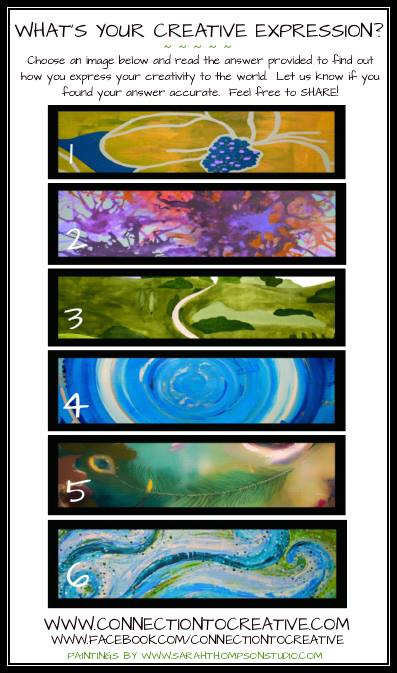
Creative expression is an integral part of human nature. It allows individuals to convey their thoughts, emotions, and ideas in unique and personal ways. This form of self-expression is not limited to any specific medium or art form; it can be manifested through writing, painting, music, dance, photography, and many other outlets. In alternative schooling and education environments, creative expression holds immense value as it encourages students to explore their talents and interests while fostering a sense of individuality and self-confidence.
Why is creative expression important?
1. Self-discovery: Through creative expression, individuals can discover more about themselves – their likes, dislikes, strengths, weaknesses, passions – which ultimately leads to greater self-awareness and understanding.
2. Communication: Creative expression provides an avenue for effective communication when verbal communication may fall short. Artistic mediums allow for the exploration of complex emotions or abstract ideas that are sometimes difficult to articulate using words alone.
3. Emotional well-being: Engaging in creative activities has been shown to have positive impacts on mental health by reducing stress levels and promoting relaxation. It serves as an emotional outlet where individuals can express their feelings without judgment or limitation.
4. Problem-solving skills: Creative expression often requires thinking outside the box and finding innovative solutions to artistic challenges or obstacles. This process fosters critical thinking skills that can be applied beyond the realm of arts into problem-solving in various areas of life.
5. Confidence building: When individuals engage in creative pursuits regularly and witness their progress over time, it enhances their confidence levels significantly. The ability to create something meaningful boosts self-esteem while also encouraging risk-taking.
6. Empathy development: Participating in artistic endeavors helps individuals develop empathy by allowing them to see the world from different perspectives through storytelling or exploring diverse themes within art forms such as literature or film.
7.Encourages originality: Creative expression encourages independent thinking by challenging societal norms and encouraging individuality rather than conformity. It nurtures a sense of uniqueness and helps individuals embrace their authentic selves.
How can alternative schooling and education environments promote creative expression?
1. Embrace diverse art forms: Alternative schools should offer a wide range of artistic mediums for students to explore, including visual arts (painting, sculpture), performing arts (dance, theater), music, writing, photography, and more. This allows students to discover their interests and talents in various areas.
2. Provide dedicated creative spaces: Schools can allocate specific areas or studios equipped with necessary tools and materials where students can freely engage in their chosen form of creative expression. These spaces should be welcoming, inspiring, and conducive to the artistic process.
3. Incorporate creativity into curriculum: Alternative schools have the flexibility to integrate creative expression into various subjects beyond traditional art classes. For example, literature classes can include opportunities for storytelling or poetry writing while science classes may involve hands-on experiments that require innovative thinking.
4. Encourage interdisciplinary collaboration: Creative expression thrives when different art forms come together. Teachers can encourage collaborative projects where students from different disciplines work together on a common project such as a play production or multimedia artwork.
5. Celebrate student achievements: Recognizing and celebrating student accomplishments in the field of creative expression is crucial for building confidence and fostering a supportive environment that values individuality. Schools can organize showcases or exhibitions where students’ artworks are displayed or performances are held.
6.Provide mentorship opportunities: Inviting artists from various fields to conduct workshops or mentorship programs not only exposes students to different perspectives but also inspires them by showcasing successful individuals who have pursued creative careers.
7.Foster an inclusive environment: Alternative schools should create an atmosphere that welcomes all types of artistic expressions regardless of skill level or background. Students should feel encouraged to experiment without fear of judgment while receiving constructive feedback that helps them grow as artists.
In conclusion, promoting creative expression in alternative schooling and education environments is essential for nurturing individuality, self-discovery, and personal growth. By embracing diverse art forms, providing dedicated spaces, integrating creativity into the curriculum, encouraging collaboration, celebrating achievements, offering mentorship opportunities and fostering inclusivity, schools can create an environment where students feel empowered to express themselves creatively. Through this process of self-expression, students not only develop artistic skills but also gain valuable life skills such as empathy, problem-solving abilities, and confidence that will benefit them in all aspects of their lives.
 Alternative Amie
Leave a comment