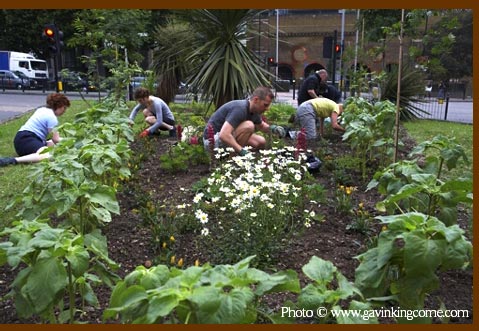
Guerrilla gardening is a grassroots movement that involves cultivating and beautifying neglected or abandoned spaces without permission. It allows individuals to take control of their surroundings and transform them into vibrant, green areas for the community to enjoy. In this FAQ-style post, we will explore the basics of guerrilla gardening, including its history, benefits, techniques, legal considerations, and tips for getting started.
1. What is guerrilla gardening?
Guerrilla gardening is an act of reclaiming unused land by planting flowers, vegetables, and other plants in public spaces such as sidewalks, alleys, vacant lots, or even roundabouts. It is a form of activism that aims to improve urban environments while promoting sustainability and community engagement.
2. How did guerrilla gardening start?
The term “guerrilla gardening” was coined by Liz Christy in New York City during the 1970s when she transformed an empty lot into a garden with her friends. Since then, it has grown into a global movement addressing social and environmental issues through horticulture.
3. What are the benefits of guerrilla gardening?
There are numerous benefits associated with guerrilla gardening. Firstly, it beautifies neglected areas by introducing colorful flowers and lush greenery. This can uplift moods and enhance overall well-being within communities.
Secondly, these gardens help combat air pollution by absorbing carbon dioxide and releasing oxygen.
Thirdly they provide habitats for bees, butterflies,and birds which play vital roles in pollination.
Lastly they encourage social interaction among residents who may come together to maintain these shared spaces.
4. Are there any legal considerations?
Since guerrilla gardens are established on public or private property without permission from owners or authorities,it does present some legal challenges depending on local regulations.However,in many cases,the authorities tend to turn a blind eye unless complaints arise.If you’re concerned about legality,you could consider seeking permission from property owners or collaborating with local organizations that support community greening initiatives.
5. How can I get started with guerrilla gardening?
To begin your guerrilla gardening journey, here are some steps you can follow:
– Identify neglected spaces in your community that could benefit from greenery.
– Research the plants suitable for those areas based on sunlight exposure and soil conditions.
– Acquire seeds or seedlings of native or adaptive plants to ensure their survival.
– Collect necessary tools like shovels, trowels, watering cans, and gloves.
– Form a group or enlist friends who share the same passion for beautifying public spaces.
– Plan the planting process carefully to maximize impact and minimize disturbance.
6. What are some popular techniques used in guerrilla gardening?
There are various techniques employed by guerrilla gardeners depending on the location and available resources. Some common methods include seed bombing (tossing seed-filled clay balls into targeted areas), container gardens (using pots or planters), vertical gardens (utilizing walls or structures), and even rooftop gardens.
7. How do I maintain a guerrilla garden?
Maintenance is crucial to ensure the long-term success of any guerrilla garden. Regular watering, weeding, pruning, and fertilizing may be required until the plants become established. It’s also important to engage with members of the community to encourage them to take ownership of these shared spaces.
8. Can children participate in guerrilla gardening?
Absolutely! Guerrilla gardening provides an excellent opportunity for children to learn about environmental stewardship, horticulture,and civic engagement.Children can help choose plants,sow seeds,take care of plants,and witness firsthand how their efforts transform neglected spaces into thriving green oases.
9. Are there any risks associated with guerrilla gardening?
The primary risk associated with guerilla gardening is potential conflict with property owners or local authorities if they oppose such activities due to legal concerns or aesthetic reasons.Communication,discussion,and collaboration can often help mitigate these risks.
10. Can I eat the produce grown in a guerrilla garden?
Yes, if you choose to grow edible plants in your guerrilla garden, you can absolutely enjoy the harvest! However, it’s important to consider potential contamination from pollutants or chemicals that may be present in urban environments. Choosing suitable locations and practicing safe gardening practices are essential for growing edible crops.
11. Are there any resources or organizations that support guerrilla gardening?
There are numerous online resources and social media groups dedicated to promoting and sharing information about guerrilla gardening. Some notable organizations include The Guerrilla Gardening Club, Green Guerillas (New York City-based), and Incredible Edible Network (UK-based). These platforms offer guidance,tips,and inspiration for aspiring guerrilla gardeners.
12. How can I inspire others to join the movement?
One of the best ways to inspire others is by leading by example.Start by transforming a small area into a beautiful green space.Share your progress on social media platforms using relevant hashtags.Organize community events,such as seed swaps or workshops,to educate others about guerrilla gardening.Encourage friends,family,and neighbors to participate in these activities.By showcasing the positive impact of your efforts,you’ll undoubtedly inspire others to join the movement too.
In conclusion,guerrilla gardening provides an opportunity for individuals to create positive change within their communities.It allows people of all ages and backgrounds to come together,promote sustainability,and beautify neglected spaces.If done with care,respect,and collaboration,it has the power not only to transform physical landscapes but also foster stronger connections among community members.So why not grab your tools,get some seeds,and start cultivating a greener future through this incredible grassroots movement?
 Alternative Amie
Leave a comment