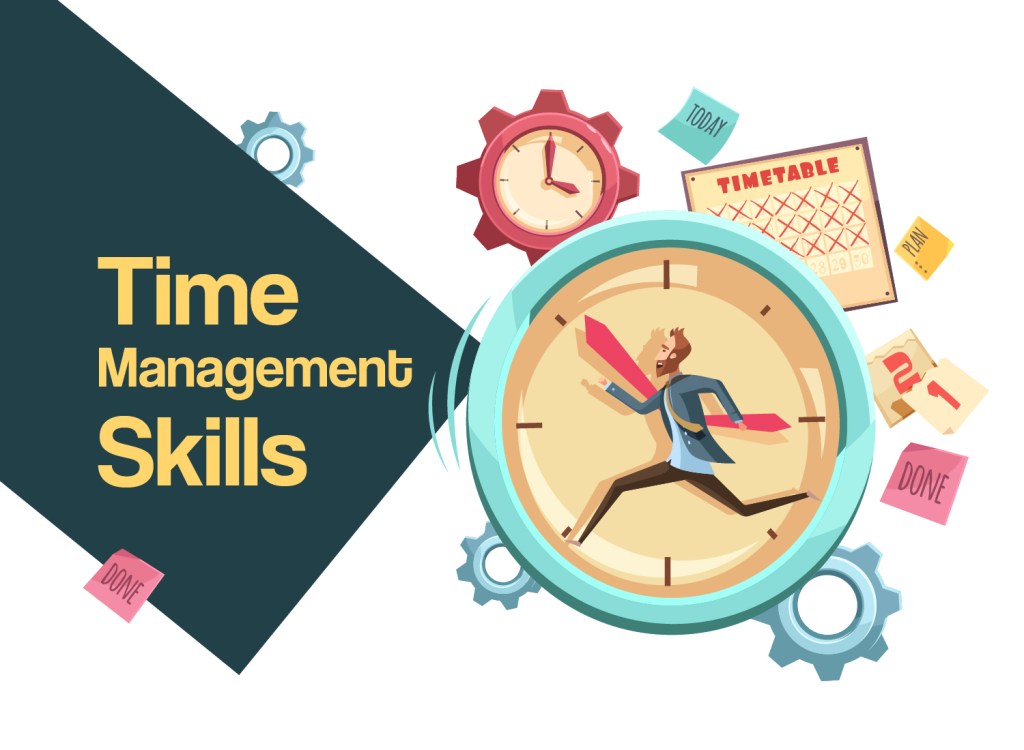
As students, teachers, and parents alike navigate the world of alternative schooling and education, one fundamental skill that often gets overlooked is time management. With flexible schedules, self-paced learning, and a multitude of resources available at our fingertips, it can be easy to fall into the trap of procrastination or feeling overwhelmed. However, by developing effective time management skills, individuals in alternative educational settings can maximize their productivity and achieve their goals.
The first step towards mastering time management is setting clear goals. Whether you’re a student aiming to complete a certain number of assignments each week or a teacher planning lessons for the month ahead, having specific objectives will help guide your efforts. Write down your goals on paper or use digital tools like calendars or task management apps to ensure they are visible and easily accessible.
Once you have set your goals, it’s important to prioritize tasks based on urgency and importance. One helpful technique is using the Eisenhower Matrix which categorizes tasks into four quadrants: urgent and important, important but not urgent, urgent but not important; neither urgent nor important. By focusing on activities that fall under the “urgent and important” quadrant first while delegating or eliminating those in the other categories as much as possible, you’ll be able to make efficient use of your time.
Another key aspect of effective time management is creating a schedule or routine that suits your individual needs. For students attending alternative schools with flexible hours or homeschooling programs where they have more control over their daily schedule, this becomes even more crucial. Start by identifying when you are most productive – whether it’s early morning or late at night – and block off dedicated periods for focused work during these times.
However, scheduling should also include regular breaks to avoid burnout. Research has shown that taking short breaks between study sessions improves focus and retention levels significantly. Experiment with different techniques such as the Pomodoro Technique (working for 25 minutes then taking a 5-minute break) or the 52-17 method (working for 52 minutes and taking a 17-minute break) to find what works best for you.
To further enhance time management skills, it is essential to develop effective organizational strategies. For students, this could mean creating a physical or digital system to keep track of assignments, due dates, and study materials. Teachers may benefit from organizing their lesson plans and resources in folders or utilizing online platforms specifically designed for educational purposes.
In addition to organization, efficient communication plays a vital role in managing time effectively. Students should reach out to their teachers or classmates if they have any questions or need clarification on assignments. Likewise, teachers should establish clear channels of communication with students and parents to ensure everyone is on the same page. By addressing concerns promptly and eliminating misunderstandings early on, valuable time can be saved.
Another technique that can significantly improve time management is practicing self-discipline. It’s important to resist distractions such as social media notifications or unrelated tasks during dedicated work periods. Consider using website blockers or productivity apps that limit access to distracting websites during focused work sessions. Additionally, practice saying “no” when necessary – declining invitations or requests that don’t align with your goals will help you stay focused on what truly matters.
Moreover, embracing flexibility while maintaining structure is crucial in alternative schooling environments where traditional timetables may not exist. Being adaptable allows individuals to make the most of unexpected opportunities while still ensuring there’s sufficient time allocated for essential tasks. However, it’s equally important not to compromise too much structure as having a routine helps maintain consistency and keeps individuals accountable.
Finally, don’t forget about the importance of self-care when considering time management skills. Adequate rest, exercise routines, healthy eating habits, and leisure activities are all integral parts of maintaining overall well-being. Neglecting these aspects can lead to decreased productivity and increased stress levels – ultimately impacting one’s ability to manage time effectively.
In conclusion, time management is an invaluable skill for individuals in alternative schooling and education settings. By setting clear goals, prioritizing tasks, creating a schedule or routine, utilizing effective organizational strategies, practicing efficient communication, maintaining self-discipline, embracing flexibility while maintaining structure, and prioritizing self-care – students and teachers alike can optimize their productivity and maximize their learning experiences. Remember that time management is not about squeezing every minute out of the day but rather about making intentional choices with the time available. With practice and perseverance, mastering this skill will undoubtedly lead to success in any alternative educational journey.
 Alternative Amie
Leave a comment