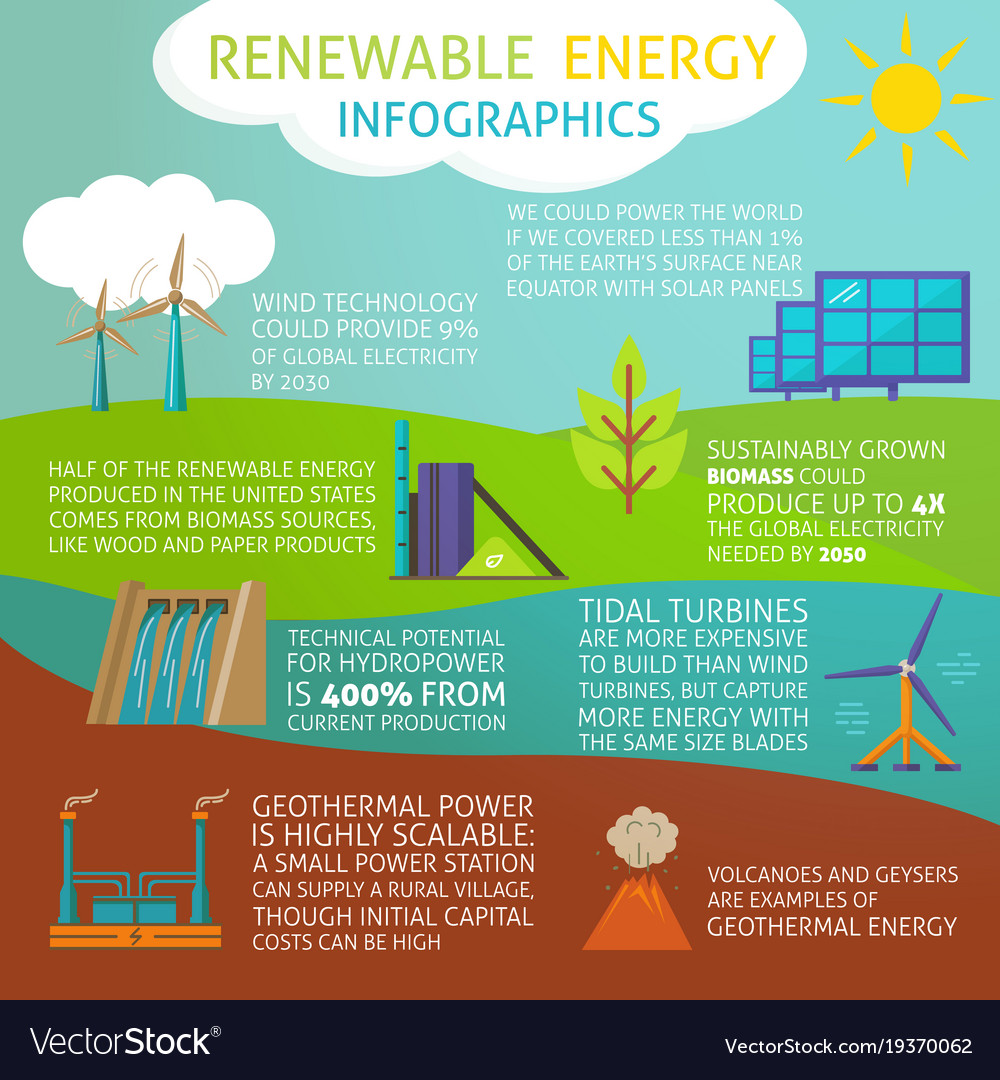
Renewable energy is increasingly becoming a popular and viable solution to combat climate change and reduce our reliance on fossil fuels. As the world acknowledges the urgent need to transition towards cleaner sources of power, alternative schooling and education play a crucial role in educating students about renewable energy. By fostering an understanding of these technologies, we can empower future generations to make informed decisions that will shape a sustainable future for all. Here are ten essential concepts and examples of renewable energy that should be included in any comprehensive curriculum:
1. Solar Power: Solar energy harnesses sunlight through photovoltaic (PV) cells or solar thermal systems to generate electricity or heat water respectively. Students should learn about the technology behind solar panels, installation processes, advantages, and limitations.
2. Wind Power: Wind turbines convert kinetic wind energy into electricity through rotating blades connected to generators. Topics covered could include turbine design, placement considerations, environmental impact assessments, as well as community engagement strategies.
3. Hydropower: Hydropower utilizes flowing or falling water to turn turbines and generate electricity. Students should explore various forms like run-of-river hydropower or dam-based hydroelectricity, along with their implications for ecosystems and local communities.
4. Geothermal Energy: This form of renewable energy taps into Earth’s internal heat by extracting steam or hot water from geothermal reservoirs underground for heating or power generation purposes. Educators can discuss geothermal plant designs and locations where this resource is most abundant.
5. Biomass Energy: Biomass refers to organic materials such as agricultural waste, wood pellets, or dedicated energy crops that can be burned directly for heat generation or converted into biofuels like ethanol/methanol/biodiesel via biochemical processes (fermentation). Students must gain insights into sustainable biomass sourcing practices while understanding its potential benefits alongside associated challenges.
6. Tidal Energy: Tidal power involves capturing the kinetic energy produced by tides using underwater turbines or barrages. Lessons should cover tidal patterns, turbine technologies, and the influence of tidal power on marine ecosystems.
7. Wave Energy: Similar to tidal energy, wave power harnesses kinetic energy from ocean waves using floating devices or submerged structures. Students can explore different wave energy converters, their efficiency rates, and potential environmental implications.
8. Hydrogen Fuel Cells: Hydrogen fuel cells produce electricity by combining hydrogen and oxygen without combustion, emitting only water vapor as a byproduct. Educators should introduce students to fuel cell technology advancements, applications in transportation (e.g., cars) and stationary power production (e.g., back-up generators), and the challenges associated with hydrogen production/storage.
9. Concentrated Solar Power (CSP): CSP systems concentrate sunlight onto a receiver to heat a working fluid that drives a turbine for electricity generation or thermal storage purposes. Topics covered could include parabolic troughs, solar power towers, and dish/engine systems along with their advantages and limitations.
10. Off-Grid Systems: Lastly, students should learn about off-grid renewable energy solutions that provide clean electricity access to remote areas lacking grid infrastructure worldwide. This can involve standalone solar PV systems combined with battery storage or small-scale wind turbines tailored to local conditions.
By incorporating these concepts into alternative schooling curricula, we equip students with knowledge about renewable energy sources while nurturing their passion for sustainability advocacy. Renewable energy education goes beyond theoretical learning; it encourages hands-on experiences such as building solar-powered models or designing wind turbine prototypes in school workshops or science fairs.
In conclusion, embracing renewable energy is crucial for creating a sustainable future for our planet. Alternative schools have an essential role in educating students about various forms of renewable energy through comprehensive curricula that integrate both theoretical knowledge and practical application opportunities. By fostering this understanding early on, we empower young minds to become ambassadors of change who will drive the transition towards cleaner sources of power in the years to come.
 Alternative Amie
Leave a comment