Classical Education: Unveiling the Timeless Approach to Learning
Education plays a critical role in shaping young minds, preparing them for the challenges and opportunities of the future. While there are various educational approaches available, one that has stood the test of time is classical education. Rooted in ancient wisdom and timeless principles, classical education offers a comprehensive and holistic framework that nurtures intellectual curiosity, fosters critical thinking skills, and cultivates a love for lifelong learning.
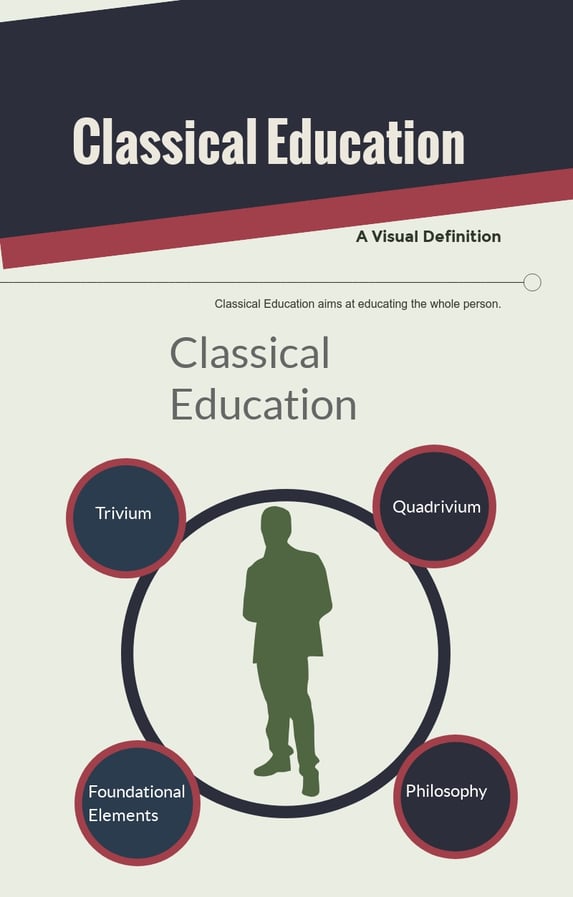
What exactly is classical education? At its core, it emphasizes the importance of teaching students how to think rather than what to think. It seeks to develop well-rounded individuals who possess not only knowledge but also virtue and character. By engaging with enduring ideas from history’s greatest thinkers, students are equipped with the tools necessary to navigate an ever-changing world.
The three stages of Classical Education:
1. The Grammar Stage:
In this stage, typically spanning kindergarten through fourth or fifth grade, children learn foundational facts and skills across various subjects such as language arts, mathematics, science, history, and foreign languages. They memorize poems and songs while acquiring basic grammar rules. This stage provides a solid groundwork upon which subsequent learning is built.
2. The Logic Stage:
During middle school years (approximately grades 6-8), students enter the logic stage where they begin developing reasoning abilities. They learn formal logic – how to analyze arguments critically – enabling them to evaluate information independently and discern truth from fallacy. This phase encourages deeper exploration into subjects like algebraic reasoning, scientific inquiry methods, historical analysis techniques alongside continued exposure to literature.
3. The Rhetoric Stage:
The final leg of classical education occurs during high school (grades 9-12) when students harness their accumulated knowledge by refining their communication skills—both written and oral—through persuasive writing projects or speeches called “declamations.” By studying masterpieces in literature like Shakespearean plays or philosophical treatises, students delve into complex ideas and learn to articulate their thoughts with eloquence.
The Benefits of Classical Education:
1. Intellectual Development:
Classical education fosters critical thinking and analytical skills from an early age. By immersing students in the great works of literature, philosophy, and science, they are exposed to diverse perspectives and challenged to engage in thoughtful dialogue. This approach nurtures intellectual curiosity and hones problem-solving abilities essential for success in any field.
2. Cultural Literacy:
Through studying ancient civilizations, major historical events, classical languages like Latin or Greek, and seminal literary works like Homer’s “Odyssey” or Plato’s dialogues, classical education equips students with a deep understanding of human civilization’s foundations. This awareness of cultural heritage helps individuals appreciate diverse viewpoints while fostering empathy towards others.
3. Character Formation:
Classical education transcends mere academics by prioritizing character development alongside knowledge acquisition. Students are encouraged to embrace virtues such as honesty, integrity, humility, perseverance, and self-discipline through exposure to moral exemplars found within classic texts. The aim is not just to produce well-educated graduates but also virtuous citizens who contribute positively to society.
4. Lifelong Love for Learning:
By introducing students to the wonders of literature, art, music, mathematics, science,and more through engaging narratives rather than dry facts alone,classical education instills a genuine love for learning that extends beyond graduation day.The joy of discovery becomes ingrained in their hearts,motivating themto continue exploring new subjects throughout their lives.
Implementing Classical Education:
While classical education can be implemented formally within specialized schools known as “classical schools,” its principles can also be incorporated into homeschooling curricula or traditional educational institutions seeking alternative approaches.Incorporating elements such as Socratic discussions,literature-based learning,and emphasis on primary sources can help create a more holistic educational experience regardless of the setting.
In conclusion,classical education offers a timeless and comprehensive approach to learning that equips students with not only knowledge but also essential skills, virtues,and a lifelong love for learning. By engaging with the wisdom of centuries past,classical education prepares individuals to navigate an ever-evolving world, fostering critical thinking,intellectual curiosity, and character formation. Whether implemented within specialized schools or adapted in other educational settings,this enduring approach continues to shape young minds for success in all aspects of life.
 Alternative Amie
Leave a comment