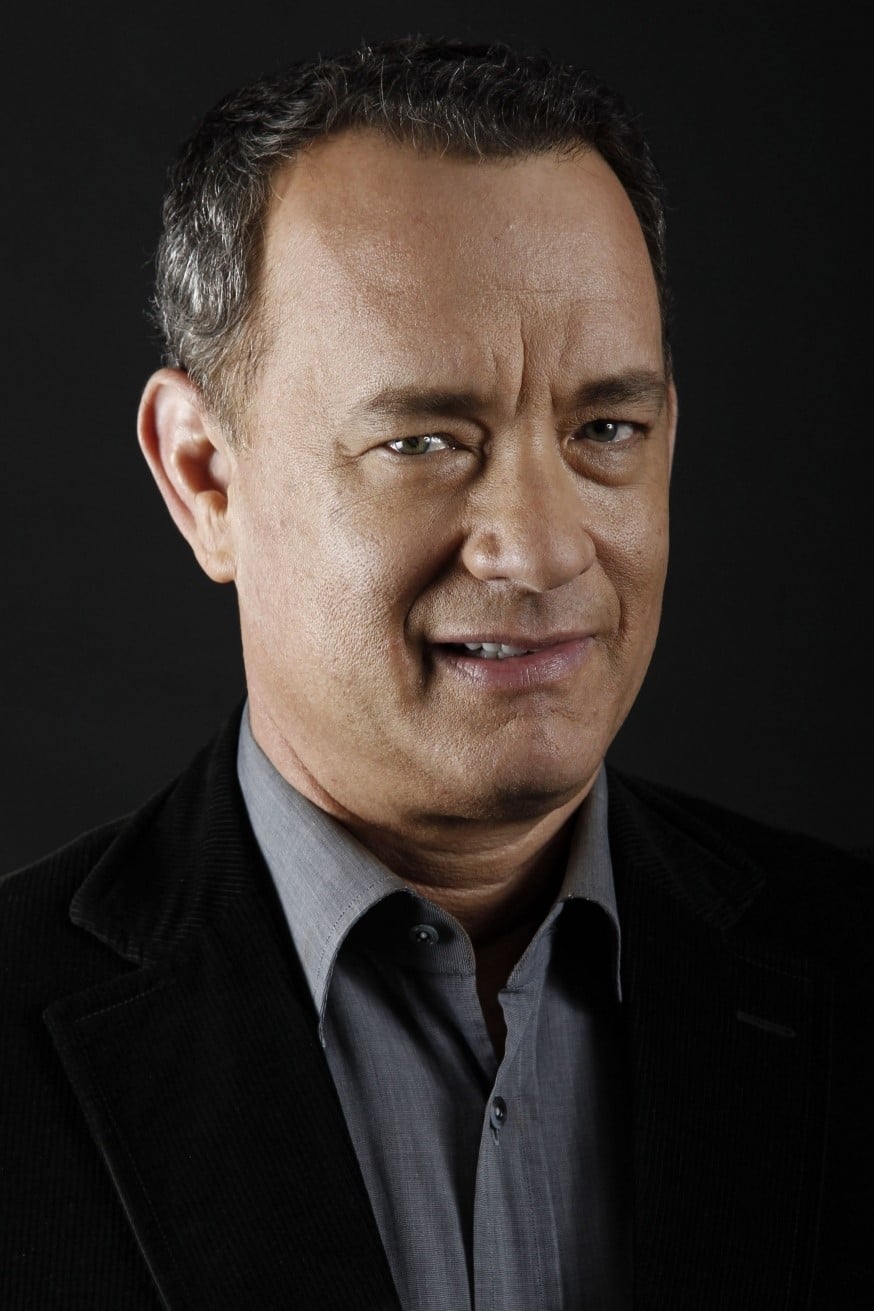
Tom Hanks: A Remarkable Journey in Alternative Education
Introduction:
When it comes to education, the traditional schooling system is often considered the norm. However, alternative forms of education have gained significant attention and recognition over the years. These unconventional methods prioritize personalized learning experiences tailored to individual strengths and interests. In this article, we will explore how Academy Award-winning actor Tom Hanks embraced alternative education approaches during his formative years and how they shaped him into the remarkable individual he is today.
Early Life:
Thomas Jeffrey Hanks was born on July 9, 1956, in Concord, California. From a young age, it became apparent that Hanks possessed an innate curiosity and creativity that set him apart from his peers. As a child growing up in a lower-middle-class family, he attended public schools in California but struggled academically due to undiagnosed dyslexia.
Finding Alternatives:
Recognizing his son’s challenges with traditional schooling methods, Tom’s father sought out alternative educational opportunities for him. This led to young Tom enrolling at Skyline High School in Oakland – one of the first public high schools in America to experiment with an innovative teaching model known as “Schools Without Walls.”
Schools Without Walls:
The Schools Without Walls program aimed to provide students with real-world experiences outside the confines of a classroom while incorporating various subjects into practical applications. It offered students freedom of choice by allowing them to design their curriculum based on their passions and interests.
For Hanks, this approach proved transformative. He delved deeply into drama classes and theater productions both within school walls and through partnerships with local community theaters. Through these experiences, he honed his acting skills while also developing essential life skills such as teamwork, communication, adaptability, and problem-solving.
In retrospect, Hanks has often credited Schools Without Walls for providing him with invaluable lessons about collaboration and self-expression – qualities that would later define his successful acting career.
Community College and Beyond:
After graduating from high school, Hanks took a non-traditional path by enrolling at Chabot Community College in Hayward, California. Here, he continued to explore his love for theater while taking general education courses. The flexibility of community college allowed him to work part-time jobs to support himself financially while pursuing his passion for acting.
During this time, Hanks joined the Great Lakes Shakespeare Festival in Ohio as an intern. This marked a crucial turning point in his life – the moment when he made the decision to fully commit himself to acting as a profession.
The Power of Apprenticeships:
Rather than pursuing a traditional four-year degree program, Hanks realized that hands-on experience and practical learning would be more valuable for him. He immersed himself in theater apprenticeships and workshops across America, including one at the prestigious American Conservatory Theater (ACT) in San Francisco.
Hanks believed that these immersive experiences enabled him to learn directly from industry professionals and significantly contributed to his growth as an actor. Through apprenticeships, he developed technical skills such as stagecraft and gained insights into the inner workings of professional theater productions.
Alternative Approaches Pay Off:
Tom Hanks’ unconventional educational journey paid off when he landed the role of Kip Wilson on ABC’s hit sitcom “Bosom Buddies” in 1980. Although initially considered a comedic actor due to this early success, Hanks yearned for more challenging roles that would showcase his depth and versatility.
It was not until 1988 that Hanks had his breakthrough dramatic performance with “Big,” directed by Penny Marshall. His portrayal of Josh Baskin – a young boy trapped within an adult body – earned him critical acclaim and established him as both talented and commercially viable.
From thereon out, Tom Hanks embarked on a remarkable acting career that has spanned over four decades with iconic movies like “Forrest Gump,” “Apollo 13,” and “Cast Away.” He has won numerous awards, including two consecutive Academy Awards for Best Actor in a Leading Role for his performances in “Philadelphia” (1993) and “Forrest Gump” (1994).
Conclusion:
Tom Hanks’ journey through alternative education exemplifies the power of personalized learning experiences. By embracing unconventional approaches that nurtured his passion for acting, he honed his skills, developed essential life qualities, and ultimately became one of the most celebrated actors in Hollywood.
Hanks’ story serves as an inspiration to individuals who may feel constrained by traditional educational systems. It underscores the importance of recognizing diverse learning styles and providing opportunities for students to explore their passions beyond textbooks and classrooms.
As we continue to evolve our understanding of education, it is crucial to acknowledge that alternative methods can unlock tremendous potential within students. Tom Hanks stands as a shining example of how non-traditional paths can lead individuals to extraordinary achievements – not only in their chosen fields but also in personal growth and development.
 Alternative Amie
Leave a comment