Project-Based Learning: A Transformative Approach to Education
Education is constantly evolving, with educators seeking new and innovative ways to engage students and prepare them for the challenges of the real world. One approach that has gained popularity in recent years is project-based learning (PBL). Unlike traditional classroom methods that focus on memorization and regurgitation of information, PBL emphasizes hands-on experiences, critical thinking skills, collaboration, and problem-solving.
At its core, PBL involves students working on a project or task over an extended period of time. This project could be anything from creating a business plan to designing a sustainable community garden. The key is that it should be relevant and meaningful to the students’ lives. By focusing on real-world problems or scenarios, PBL helps bridge the gap between classroom learning and practical application.
One of the major benefits of PBL is its ability to foster deeper understanding and retention of knowledge. When students are actively involved in their own learning through projects, they are more likely to retain what they have learned long-term. This approach allows them to connect concepts across different subject areas and see how they apply in real-life situations.
Furthermore, PBL promotes critical thinking skills by encouraging students to analyze information critically rather than simply memorizing facts. Through open-ended questions and complex problem-solving tasks, students learn how to think creatively and develop innovative solutions. This not only prepares them for future careers but also equips them with essential life skills such as adaptability, resilience, collaboration, and effective communication.
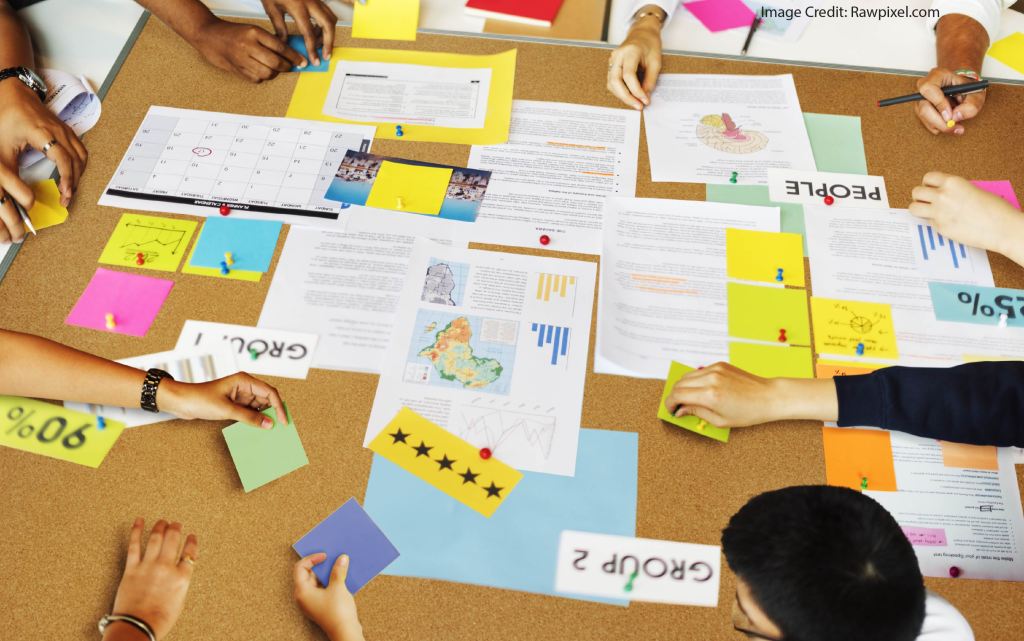
Another advantage of PBL is its ability to promote collaboration among students. In today’s interconnected world, teamwork is essential for success in any field. By working together on projects, students learn how to communicate effectively with their peers, resolve conflicts amicably, delegate tasks based on individual strengths, listen actively to others’ perspectives while expressing their own ideas clearly.
Moreover,PBL addresses one common criticism leveled at traditional education – the lack of real-world application. By engaging in authentic projects, students have the opportunity to apply their knowledge and skills in practical ways. This not only makes learning more meaningful but also helps students develop a sense of agency and ownership over their education.
In conclusion, project-based learning offers a transformative approach to education that goes beyond traditional methods. By emphasizing hands-on experiences, critical thinking skills, collaboration, and problem-solving, PBL prepares students for the challenges they will face in the real world. It fosters deeper understanding and retention of knowledge while promoting essential life skills such as adaptability and effective communication. As educators continue to seek innovative ways to engage students, project-based learning remains a powerful tool for creating lifelong learners who are ready to make a positive impact on society.
 Alternative Amie
Leave a comment