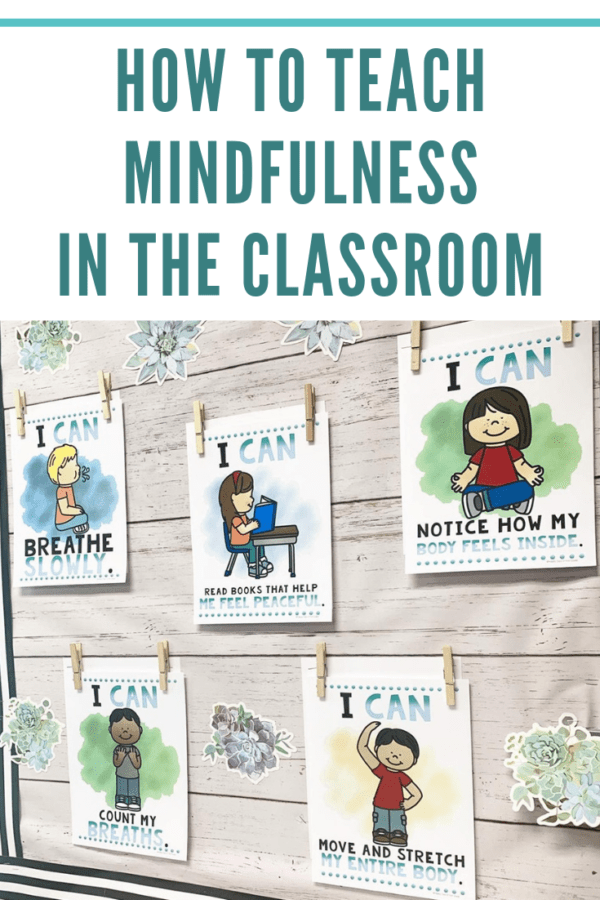
In today’s fast-paced and technology-driven world, it is becoming increasingly important to teach children skills that can help them navigate through life with ease. One such skill that has gained popularity in recent years is mindfulness. While often associated with meditation and yoga, mindfulness is much more than just a relaxation technique. It is a way of being present in the moment, paying attention to one’s thoughts and feelings without judgment. Incorporating mindfulness practices into the classroom can have a profound impact on students’ well-being and academic performance.
One of the key benefits of practicing mindfulness in the classroom is its ability to reduce stress and anxiety among students. With academic pressures increasing at an alarming rate, many students find themselves overwhelmed by expectations and deadlines. By teaching them how to be mindful, educators provide them with tools to manage their stress levels effectively. Mindfulness helps students develop self-awareness and emotional regulation, allowing them to approach challenges with calmness and resilience.
Another advantage of incorporating mindfulness into the classroom is its positive impact on students’ focus and attention span. In an age where distractions are abundant, cultivating concentration skills has become crucial for academic success. Regular practice of mindfulness exercises trains the mind to stay focused on the present moment rather than getting lost in wandering thoughts or external stimuli. As a result, students become better equipped at staying engaged during class lectures or while completing assignments.
Moreover, practicing mindfulness encourages empathy and compassion among students by fostering a sense of connectedness with others. When individuals are mindful, they tend to be more attentive listeners and empathetic towards their peers’ experiences. This not only creates a harmonious classroom environment but also enhances social interactions between classmates.
Furthermore, research suggests that incorporating mindfulness practices can improve memory retention and cognitive abilities among students. The act of being fully present enables individuals to absorb information more efficiently as they engage all their senses in learning processes actively. Additionally, regular practice of mindful breathing exercises has been shown to increase blood flow to the prefrontal cortex, which is responsible for higher-order cognitive functions such as attention, decision-making, and problem-solving.
Incorporating mindfulness into the classroom does not require a complete overhaul of the curriculum. It can be seamlessly integrated into daily routines or incorporated into specific subjects. For example, educators can start each class with a brief mindfulness exercise to help students transition from one task to another and set a positive tone for learning. Teachers can also incorporate mindful listening exercises during discussions or encourage students to practice mindfulness while completing assignments or taking exams.
In conclusion, incorporating mindfulness practices in the classroom has numerous benefits for both students’ well-being and academic performance. By teaching children how to be present in the moment and pay attention without judgment, educators equip them with essential life skills that will serve them well beyond their school years. Mindfulness cultivates self-awareness, reduces stress levels, improves focus and memory retention, promotes empathy and compassion, and enhances overall cognitive abilities. As we strive to provide our children with holistic education that prepares them for success in all aspects of life, embracing mindfulness in the classroom becomes an invaluable tool.
 Alternative Amie
Leave a comment