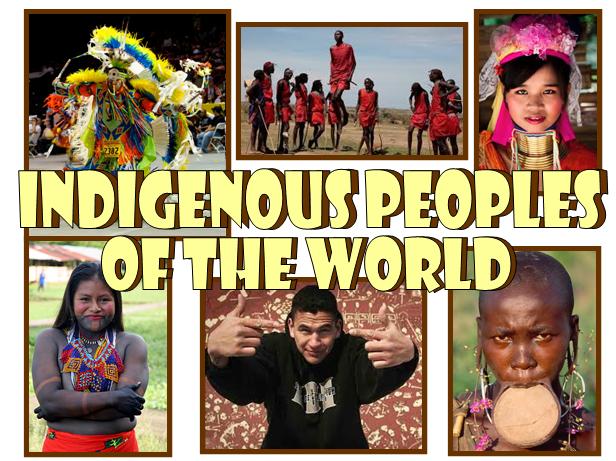
Introducing Indigenous Cultures and Traditions: A Unit Study Like No Other
In the world of alternative schooling and education, there is a growing awareness of the importance of embracing diverse cultures and traditions. One area that often gets overlooked, however, is the rich tapestry of indigenous cultures from around the globe. These communities have unique histories, values, customs, and ways of life that can offer invaluable lessons to students.
To address this gap in knowledge and understanding, educators are now integrating Indigenous Cultures and Traditions unit studies into their curriculum. These holistic programs provide students with an immersive experience where they can explore the diverse worldviews, practices, art forms, storytelling techniques, spiritual beliefs, sustainable living methods, and much more.
Why Indigenous Cultures?
Indigenous cultures hold a wealth of wisdom passed down through generations. By studying these societies’ traditional knowledge systems and practices in depth during unit studies or projects such as building igloos or crafting dreamcatchers – students gain not only historical insights but also valuable perspectives on environmental sustainability.
These unit studies help debunk common misconceptions surrounding indigenous communities while fostering empathy towards their struggles for self-determination. Students learn about issues such as land rights controversies faced by many tribes worldwide or cultural appropriation concerns when non-indigenous individuals adopt elements like headdresses without understanding their significance.
By exploring indigenous cultures within classrooms or homeschooling settings – students become more aware of cultural diversity’s value while developing cross-cultural competencies essential for our increasingly interconnected world.
Designing an Effective Indigenous Cultures Unit Study
Creating a comprehensive unit study requires careful planning to ensure meaningful engagement with indigenous cultures’ breadth and depth. Here are some key components to consider:
1. Research-Based Approach: Begin by conducting thorough research on various indigenous communities worldwide to select those best suited for your region’s context or aligning with your class’s interests. This approach ensures accurate representation while allowing educators to tailor materials accordingly.
2. Engage with Local Indigenous Communities: Whenever possible, involve local indigenous community members as guest speakers, cultural advisors, or collaborators. Their firsthand experiences and stories provide invaluable insights that cannot be found in textbooks alone.
3. Multidisciplinary Approach: Incorporate multiple subjects into the unit study to create a well-rounded educational experience. For example, history lessons can explore indigenous civilizations’ rise and fall, while language arts sessions can focus on storytelling traditions or mythological tales.
4. Experiential Learning: Encourage hands-on activities like traditional art forms (e.g., pottery making), culinary experiences (e.g., cooking traditional dishes), or nature walks to learn about sustainable practices embedded in many indigenous cultures.
5. Respectful Engagement: Emphasize the importance of approaching indigenous cultures with respect and sensitivity. Teach students about appropriate terminology, ethical research practices, and how to differentiate between appreciation and appropriation.
6. Critical Thinking Skills: Foster critical thinking by encouraging students to reflect on the impact of colonization on indigenous communities and consider ways they can contribute positively towards social justice efforts today.
Sample Unit Study Topics
To give you a glimpse of what an Indigenous Cultures unit study may look like, here are a few sample topics that could be explored:
1. Dreamtime Stories of Australia’s Aboriginal Peoples
2. Inuit Culture: Surviving in Arctic Environments
3. Mayan Civilization: Astronomical Knowledge and Mathematical Systems
4. Native American Nations’ Sustainable Agriculture Techniques
5. Maori Art Forms: Carvings, Tattoos, and Weaving Traditions
Remember that these are just starting points; educators should adapt their unit studies according to their students’ ages, interests, available resources, and local context.
Conclusion
Integrating Indigenous Cultures and Traditions unit studies into alternative schooling curricula not only enriches students’ understanding of different worldviews but also promotes cultural diversity appreciation while fostering empathy towards indigenous communities. By engaging with these ancient cultures, students gain valuable insights into sustainable living practices, traditional knowledge systems, and the challenges faced by indigenous peoples today.
By designing well-researched and respectful unit studies that incorporate multidisciplinary approaches and experiential learning opportunities, educators can create transformative educational experiences for their students. Let us embrace the wisdom of indigenous cultures, weaving it into the fabric of alternative education to nurture compassionate global citizens who value cultural diversity and work towards a more inclusive world.
 Alternative Amie
Leave a comment