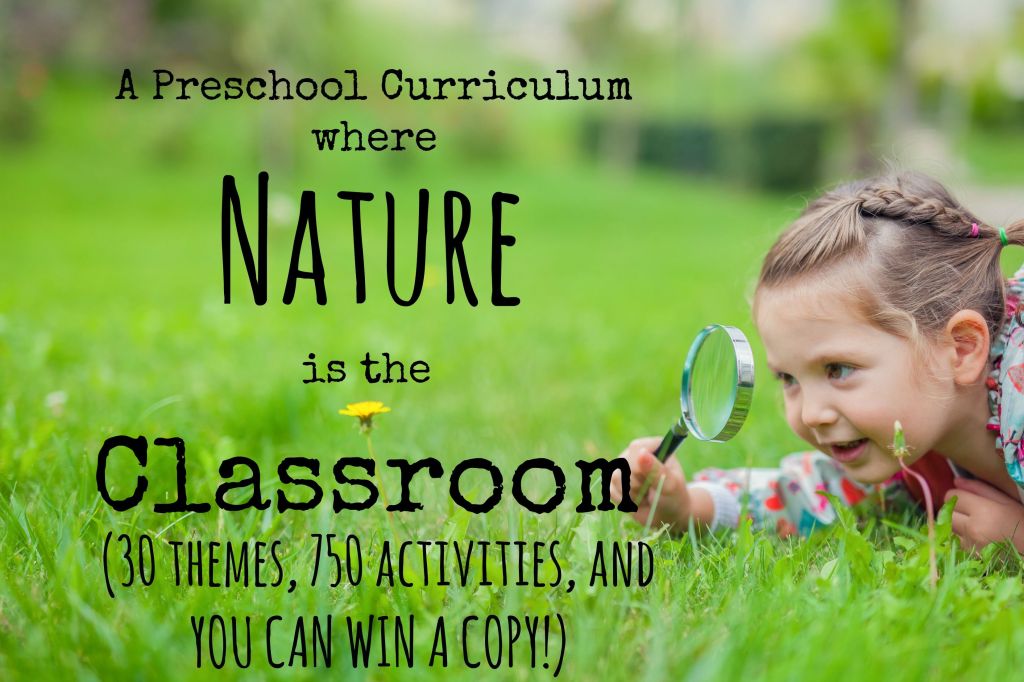
Natural learning environments have gained significant attention in recent years as a unique and effective approach to education. These environments prioritize hands-on experiences, outdoor exploration, and self-directed learning. By immersing students in nature and allowing them to learn at their own pace, natural learning environments offer a refreshing alternative to traditional classroom settings.
One of the key benefits of natural learning environments is that they provide ample opportunities for children to connect with the natural world. Spending time outdoors has been shown to have numerous positive effects on physical and mental health, including reduced stress levels and increased creativity. In these settings, students can explore forests, gardens, or even nearby parks while engaging in various activities related to science, art, or physical education.
Moreover, natural learning environments foster a sense of curiosity and wonder among students. Instead of passively receiving information from textbooks or lectures, children are encouraged to ask questions and seek answers through firsthand experiences. This active engagement helps develop critical thinking skills as well as a deeper understanding of the subject matter.
Another advantage of natural learning environments is that they promote collaboration and teamwork. Children are given the freedom to choose their projects or areas of interest which often leads them to work together on shared goals or tasks. Whether building structures using branches or conducting experiments in small groups, students learn how to communicate effectively and cooperate with others – skills essential for success later in life.
In addition to academic growth, natural learning environments nurture emotional development by fostering independence and self-confidence. Students are encouraged to take responsibility for their own learning journey by setting goals and determining their own paths towards achieving them. This autonomy allows children the chance to make decisions based on personal interests while also developing problem-solving skills along the way.
Furthermore, these non-traditional educational settings offer an inclusive environment where each child’s unique abilities are valued. Natural learning encourages diversity by accommodating different styles of learning – auditory learners may prefer listening intently during bird-watching sessions while kinesthetic learners can engage in hands-on activities like gardening or building. This flexibility helps ensure that every student has the opportunity to thrive and succeed.
Natural learning environments also emphasize sustainable practices and environmental stewardship. Through firsthand experiences, children develop a deep appreciation for nature and gain an understanding of the importance of preserving it for future generations. They learn about recycling, composting, conserving energy, and caring for plants and animals in their immediate surroundings.
Lastly, natural learning environments promote a healthy work-life balance by allowing ample time for play and relaxation. Children have the freedom to engage in unstructured outdoor play which aids in physical development while also providing opportunities for socialization and creativity.
In conclusion, natural learning environments provide a holistic approach to education that focuses on both academic growth and personal development. By integrating nature into the learning process, these settings offer unique benefits such as increased curiosity, collaboration skills, independence, inclusivity, sustainability awareness, and a balanced lifestyle. As more parents seek alternatives to traditional schooling methods, natural learning environments present an exciting option worth considering for their child’s educational journey.
 Alternative Amie
Leave a comment