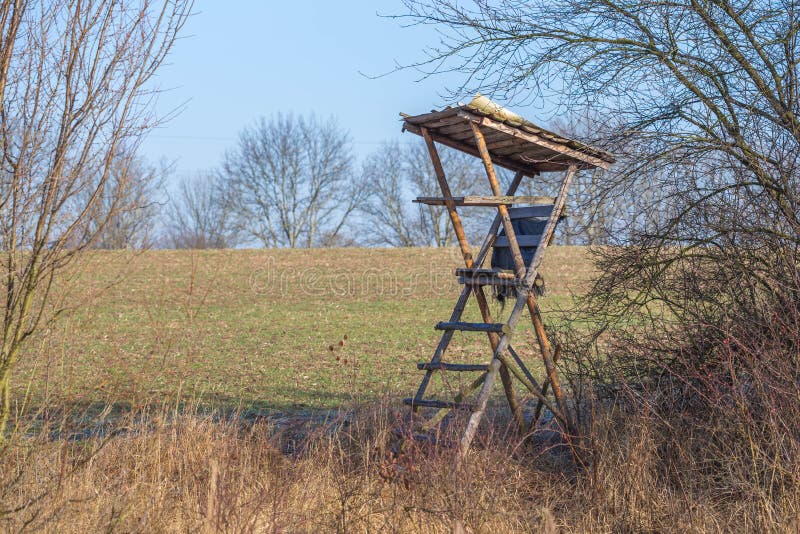
Observing wildlife can be a fascinating and educational experience for children and adults alike. It allows us to connect with nature, learn about different species, and appreciate the wonders of the natural world. Whether you live in an urban area or near a national park, there are plenty of opportunities for wildlife observation. In this article, we will explore some tips and ideas for incorporating wildlife observation into alternative schooling and education.
1. Choose the Right Location:
The first step in wildlife observation is finding the right location. While national parks and nature reserves are ideal places to observe a wide variety of animals, they may not always be accessible to everyone. However, even urban areas offer opportunities for observing wildlife. Local parks, botanical gardens, or even your own backyard can serve as great starting points.
2. Research Local Wildlife:
Before heading out to observe wildlife, it’s helpful to do some research about the local fauna in your area. Identify common birds, mammals, insects, reptiles or amphibians that you might encounter during your outing. This knowledge will enhance both your excitement and understanding when you come across these creatures in their natural habitats.
3. Bring Essential Gear:
To make the most of your wildlife observation experience, it’s important to bring along essential gear such as binoculars or a camera with zoom capabilities (if available). These tools allow you to get a closer look at distant animals without disturbing them.
4. Practice Patience:
Wildlife observation requires patience since many animals are shy by nature and might take time before revealing themselves. Find a comfortable spot where you have a good view of potential animal activity—be it near water sources like ponds or rivers or close to trees that attract birds—and wait quietly while keeping noise levels down.
5. Document Your Observations:
Encourage children to keep journals documenting their observations during each outing: what they saw, where they saw it – including any specific features that caught their attention – behaviors they observed, and any questions or curiosities that arise. This exercise not only helps develop observation skills but also fosters critical thinking and encourages further research.
6. Learn About Animal Habitats:
As you embark on your wildlife observation journey, take the time to learn about different animal habitats. Understanding the specific needs of various species will give you a better chance of spotting them in their natural environments. For example, birds often build nests in trees or shrubs, while amphibians can be found near water bodies.
7. Adopt Responsible Wildlife Viewing Practices:
It’s crucial to adopt responsible wildlife viewing practices to ensure the safety and well-being of both animals and humans. Avoid feeding wild animals as it disrupts their natural behavior and diet. Keep a safe distance from wildlife to avoid causing stress or harm—binoculars are handy for this purpose! Additionally, make sure to respect protected areas and follow any guidelines provided by park authorities.
8. Join Guided Tours or Nature Walks:
If you would like some expert guidance during your wildlife observations, consider joining guided tours or nature walks led by experienced naturalists or park rangers. These professionals can provide valuable insights into local ecosystems, point out hidden treasures that may go unnoticed otherwise, and answer any questions you might have along the way.
9. Integrate Wildlife Observation with Other Subjects:
One of the benefits of alternative schooling is the ability to integrate different subjects seamlessly into everyday learning experiences. Use wildlife observation as an opportunity to explore biology by studying animal anatomy, behavior patterns, food chains/webs; practice math skills through estimating population sizes; study geography by mapping locations where certain species are commonly found; or even delve into art by sketching animals in their natural habitats.
10. Share Your Knowledge:
Encourage children to share what they’ve learned with others—an important aspect of alternative education is fostering a sense of community engagement and sharing knowledge beyond just personal gain—and help them create presentations, posters, or even short videos showcasing their observations. Hosting a family or community event where these projects can be displayed will not only boost confidence but also inspire others to take an interest in wildlife observation.
Incorporating wildlife observation into alternative schooling and education offers a unique opportunity for hands-on learning, fostering environmental awareness, and cultivating a deep appreciation for the natural world. As children observe animals in their habitats, they develop crucial scientific skills such as observation, data collection, critical thinking while also nurturing empathy towards living beings that share our planet. So grab your binoculars, head outdoors, and embark on an exciting journey of discovery through the wonders of wildlife observation!
 Alternative Amie
Leave a comment