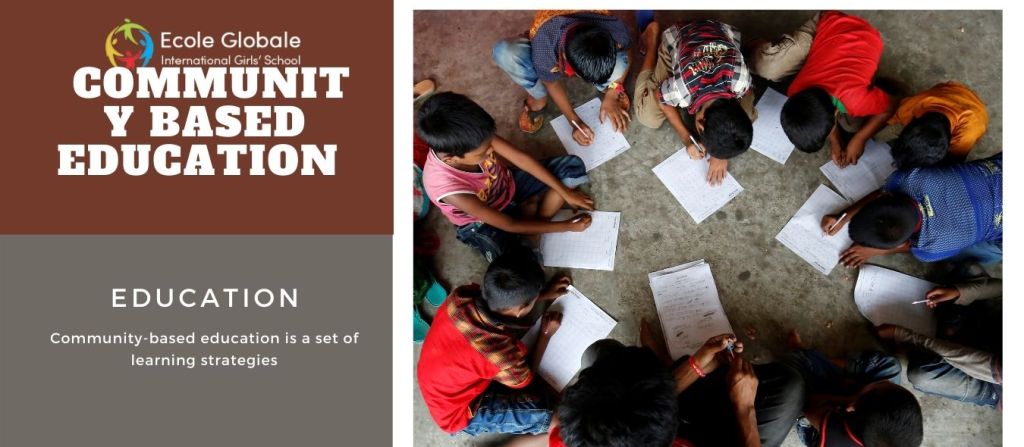
Community-Based Learning Environments: Fostering Growth and Empowering Students
In an era where traditional education systems often fall short in meeting the diverse needs of students, community-based learning environments have emerged as a powerful alternative. These unique educational settings prioritize collaboration, hands-on experiences, and real-world connections to create a transformative learning experience for students.
At the core of community-based learning environments is the belief that education should not be confined within four walls. Instead, it should extend beyond the classroom and engage with the local community. By integrating academic content with practical applications, these environments offer students a chance to explore their interests, develop essential life skills, and make meaningful contributions to society.
One of the key advantages of community-based learning environments lies in their ability to personalize education. Unlike traditional schools that often follow a one-size-fits-all approach, these settings allow for individualized instruction tailored to each student’s strengths and interests. This personalized approach fosters intrinsic motivation by tapping into students’ passions and providing them with agency over their own learning journeys.
Moreover, community-based learning environments emphasize collaboration rather than competition. Students are encouraged to work together on projects that address real-world problems or meet local needs. This collaborative spirit cultivates empathy, communication skills, and teamwork abilities – qualities that are essential for success both inside and outside the classroom.
In addition to fostering personal growth at an individual level, these environments also nurture a sense of belonging within the larger community. By actively engaging with local organizations or businesses through service-learning initiatives or internships, students gain valuable insights into various professional fields while simultaneously giving back to their communities.
Furthermore, community-based learning environments provide ample opportunities for experiential learning – an approach known for its effectiveness in solidifying knowledge retention. Whether it’s through field trips related to specific subjects or immersive projects that require active problem-solving skills, hands-on experiences allow students to apply theoretical concepts in practical ways while building critical thinking skills.
Community-based learning environments also prioritize the holistic development of students. Recognizing that education goes beyond academics, these settings offer a wide array of extracurricular activities and resources to nurture physical, emotional, and social well-being. This comprehensive approach ensures that students receive a balanced education that addresses their multifaceted needs.
Another significant advantage of community-based learning environments is their ability to bridge the gap between school and the real world. By providing opportunities for internships or apprenticeships with local professionals, students gain valuable insights into various careers while developing essential workplace skills such as problem-solving, adaptability, and effective communication.
Furthermore, these learning environments empower students by giving them a voice in decision-making processes. Students are encouraged to actively participate in shaping both their own educational experiences and the overall functioning of the community-based setting. This involvement instills a sense of responsibility and ownership over one’s learning journey while cultivating leadership skills.
Moreover, community-based learning environments place great emphasis on fostering cultural diversity and inclusivity. By encouraging open dialogue about different perspectives and celebrating individual differences within the community, these settings create an environment where all students feel valued and respected. This commitment to diversity prepares students for a globalized world where intercultural understanding is crucial.
In conclusion, community-based learning environments offer an inspiring alternative to traditional schooling approaches by creating immersive educational experiences deeply rooted in collaboration, personalization, experiential learning, holistic development, empowerment, and inclusivity. These innovative settings prepare students not only for academic success but also for lifelong learning as engaged citizens who can make meaningful contributions to their communities. As we continue exploring diverse avenues in education reformations worldwide today – let us embrace the power of community-driven approaches that foster growth and empower our future generations.
 Alternative Amie
Leave a comment