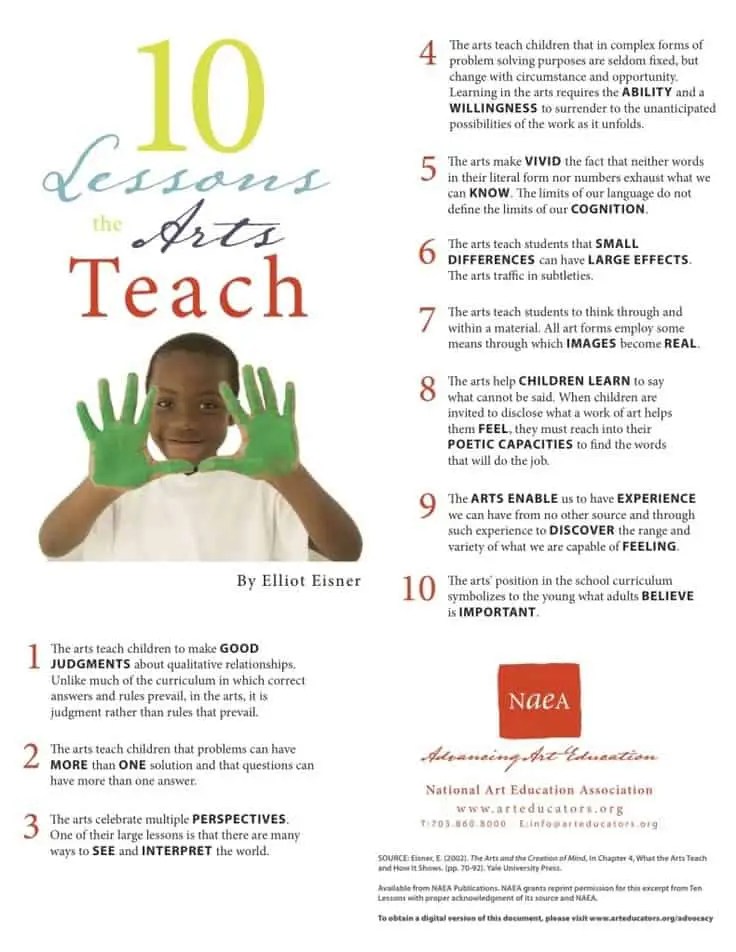
Art is a powerful medium for self-expression and creativity, making it an essential part of education. Artist study is a unique approach to teaching art that focuses on introducing students to the works and lives of renowned artists. By studying various artists and their techniques, students gain insight into different styles, perspectives, and historical contexts. This article will delve into the benefits of artist study in alternative schooling and education.
One of the primary advantages of artist study is its ability to foster critical thinking skills in students. By examining different artists’ works, students learn how to analyze artistic choices, interpret meaning, and make connections between art and society. This encourages them to think critically about visual culture while developing their own opinions.
Moreover, artist study helps students develop cultural awareness by exposing them to diverse artistic traditions from around the world. Students become familiar with artworks from various time periods and regions while gaining an understanding of different cultural values and perspectives.
Another benefit of artist study is its contribution to interdisciplinary learning. Art has deep connections with other subjects such as history, literature, science, and mathematics. Through studying artists like Leonardo da Vinci or Salvador Dalí, for example, students can explore connections between art and science or art and literature. This interdisciplinary approach enriches their overall educational experience by fostering cross-curricular learning.
Artist study also promotes creativity among students by inspiring them with innovative ideas and techniques used by renowned artists throughout history. As they learn about different artistic styles such as Impressionism or Cubism through studying Monet or Picasso respectively; they are encouraged to experiment with these styles in their own artwork.
Furthermore, artist study nurtures empathy in students by allowing them to connect emotionally with the experiences portrayed in artworks created by diverse artists across time periods. For instance; viewing Frida Kahlo’s self-portraits may evoke sympathy for her physical pain while admiring Vincent van Gogh’s Starry Night might evoke awe at his emotional intensity despite his mental struggles. These emotional connections help students develop empathy and a deeper understanding of the human condition.
In addition to fostering creativity and empathy, artist study also enhances students’ visual literacy skills. By studying various artists and their techniques, students learn how to analyze visual elements such as color, composition, texture, and perspective. This deepens their ability to interpret and appreciate art while improving their own artistic skills.
Moreover, artist study encourages self-expression by providing students with diverse artistic role models. When students see that artists like Georgia O’Keeffe or Jackson Pollock express themselves through unique styles, it empowers them to embrace their individuality and experiment with different forms of self-expression in their own artwork.
Artist study also supports historical understanding by placing artworks within specific time periods and cultural contexts. Students learn about major art movements like Renaissance or Abstract Expressionism; gaining insights into the social, political, and economic factors that shaped these movements. This historical context enables students to make connections between art and broader historical events while developing a well-rounded understanding of world history.
Furthermore, artist study fosters an appreciation for aesthetics among students. By exposing them to a wide range of artistic styles from classical realism to abstract expressionism; they develop an eye for beauty in its various forms. This aesthetic sensibility extends beyond art into other aspects of life; enabling students to recognize and appreciate beauty in nature, architecture, design, etc.
Lastly, artist study helps build confidence in students by showcasing artistic journeys of famous artists who faced challenges but eventually achieved recognition for their work. Learning about renowned artists’ struggles with rejection or criticism can inspire perseverance among young learners as they face obstacles in pursuing their own creative aspirations.
In conclusion; artist study is a valuable educational approach that offers numerous benefits for alternative schooling systems. It promotes critical thinking skills, cultural awareness, interdisciplinary learning opportunities; nurtures creativity and empathy while enhancing visual literacy; supports historical understanding; fosters self-expression; develops an appreciation for aesthetics; and builds confidence among students. By studying the works and lives of renowned artists, students gain a deeper understanding of art’s role in society while developing their own artistic skills and perspectives.
 Alternative Amie
Leave a comment