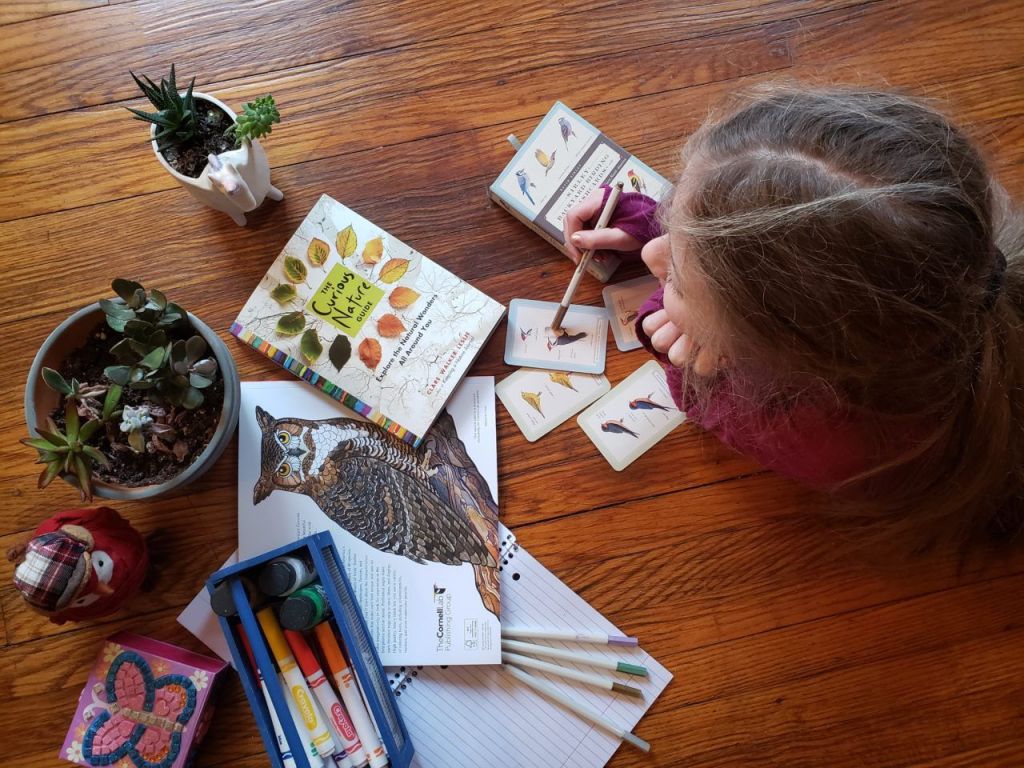
Science Experiments and Nature Walks: A Fun Approach to Learning
Are you tired of the same old textbook-based learning? Do you want to make education more fun and engaging for your kids? Look no further! In this article, we will explore the world of science experiments and nature walks as alternative methods for learning.
Science experiments have always been a fantastic way to spark curiosity in children. They not only help kids understand scientific concepts but also allow them to develop critical thinking skills. The best part is that you don’t need a fancy laboratory or expensive equipment. Simple household items can be transformed into amazing tools for exploration.
One popular experiment that never fails to impress is the classic baking soda and vinegar volcano. All you need is some baking soda, vinegar, and food coloring (if desired). Pour the vinegar into a bottle or container, add a few drops of food coloring, then quickly add the baking soda. Watch as an eruption occurs right before your eyes! This experiment teaches kids about chemical reactions while creating excitement and awe.
Another exciting experiment involves making slime using glue, liquid starch, and food coloring. Not only will your child have loads of fun mixing ingredients together, but they’ll also learn about polymers in the process. Slime-making allows children to become hands-on learners who engage all their senses while exploring scientific principles.
If biology is more your child’s interest, consider embarking on nature walks as an educational opportunity. Exploring local parks or nearby forests provides endless opportunities for discovering wildlife and observing natural phenomena firsthand.
During these walks, encourage your child to observe different plants and animals in their habitats. Teach them how to identify various species of birds or insects by their unique characteristics like color patterns or sounds they make. You can even turn it into a scavenger hunt by creating a checklist of items such as leaves with specific shapes or animal tracks.
Nature walks are not only great for learning about biodiversity but also offer a chance to teach environmental awareness. Discuss topics like conservation, the importance of recycling, and how human actions can impact ecosystems. By connecting science with real-life situations, children gain a deeper understanding of the world around them.
For more interactive learning experiences, consider bringing along some field guides or binoculars to enhance your child’s exploration. They can use these tools to identify different plant species or observe birds from a distance. Encourage them to take notes or sketch their findings in a nature journal. This will not only strengthen their observation skills but also foster creativity and self-expression.
Additionally, technology can play a role in enhancing these experiences. There are numerous educational apps that provide information about plants, animals, and natural phenomena through interactive games and quizzes. These apps can be used as handy references during nature walks or as supplementary learning resources at home.
Remember, science experiments and nature walks are not just for kids – they’re enjoyable for adults too! So why not join in on the fun? Engage in hands-on activities together as a family and make learning an exciting adventure for everyone involved.
In conclusion, incorporating science experiments and nature walks into your child’s education is an excellent way to make learning more engaging and entertaining. It allows children to explore scientific concepts firsthand while fostering curiosity and critical thinking skills. So gather your supplies or lace up those hiking boots – it’s time for some educational fun!
 Alternative Amie
Leave a comment