Montessori Schools:
Montessori schools are based on the educational philosophy developed by Dr. Maria Montessori in the early 20th century. These schools focus on providing a child-centered, hands-on learning approach that encourages independence and self-directed learning.
One of the key principles of Montessori education is the idea that children learn best when they are actively engaged in their own learning process. In Montessori classrooms, students have the freedom to choose their activities and work at their own pace. The teacher acts as a facilitator, guiding students towards materials and activities that will help them develop specific skills or knowledge.
The Montessori method also emphasizes the importance of creating an environment that supports independent exploration and discovery. Classrooms are typically equipped with a wide range of educational materials and resources that allow children to explore various subjects at their own level and interest.
Waldorf Schools:
Waldorf education was developed by Rudolf Steiner in Germany in the early 20th century. It emphasizes holistic development, creativity, imagination, and practical skills. Waldorf schools aim to foster a love for learning through artistic expression, music, movement, storytelling, and hands-on activities.
In Waldorf classrooms, there is an emphasis on rhythm and routine to create a sense of security and predictability for students. The curriculum integrates academic subjects with artistic experiences such as painting, drawing, modeling clay figures, knitting, sewing or woodworking.
Another distinctive feature of Waldorf education is its focus on age-appropriate learning experiences. The curriculum is designed to meet the developmental needs of each stage of childhood from kindergarten through high school.
Reggio Emilia Approach:
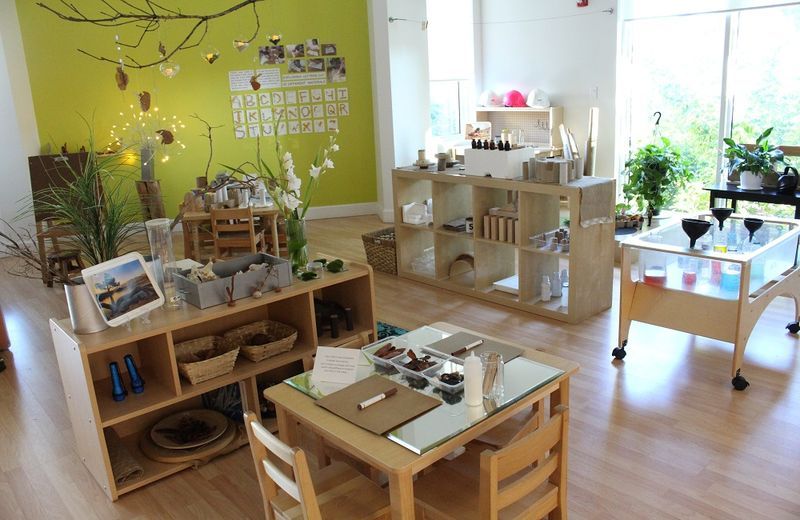
The Reggio Emilia approach originated in Italy after World War II under the guidance of educator Loris Malaguzzi. This approach places strong emphasis on student-led inquiry-based learning where teachers act as co-learners alongside students rather than strict instructors.
In Reggio Emilia-inspired schools, the environment and materials are carefully designed to provoke curiosity and encourage exploration. Students are encouraged to use multiple forms of expression such as drawing, painting, sculpting, drama, and music to communicate their ideas and understanding.
The role of the teacher in Reggio Emilia schools is to observe students closely, document their progress, and facilitate their learning experiences based on their individual interests and needs. Collaboration among students, teachers, parents, and the community is also highly valued in this approach.
Democratic Schools:
Democratic schools are based on the principles of democratic governance where decisions about curriculum, rules, discipline policies are made collectively by all members of the school community including students.
These schools provide a space where students have a voice in shaping their education. They participate actively in decision-making processes through regular meetings or assemblies where they can express their opinions on various matters that affect them.
In democratic schools, there is an emphasis on fostering critical thinking skills by encouraging open dialogue and debate. Students have opportunities to engage in discussions about social issues or current events.
Sudbury Schools:
Sudbury Valley School was founded in Massachusetts in 1968 as an alternative model for education. Sudbury schools operate on the philosophy that children learn best when given the freedom to pursue their interests at their own pace without interference from adults.
In Sudbury schools there are no formal classes or set curriculum. Instead students have complete autonomy over how they spend their time during school hours. This could include reading books from the library, engaging with peers in discussions or games or pursuing personal projects.
The role of staff members at Sudbury Schools is primarily administrative rather than instructional. They serve as resources for students if needed but do not dictate what should be learned or how it should be learned.
Unschooling:
Unschooling is an educational philosophy that emphasizes child-led learning through real-life experiences rather than traditional schooling methods. It rejects standardized curriculum and formal teaching methods instead focusing on the interests and passions of the individual child.
Unschooling allows children the freedom to explore their own interests, which can lead to a more motivated and engaged approach to learning. Parents act as facilitators, providing resources and opportunities for their children to pursue their passions.
The flexibility of unschooling allows for tailored learning experiences that cater to each child’s unique strengths, weaknesses, and interests. This can lead to a deeper understanding of subjects and a more holistic education.
Micro-schools:
Micro-schools are small-scale educational institutions often with fewer than 150 students that offer personalized learning experiences. These schools focus on providing individualized attention and tailoring instruction based on students’ needs.
In micro-schools, teachers have the ability to adapt curriculum and teaching methods in real-time based on student progress or interest. This level of customization provides an opportunity for targeted intervention or acceleration depending on each student’s abilities.
Cooperative Schools:
Cooperative schools are typically run by parents who actively participate in decision-making processes alongside educators. These schools emphasize community involvement and shared responsibility among all stakeholders including parents, teachers, students, and administrators.
In cooperative schools, parents contribute their time through volunteering in various capacities such as assisting in classrooms or serving on committees. This fosters a strong sense of community engagement while also allowing parents to have direct input into their child’s education.
Home-based Education:
Home-based education refers to schooling that takes place primarily within the home environment rather than at traditional brick-and-mortar schools. It is typically facilitated by parents or guardians who take full responsibility for their child’s education.
Virtual or Online Schools:
Virtual or online schools deliver instruction entirely through digital platforms using internet-based technologies. Students engage with content remotely from any location with an internet connection.
These schools provide flexible scheduling options for students who may require alternative arrangements due to personal circumstances such as health issues or geographical constraints. Virtual schools also offer access to specialized courses that may not be available in traditional school settings.
Forest Schools:
Forest schools are outdoor-based educational programs that prioritize nature exploration, hands-on learning, and environmental stewardship. These schools take place primarily in natural environments such as forests or parks, allowing students to connect with nature while engaging in experiential learning.
Outdoor Education Programs in Small Schools:
Small schools often have the advantage of being able to provide more opportunities for outdoor education programs. These programs can include field trips to local parks or nature reserves, camping expeditions, gardening projects, or other activities that promote environmental awareness and appreciation.
Small School Networks and Alliances:
Small school networks and alliances are collaborative initiatives where small schools come together to share resources, ideas, and expertise. By pooling their knowledge and resources, small schools can benefit from economies of scale without compromising their unique identities.
These networks also serve as a platform for advocacy on behalf of small schools to ensure their needs are recognized at the policy level. They may provide professional development opportunities for teachers or support services for administrators who may have limited access to these resources individually.
Small School Funding Challenges and Solutions:
One common challenge faced by small schools is securing adequate funding due to limited student enrollment numbers. This can result in financial constraints that impact resource availability or teacher salaries.
To address this issue, some small schools explore creative solutions such as fundraising campaigns within the local community or seeking grants from charitable foundations. Collaborative efforts with larger institutions or partnerships with businesses can also help alleviate financial pressure.
Small School Community Engagement Strategies:
Community engagement is crucial for the success of small schools as they heavily rely on local support. Small schools often develop strong relationships with parents/guardians through regular communication channels like parent-teacher associations (PTAs), open houses, community events such as fairs or performances etc.
In addition to parent involvement, small schools actively seek partnerships with local organizations like libraries or museums which enriches the educational experience beyond classroom walls. These collaborations can provide opportunities for students to engage in real-world projects or gain practical skills.
Small School Curriculum Design and Customization:
Small schools have the advantage of being able to offer a more personalized curriculum design that caters to the specific needs and interests of their students. This flexibility allows for tailoring instruction, incorporating local culture or community knowledge, and providing interdisciplinary learning experiences.
By encouraging student input, small schools can co-create curricula that reflect students’ preferences while still meeting academic standards. This approach fosters student engagement and ownership over their learning process.
Integrating Technology in Small Schools:
While small schools may face challenges in terms of limited technology resources compared to larger institutions, they can still effectively integrate technology into their classrooms. Smart boards, tablets, laptops or other devices can be used strategically to enhance instruction and promote digital literacy skills.
Technology also provides opportunities for virtual collaboration with experts or other learners beyond the immediate school community. Teachers in small schools often find creative ways to maximize available resources by sharing devices among grade levels or utilizing free online educational platforms.
Teacher-Student Ratios in Small Schools:
One significant advantage of small schools is the lower teacher-student ratios compared to larger educational settings. Smaller class sizes allow teachers to provide individualized attention, build stronger relationships with students, and truly understand each child’s unique strengths and weaknesses.
This close interaction enables teachers to tailor instruction based on individual needs better. It also facilitates meaningful feedback loops between teachers and students which promotes continuous improvement both academically as well as socio-emotionally.
Multigrade Classrooms in Small Schools:
Due to limited enrollment numbers, multigrade classrooms are common in small schools where two or more grade levels are combined within a single classroom setting. Multigrade classrooms offer several benefits such as enhanced peer-to-peer learning opportunities, increased collaboration skills development across age groups etc.,
Teachers play a crucial role in creating inclusive environments within these classrooms where students of varying abilities, interests, and developmental stages can thrive. Differentiated instruction and flexible grouping strategies are often employed to address the diverse needs of students.
Experiential Learning in Small Schools:
Small schools have the unique advantage of being able to provide experiential learning opportunities that go beyond traditional classroom-based instruction. Field trips, outdoor education programs, service-learning projects or internships within the local community enable students to apply what they’ve learned in real-life contexts.
These hands-on experiences not only deepen understanding but also foster critical thinking skills, problem-solving abilities, and a sense of responsibility towards their communities. Experiential learning can be facilitated through partnerships with local organizations or through project-based learning approaches integrated into the curriculum.
Arts-Focused Small Schools:
Arts-focused small schools place a strong emphasis on artistic expression as a means for self-discovery and personal growth. These schools offer specialized programs in visual arts, music, dance, theater or other creative disciplines alongside core academic subjects.
The integration of arts across all areas of study promotes interdisciplinary connections and fosters creativity among students. Arts-focused small schools often collaborate with local artists or art institutions to provide mentorship opportunities for their students or organize performances/exhibitions that showcase student work.
Language Immersion Programs in Small Schools:
Small schools can offer language immersion programs where students receive instruction primarily in a target language other than their native tongue. This immersive approach exposes children to another culture’s traditions while developing linguistic proficiency from an early age.
By providing an authentic language-learning environment with smaller class sizes and more individualized attention from teachers who specialize in second language acquisition methods these programs can achieve high levels of fluency among participants over time.
Small School Teacher Professional Development Opportunities:
While small schools may face limitations when it comes to accessing professional development resources typically available at larger educational institutions there are still several options available.
Teachers at small schools can engage in online courses/seminars, webinars, or workshops offered by educational organizations. In addition, teachers can collaborate with colleagues from other small schools through networking events or join professional learning communities where they can share best practices and resources.
Inclusive Education Practices in Small Schools:
Small schools often excel at creating inclusive environments where students of diverse backgrounds, abilities, and learning styles feel welcome and supported. Smaller class sizes allow for more individualized attention which benefits students with special needs or who require additional support.
Small schools also prioritize building strong relationships between staff members, students, and families. This creates a sense of belonging within the school community that is essential for fostering inclusivity.
Environmental Sustainability Initiatives in Small Schools:
Many small schools are committed to sustainability initiatives as part of their educational philosophy. These initiatives may include recycling programs, energy conservation efforts like solar panels installation or composting projects that promote environmental responsibility among students.
By integrating sustainable practices into the curriculum itself (e.g., studying local ecosystems) small schools reinforce the importance of environmental stewardship while providing experiential opportunities for hands-on learning about ecological systems and sustainable living practices.
 Alternative Amie
Leave a comment