Mobile Learning (m-learning): Revolutionizing Education in the Digital Age
In today’s fast-paced world, technology has become an integral part of our daily lives. From smartphones to tablets, we are constantly connected and have access to a wealth of information at our fingertips. This digital revolution has also transformed the field of education, giving rise to mobile learning (m-learning) – a new approach that is changing the way we learn and teach.
What is Mobile Learning?
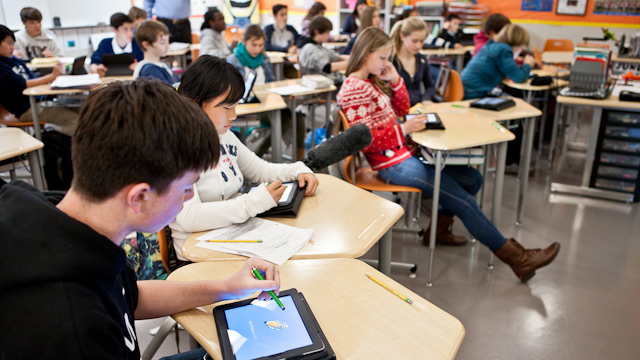
Mobile learning, or m-learning, refers to the use of mobile devices such as smartphones and tablets for educational purposes. It allows learners to access educational content anytime, anywhere, making learning more flexible and personalized than ever before. M-learning encompasses a wide range of activities including reading e-books, watching educational videos, taking quizzes and assessments, participating in discussions through online forums or chat platforms.
Advantages of Mobile Learning:
1. Accessibility: One of the most significant advantages of m-learning is its accessibility. With mobile devices becoming increasingly affordable and widespread globally, students from all backgrounds can now access quality education regardless of their location or economic status. This opens up opportunities for marginalized communities who previously had limited access to traditional schooling.
2. Flexibility: Unlike traditional classroom settings with fixed schedules and locations, m-learning offers flexibility in terms of time and place for both learners and educators. Students can learn at their own pace without being bound by rigid timetables while teachers can deliver content remotely without physical limitations.
3. Personalization: M-learning enables personalized learning experiences tailored to individual student needs and preferences. With adaptive learning technologies integrated into many mobile apps, students receive customized content based on their strengths and weaknesses – fostering better engagement with the material.
4. Enhanced Engagement: The interactive nature of mobile devices enhances student engagement compared to traditional textbooks or lectures alone. Multimedia elements such as videos, interactive simulations/animations make complex concepts more accessible and enjoyable for learners.
5.Collaboration & Communication: Mobile devices facilitate collaboration and communication among learners, teachers, and peers. Online discussion forums or chat platforms enable students to interact with each other, exchange ideas, ask questions, and receive immediate feedback from their instructors.
6. Gamification: Many m-learning apps incorporate gamification elements such as badges, rewards systems, and leaderboards to motivate students and make learning more enjoyable. This approach taps into the natural inclination of humans towards competition and achievement while fostering a positive learning environment.
7. Cost-Effectiveness: Implementing m-learning can significantly reduce costs compared to traditional educational resources. Digital textbooks are often cheaper than printed ones while online courses eliminate expenses related to physical infrastructure like classrooms or laboratories.
8. Real-world Applications: M-learning allows learners to connect theoretical knowledge with real-world applications through augmented reality (AR) or virtual reality (VR). Students can simulate experiments in science subjects or visit historic sites virtually – providing immersive experiences that enhance understanding.
9. Continuous Learning Opportunities: M-learning provides continuous access to learning resources beyond formal education settings. Professionals seeking upskilling opportunities can benefit from online courses or webinars on various topics of interest – enabling lifelong learning for personal growth and career advancement.
10. Environmental Sustainability: With the world becoming increasingly conscious of environmental sustainability, m-learning offers an eco-friendly alternative by reducing paper usage associated with traditional classroom materials.
Challenges of Mobile Learning:
While mobile learning presents numerous advantages, it also comes with its fair share of challenges that need to be addressed for successful implementation:
1.Technological Requirements & Infrastructure: Access to reliable internet connectivity is crucial for effective m-learning implementation in areas where network coverage is limited or unreliable. Additionally, schools may require adequate technical support and infrastructure upgrades such as Wi-Fi networks or charging stations for seamless integration into the curriculum.
2.Digital Divide & Inequality: Despite increasing accessibility globally, there remains a digital divide between those who have access to mobile devices/internet and those who don’t. This creates inequality in educational opportunities, reinforcing existing socio-economic disparities.
3.Limited Personal Interaction: The lack of face-to-face interaction in m-learning can be a drawback for some learners who thrive on social engagement. It is essential to strike a balance between virtual and physical interactions to ensure holistic development.
4.Distractions & Time Management: Mobile devices are often associated with distractions such as social media or gaming apps. Students must develop self-discipline and time management skills to avoid getting sidetracked from their learning goals.
5.Quality Assurance & Credibility: With the vast amount of information available online, ensuring the credibility and quality of educational content can be challenging. Educators need to curate reliable resources for students while teaching them critical thinking skills to discern credible sources themselves.
6.Student Motivation & Self-directed Learning: M-learning requires students to take more responsibility for their own learning independently. Some students may struggle with self-motivation or lack the necessary study habits without direct supervision – requiring additional support from teachers or parents.
7.Data Privacy & Security: As with any digital platform, data privacy and security concerns arise when using mobile devices for education. Schools must implement robust security measures to protect student information and ensure compliance with data protection regulations.
Conclusion:
Mobile learning (m-learning) has emerged as a powerful tool revolutionizing education in the digital age. Its accessibility, flexibility, personalization, enhanced engagement, collaboration opportunities, cost-effectiveness, real-world applications present numerous advantages that traditional methods cannot match. However, challenges related to technology requirements, inequality issues like the digital divide, limited personal interaction require careful consideration during implementation. By addressing these challenges thoughtfully while leveraging the benefits offered by mobile learning technologies we can create an inclusive educational landscape that empowers learners worldwide
 Alternative Amie
Leave a comment