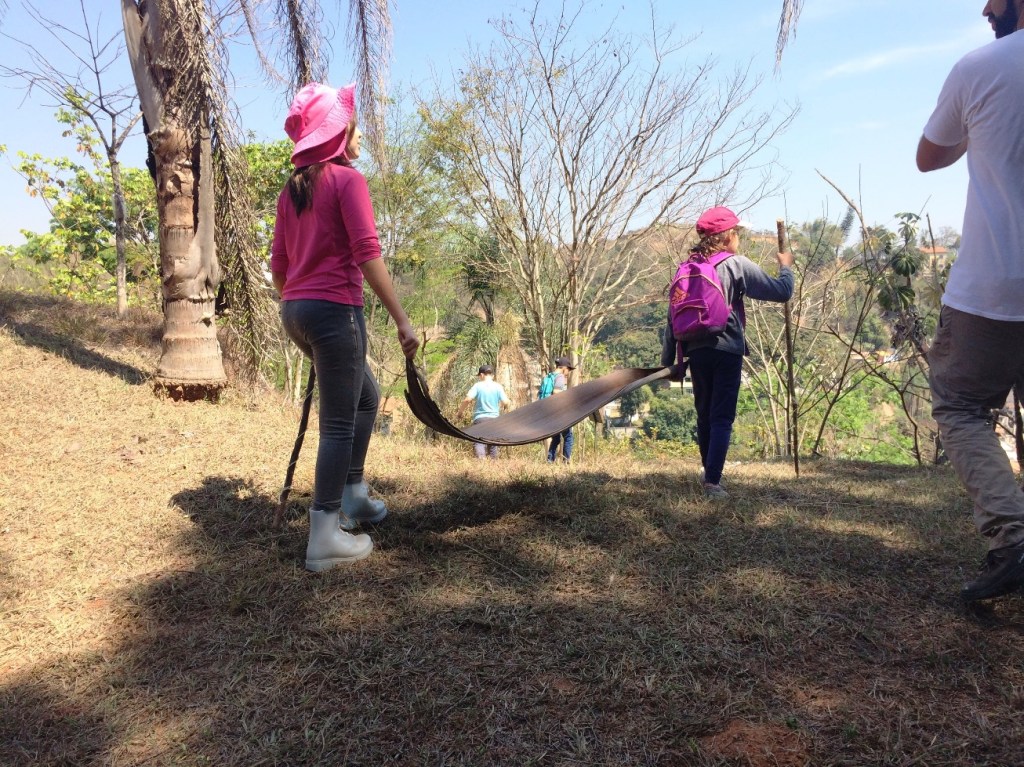
Forest School Partnerships: Building Strong Connections with Local Communities and Organizations
Introduction:
In recent years, Forest Schools have gained popularity as an alternative approach to education. These schools prioritize outdoor learning experiences, allowing children to explore and connect with nature while developing a range of valuable skills. One crucial aspect that sets Forest Schools apart is their emphasis on partnerships with local communities and organizations. By forging these connections, Forest Schools create a rich and diverse learning environment for students while also benefiting the community at large.
1. Benefits of Forest School Partnerships:
Forest School partnerships offer numerous benefits for both the school and the community it serves. Let’s delve into some of these advantages:
a) Access to Knowledge and Expertise:
Collaborating with local organizations such as environmental groups, wildlife experts, or park rangers provides access to specialized knowledge about the natural world. This expertise can enrich the curriculum by offering unique insights into flora, fauna, conservation efforts, and ecological systems.
b) Community Engagement:
Partnering with local communities helps build bridges between educational institutions and their surroundings. It allows schools to become active participants in community initiatives like tree planting campaigns or clean-up drives, fostering a sense of belonging among students while promoting environmental stewardship.
c) Resource Sharing:
Forest Schools often rely on community resources such as nearby forests or green spaces for their outdoor classrooms. Partnering with local entities ensures continued access to these spaces while promoting responsible use and management.
d) Enhanced Learning Opportunities:
By collaborating with organizations specializing in subjects like art, music, storytelling, or traditional crafts—such as pottery or woodworking—Forest Schools can expand their curriculum beyond core subjects like math and science. This holistic approach offers children diverse learning opportunities that cater to individual interests and strengths.
e) Supportive Network:
Building strong relationships within the community creates a supportive network around the school that fosters growth through fundraising events or mentorship programs—all aimed at enhancing student experiences outside regular classroom settings.
2. Successful Forest School Partnerships:
Let’s explore some examples of successful Forest School partnerships to understand how they benefit both the educational institution and the community.
a) Wildlife Conservation Society (WCS) Partnership:
A Forest School in a rural town partnered with the local chapter of the WCS, which focuses on conserving wildlife habitats and protecting species at risk. This collaboration allowed students to learn from WCS experts about local fauna, participate in bird banding exercises, and engage in habitat restoration projects. The partnership also involved regular visits to a nearby nature reserve managed by the WCS, providing children with hands-on experiences that deepened their understanding of biodiversity conservation.
b) Local Art Studio Collaboration:
A Forest School located near an art studio formed a collaboration where students attended regular art classes led by professional artists. Through this partnership, children learned various artistic techniques inspired by nature while also gaining exposure to different art forms like pottery and sculpture. Additionally, several student artworks were exhibited at the studio’s annual showcase, fostering a sense of pride among both students and parents.
c) Community Garden Project:
A Forest School worked closely with a local community garden initiative aimed at promoting sustainable agriculture practices within urban areas. Students actively participated in planting, maintaining vegetable patches, composting activities, and learning about food production cycles firsthand. In return for their efforts, they took home fresh produce or donated it to local shelters—a rewarding experience that connected them directly with issues surrounding food security.
3. Establishing Strong Partnerships:
Creating successful partnerships between Forest Schools and local communities requires careful planning and ongoing communication. Here are some steps schools can take to establish strong connections:
a) Identify Potential Partners:
Research organizations or individuals within the community who align with forest school values—such as environmental groups focused on conservation or outdoor adventure clubs promoting active lifestyles—and reach out to discuss potential collaborations.
b) Establish Shared Goals:
Collaborative initiatives should align with both parties’ objectives, ensuring mutual benefits. For example, an environmental group may aim to raise awareness about local ecosystems while the school seeks to incorporate outdoor learning into its curriculum. By identifying shared goals, partnerships become purpose-driven and more likely to succeed.
c) Regular Communication:
Maintaining open lines of communication is vital for successful partnerships. Frequent meetings, phone calls, or emails allow both parties to share updates, address concerns or challenges promptly, and make necessary adjustments along the way.
d) Reciprocity and Collaboration:
Partnerships thrive when there is a sense of reciprocity. Schools can offer resources such as volunteer assistance during community events or opportunities for organizations to showcase their work within the school premises. In return, organizations can provide expertise or facilitate unique experiences that enhance students’ learning journey.
Conclusion:
Forest School partnerships with local communities and organizations play a significant role in creating vibrant educational environments that foster holistic development in children. These collaborations provide access to specialized knowledge, engage students with their surroundings, offer diverse learning opportunities beyond traditional subjects, and establish a supportive network around Forest Schools. By forging strong connections with the community at large, Forest Schools can continue nurturing future generations who appreciate nature’s value while actively contributing toward sustainable development.
 Alternative Amie
Leave a comment