Bilingual education is a topic of great importance in today’s globalized world. With an increasing number of individuals speaking multiple languages, it has become crucial to explore different approaches and strategies for teaching and learning languages effectively. In this article, we will delve into various subtopics related to bilingual education and examine their significance in promoting language proficiency and cultural understanding.
1. Immersion Programs:
Immersion programs are designed to immerse students in a second language by providing instruction solely in that language. This approach aims to foster natural language acquisition through constant exposure and practice. Students are encouraged to communicate, read, write, and think in the target language from the beginning stages of their education.
Research has shown that immersion programs can lead to high levels of bilingualism and biliteracy among students. By being fully immersed in a second language, learners develop strong listening comprehension skills and gradually acquire oral proficiency. However, it is important for schools implementing immersion programs to provide adequate support for students who may initially struggle with the new language.
2. Dual Language Programs:
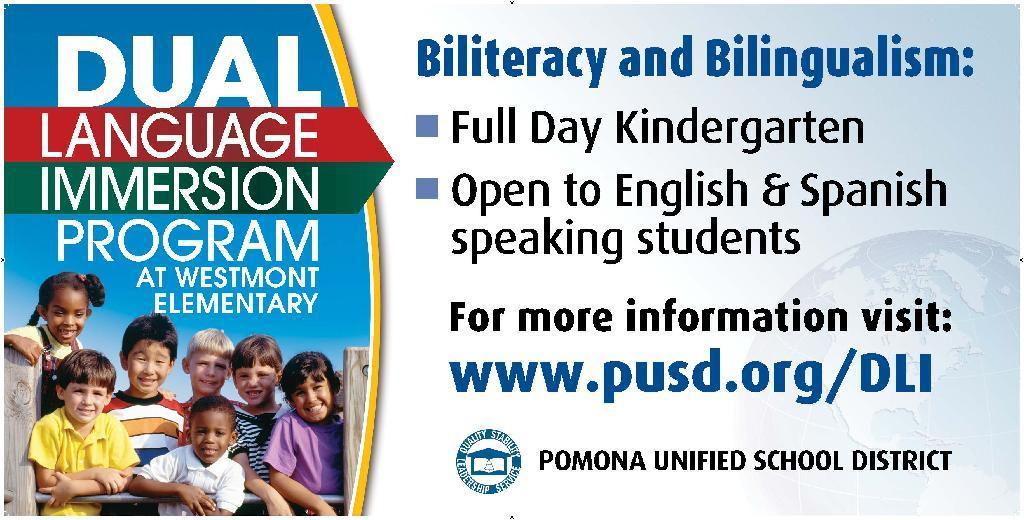
Dual language programs promote bilingualism by integrating native English speakers with native speakers of another target language (e.g., Spanish). This model emphasizes equal participation from both groups while delivering academic content in both languages.
Such programs not only enhance linguistic skills but also foster cultural awareness and appreciation among students from different backgrounds. Research suggests that dual-language learners tend to outperform monolingual peers academically while maintaining their home culture identity.
3. Heritage Language Maintenance:
Heritage language maintenance refers to efforts made by communities or families to preserve their native or ancestral languages within an educational setting. These initiatives recognize the value of maintaining linguistic connections across generations.
By incorporating heritage languages into formal education systems, schools provide opportunities for students to maintain a strong connection with their cultural roots while developing advanced literacy skills in multiple languages.
4. Language Acquisition Theories:
Understanding how individuals acquire languages is fundamental for effective teaching practices. Various theories have been proposed to explain language acquisition, such as behaviorism, cognitivism, and sociocultural perspectives.
Behaviorist theories emphasize the role of exposure and reinforcement in learning languages. Cognitivist theories focus on mental processes like memory, attention, and problem-solving that underpin language acquisition. Sociocultural theories highlight the importance of social interaction and cultural context in language development.
5. Bilingualism and Cognitive Development:
Research has consistently shown that bilingualism can positively impact cognitive development. Bilingual individuals often demonstrate enhanced executive functions such as attention control, working memory, and cognitive flexibility.
These cognitive advantages are believed to arise from the constant need to switch between languages and inhibit one language while using another. Bilingual education programs harness these benefits by providing students with opportunities to develop strong cognitive skills alongside linguistic proficiency.
6. Language Policy in Education:
Language policy encompasses decisions regarding the use of languages within educational institutions or systems. These policies may vary widely across countries or regions depending on historical, political, or cultural factors.
It is important for policymakers to consider the needs of diverse communities when formulating language policies in education. Inclusive policies that support bilingual education can foster academic success while promoting multicultural understanding within society.
7. Language Assessment in Bilingual Education:
Accurate assessment methods are essential for determining students’ language proficiency levels and monitoring their progress over time. Traditional assessments often fall short when evaluating bilingual learners due to their unique linguistic backgrounds.
To address this challenge, specialized assessments have been developed specifically for bilingual individuals. These assessments take into account both languages being learned and aim to provide a comprehensive evaluation of students’ abilities in each language domain (e.g., listening comprehension, speaking).
8. Biliteracy Development:
Biliteracy refers to the ability to read and write proficiently in two languages. Developing biliteracy skills requires explicit instruction on literacy practices specific to each language along with strategies for transferring knowledge between languages.
Biliteracy programs focus on building students’ reading and writing skills in both languages simultaneously. By fostering biliteracy, schools equip students with valuable academic and career opportunities while preserving their cultural heritage.
9. Teacher Training for Bilingual Education:
Effective bilingual education relies heavily on well-trained teachers who possess the necessary linguistic proficiency and pedagogical knowledge. Providing adequate professional development opportunities is crucial to ensure educators are equipped with the skills needed to support diverse learners.
Teacher training programs should include coursework on language acquisition theories, instructional strategies for bilingual learners, and cultural competency training. Additionally, ongoing support and collaboration among educators can enhance teaching practices in bilingual classrooms.
10. Bilingual Education and Social Justice:
Bilingual education plays a significant role in promoting social justice by providing equitable learning opportunities for all students. It acknowledges the value of diverse cultures, languages, and perspectives within society.
By supporting bilingualism, schools contribute to breaking down barriers faced by language minority communities and foster inclusivity in education systems. Bilingual education empowers individuals from various backgrounds to succeed academically while embracing their linguistic heritage.
11. Bilingual Education and Cultural Identity:
Cultural identity is closely intertwined with language as it shapes an individual’s sense of belongingness within a community or group. Bilingual education programs recognize the importance of maintaining cultural identity alongside language development.
These programs create spaces where students can celebrate their own culture while engaging with others from different backgrounds. By valuing diversity, bilingual education fosters mutual respect among individuals from various linguistic communities.
12. Translanguaging in the Classroom:
Translanguaging refers to the practice of using multiple languages flexibly during instruction rather than strictly separating them into specific contexts or domains (e.g., English-only vs. Spanish-only). This approach recognizes that language use is fluid and encourages students to draw upon their entire linguistic repertoires when learning new concepts or expressing ideas.
In translanguaging classrooms, students are encouraged to switch between languages as needed to enhance comprehension and communication. This approach promotes metalinguistic awareness and supports students in making connections across languages.
13. Code-Switching in Bilingual Education:
Code-switching involves the alternating use of two or more languages within a single conversation or discourse. While some may view code-switching as a sign of linguistic confusion, it is actually a natural phenomenon observed among bilingual individuals.
In bilingual education settings, code-switching can serve various purposes, such as clarifying meaning, enhancing cultural understanding, or bridging gaps in vocabulary or grammar knowledge. Teachers can leverage code-switching as a valuable resource for language learning and development rather than discouraging its use.
14. Bilingual Special Education Services:
Bilingual special education services aim to support students with disabilities who are also learning English as an additional language. These services require specialized instructional approaches that address both the student’s individual needs and their language development goals.
Collaboration between special educators and bilingual education specialists is crucial to ensure effective support for these students. By offering inclusive services tailored to their unique circumstances, schools can empower all learners to reach their full potential.
15. Parental Involvement in Bilingual Education:
Active parental involvement is essential for the success of bilingual education programs. Parents play a vital role in supporting their children’s language development by providing opportunities for practice outside of school hours.
Schools should establish clear lines of communication with parents and involve them in decision-making processes related to curriculum design or program implementation. By fostering strong partnerships with families, schools create supportive environments that enhance students’ overall language proficiency.
16. Bilingualism and Academic Achievement:
Research consistently indicates that bilingualism positively impacts academic achievement across various domains such as reading comprehension, problem-solving skills, and cognitive flexibility.
Bilingual individuals often exhibit greater adaptability when faced with new challenges due to their enhanced metalinguistic awareness and cognitive skills. Bilingual education programs capitalize on these advantages to foster academic success among students from diverse linguistic backgrounds.
17. Bilingual Education for Indigenous Communities:
Bilingual education is particularly relevant in indigenous communities, where language preservation and cultural identity are of utmost importance. Such programs recognize the significance of indigenous languages and aim to revitalize them within formal educational settings.
By incorporating indigenous languages into school curricula, schools contribute to the preservation of cultural heritage while providing quality education to indigenous children. Bilingual education can help bridge gaps between generations and ensure the survival of endangered languages.
18. Challenges of Implementing Bilingual Programs:
Implementing bilingual education programs may present various challenges, including funding limitations, lack of qualified teachers, resistance from stakeholders, or insufficient community support.
Addressing these challenges requires a comprehensive approach that involves collaboration among educators, policymakers, parents, and community members. By recognizing and strategizing around potential barriers, schools can create effective bilingual programs that meet the needs of all learners.
19. Bilingual Education Models Around the World:
Bilingual education models vary across countries depending on their linguistic demographics and educational priorities. Some countries adopt immersion or dual-language approaches as their primary bilingual models, while others focus on heritage language maintenance or multilingual instruction.
Studying different international models can provide valuable insights into best practices for implementing successful bilingual education initiatives in diverse contexts.
20. Technology Integration in Bilingual Classrooms:
Technology integration has become increasingly important in modern classrooms, including those dedicated to bilingual education. Digital tools offer opportunities for interactive language practice, authentic resources access (e.g., online libraries), and virtual connections with speakers of other languages worldwide.
Additionally, technology facilitates individualized learning experiences by providing adaptive software that tailors instruction based on students’ proficiency levels or learning styles. Integrating technology effectively enhances engagement and supports language development in bilingual classrooms.
In conclusion,
Bilingual education encompasses various subtopics that explore different aspects related to teaching and learning languages. From immersion and dual-language programs to language policy and technology integration, these subtopics shed light on the significance of promoting bilingualism, cultural understanding, and academic achievement among students from diverse linguistic backgrounds.
By implementing effective bilingual education programs, schools can empower their students to become proficient in multiple languages while fostering a deep appreciation for different cultures. Embracing the richness of linguistic diversity within educational systems is not only an investment in individual success but also a step towards building more inclusive societies.
 Alternative Amie
Leave a comment