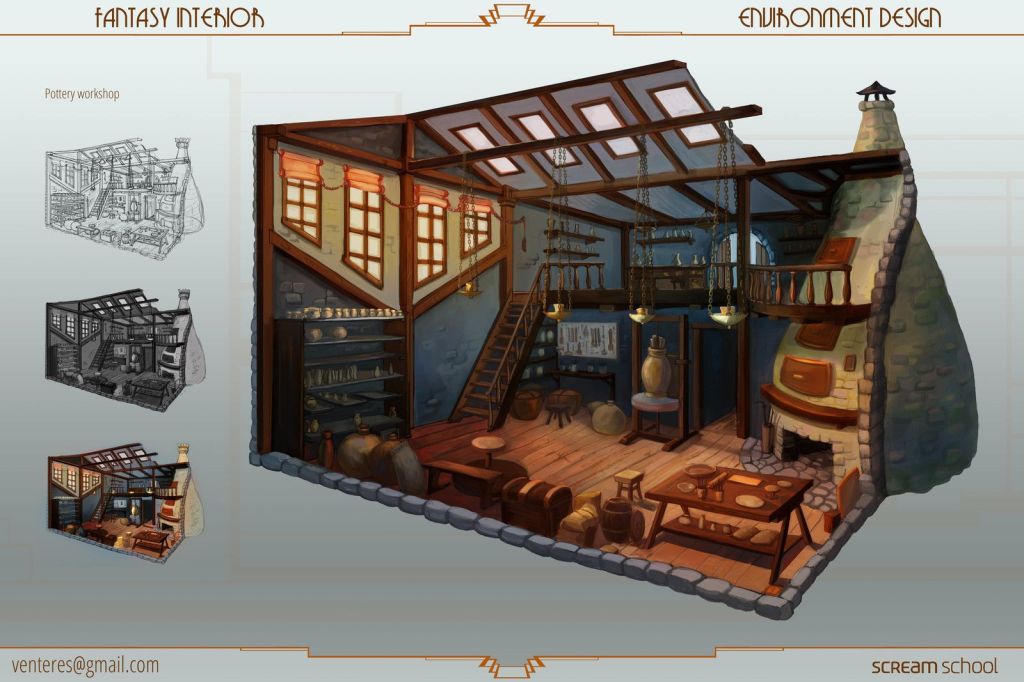
Once upon a time, in a land far, far away, there existed a magical realm known as Fantasy. In this whimsical world of wizards and dragons, heroes and villains, anything was possible. It was a place where imagination knew no bounds and the laws of reality were mere suggestions. And while some may dismiss fantasy as pure escapism or childish indulgence, it actually has great value in alternative schooling and education.
At first glance, fantasy might seem like nothing more than entertainment for children or eccentric adults who refuse to grow up. But beneath the surface lies a treasure trove of educational opportunities waiting to be explored. From fostering creativity and critical thinking skills to promoting empathy and cultural awareness, fantasy offers invaluable lessons that can benefit learners of all ages.
One of the key benefits of incorporating fantasy into alternative schooling is its ability to ignite the flames of creativity. In this fantastical realm, students are encouraged to imagine new worlds, invent magical creatures, and craft intricate narratives. By engaging with these imaginative exercises, learners develop their creative thinking abilities which are essential for problem-solving and innovation.
Moreover, fantasy often challenges students to think critically about complex moral dilemmas presented within its stories. Characters face difficult choices that require careful consideration of consequences and ethical implications. As readers or participants in these narratives through games or role-playing activities, students learn how different actions can lead to various outcomes – teaching them valuable life lessons on decision-making.
Fantasy also has an incredible power when it comes to fostering empathy among learners. By immersing themselves in fantastical tales filled with diverse characters from various backgrounds and cultures (both real and imagined), students gain firsthand experiences outside their own perspectives. This exposure cultivates empathy by allowing them to understand different points of view while developing respect for diversity – an essential skill in today’s globalized world.
Additionally, fantasy serves as a gateway into exploring real-world issues through metaphorical storytelling devices. Many works within the genre tackle social and political themes, shedding light on topics such as power dynamics, discrimination, and environmental concerns. By analyzing these metaphors and discussing their real-life counterparts, students are encouraged to think critically about the world around them and become active participants in shaping a better future.
In the realm of alternative schooling, fantasy can be seamlessly integrated into various subjects. For instance, literature classes can delve into classic works such as J.R.R. Tolkien’s “The Lord of the Rings” or Ursula K. Le Guin’s “A Wizard of Earthsea.” These texts not only provide engaging narratives but also serve as rich sources for exploring language, symbolism, and character development.
History classes can utilize fantasy to bring historical events to life by incorporating elements from those eras into fictional stories. This approach not only makes history more accessible and relatable but also encourages students to engage with the subject matter on a deeper level.
Furthermore, science classes can benefit from fantasy by using it as a platform for scientific exploration. Students can be tasked with creating their own magical systems or creatures while applying scientific principles like genetics or physics in their designs. This interdisciplinary approach fosters a deeper understanding of scientific concepts through imaginative thinking.
It is worth noting that although fantasy offers numerous educational benefits, it should not replace traditional forms of education entirely. Instead, it should be used as an additional tool to enhance learning experiences and engage students in new ways. The key lies in striking a balance between traditional teaching methods and immersive fantastical experiences.
In conclusion, fantasy has much more to offer than meets the eye when it comes to alternative schooling and education. Its ability to foster creativity, critical thinking skills, empathy, cultural awareness – all while providing an engaging learning experience – makes it an invaluable resource for educators seeking innovative approaches in teaching. So let us embrace this magical realm where anything is possible because within its enchanted borders lies a wealth of educational opportunities waiting to be discovered.
 Alternative Amie
Leave a comment