Gifted programs in public schools have become increasingly popular as parents seek educational opportunities that can challenge and nurture the abilities of their academically advanced children. These programs are designed to provide a more stimulating and enriching environment for gifted students, allowing them to explore their full potential. In this article, we will delve into the world of gifted education, discussing its benefits, challenges, and how it is implemented in public schools.
1. What are Gifted Programs?
Gifted programs are specialized educational initiatives that cater to students who demonstrate exceptional intellectual ability or talents in specific areas such as mathematics, science, language arts, or music. The primary objective of these programs is to create an environment that fosters accelerated learning and allows gifted students to fully develop their unique skills.
2. Benefits of Gifted Programs
One significant advantage of gifted programs is that they provide tailored instruction based on each student’s individual needs and abilities. This personalized approach allows gifted learners to work at an appropriate pace without feeling held back by a standard curriculum.
Moreover, being surrounded by like-minded peers creates a supportive community for these students where they can interact with others who share similar interests and passions. This sense of belonging helps foster social-emotional development while reducing feelings of isolation often experienced by intellectually advanced children.
Additionally, participating in a gifted program often opens doors to various enrichment activities beyond regular classroom instruction. These may include field trips, guest speakers from different fields, research projects, competitions (e.g., Math Olympiad), or mentorship opportunities with professionals working in related fields.
3. Challenges Faced by Gifted Programs
Despite the numerous benefits associated with gifted programs in public schools, there are also some challenges involved in implementing and sustaining them effectively.
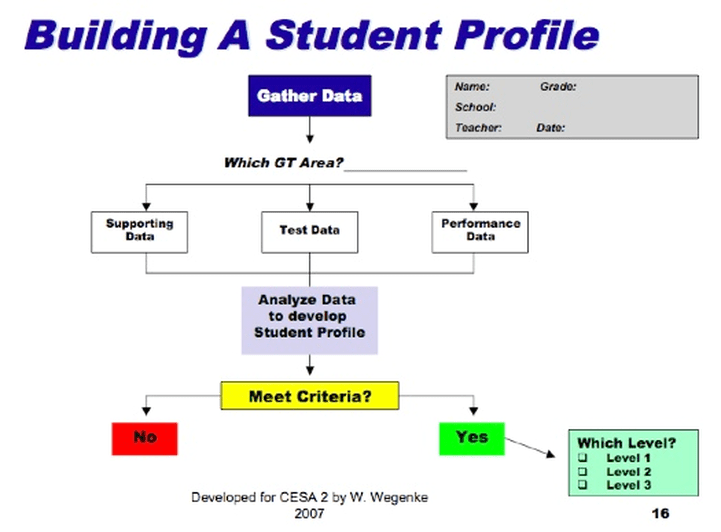
One common challenge is identifying truly gifted students accurately. Determining eligibility for these programs requires careful assessment methods involving multiple criteria such as IQ tests, achievement tests scores above a certain threshold level (often 95th percentile or higher), teacher recommendations, and observations of advanced cognitive abilities. However, these methods are not foolproof and may overlook some exceptional students who do not fit the traditional mold of giftedness.
Another challenge is maintaining a balance between challenging gifted students without overwhelming them. It is crucial to find the right level of difficulty that pushes their academic boundaries while still providing support and guidance. Gifted learners can become bored or disengaged if the curriculum fails to meet their needs adequately.
Furthermore, funding limitations often pose challenges for implementing and sustaining gifted programs in public schools. These programs require additional resources such as specialized teachers trained in gifted education, appropriate instructional materials, and access to enrichment activities beyond regular classroom offerings. Without sufficient funding, it becomes challenging to provide an optimal learning environment for these students.
4. Different Models of Gifted Programs
Public schools employ various models when implementing gifted programs to address the diverse needs of intellectually advanced learners:
a) Pull-out Programs: In this model, identified gifted students are withdrawn from their regular classrooms for specific periods during the week to participate in specialized instruction tailored to their abilities. They work on more advanced material with other talented peers under the guidance of a certified gifted teacher.
b) Cluster Grouping: In cluster grouping, several identified gifted students are placed together within a regular classroom setting with their peers at different ability levels. This model allows for differentiation within the classroom by providing opportunities for intellectual peer interaction while still being part of a general education class.
c) Acceleration: Acceleration involves allowing academically advanced students to skip grade levels or take courses above their current grade level. This model helps prevent boredom and ensures that highly capable learners are continuously challenged at an appropriate pace.
d) Magnet Schools: Some school districts have established magnet schools specifically designed for high-ability learners across various disciplines such as science, arts, or technology. These schools offer comprehensive curricula enriched with specialized resources focusing on specific areas of interest.
5. Strategies for Supporting Gifted Students in Regular Classrooms
Gifted programs are not always available in every school, making it essential for regular classroom teachers to employ strategies that support the unique needs of gifted students:
a) Differentiation: Teachers should differentiate instruction by providing more challenging assignments or allowing advanced learners to explore topics in greater depth. This can be achieved through flexible grouping, compacting curriculum, or offering independent research projects.
b) Enrichment Opportunities: Offering a range of enrichment activities within the regular classroom setting can help keep gifted students engaged and motivated. Incorporating guest speakers, hands-on experiments, debates, or project-based learning opportunities can cater to their intellectual curiosity.
c) Individualized Learning Plans: Developing individualized learning plans (ILPs) allows teachers to identify specific goals and objectives tailored to each student’s abilities. ILPs provide a roadmap for personalized instruction while ensuring academic growth and fulfillment.
d) Collaboration with Peers: Encouraging collaboration between gifted students and their peers creates an inclusive environment where diverse perspectives are valued. This fosters social-emotional development while promoting teamwork and empathy among all learners.
6. Conclusion
Gifted programs in public schools offer academically advanced students the opportunity to thrive in an environment that challenges and nurtures their abilities fully. These programs provide numerous benefits such as personalized instruction, peer interaction with like-minded individuals, and access to enrichment activities beyond standard curricula. However, challenges related to identification methods, program sustainability due to funding limitations, and maintaining appropriate levels of challenge exist within these programs.
For schools without formal gifted programs, adopting strategies such as differentiation techniques, providing enrichment opportunities within regular classrooms, developing individualized learning plans (ILPs), and encouraging collaboration among peers can help support the unique needs of intellectually advanced students. By recognizing the importance of catering education toward exceptional learners’ abilities early on through gifted programs or alternative approaches within mainstream classrooms, we can ensure all students reach their full potential.
 Alternative Amie
Leave a comment