Education is a vital aspect of our lives that shapes individuals and prepares them for future success. While traditional schooling methods have been widely accepted, alternative forms of education are gaining popularity for their unique approaches and focus on individual needs. In this Q&A style post, we will delve into the world of alternative schooling and explore its benefits, challenges, and potential impact on students.
Q: What is alternative schooling?
A: Alternative schooling refers to educational systems that diverge from mainstream methods. These schools often prioritize personalized learning experiences, hands-on activities, project-based learning, or non-traditional subjects.
Q: What are the benefits of alternative schooling?
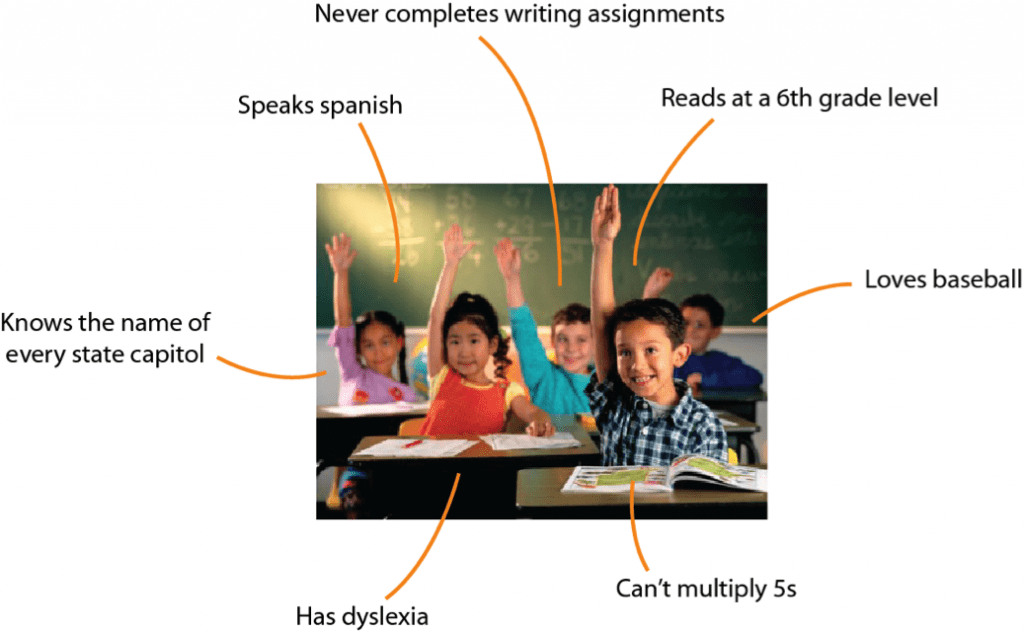
A: One major advantage is the emphasis on individualized instruction. Students in alternative schools often receive personalized attention from teachers who tailor lessons to meet each student’s specific needs and learning styles. This approach fosters a deeper understanding of concepts and promotes academic growth.
Additionally, alternative schools tend to provide more flexibility in terms of curriculum design and scheduling. This can enable students to pursue their interests or passions outside the conventional scope while still meeting educational requirements.
Alternative schools also aim to create holistic environments where social-emotional development is valued alongside academics. Through smaller class sizes and strong relationships between students and educators, these institutions foster a sense of community and emotional well-being.
Q: Are there any challenges associated with alternative schooling?
A: Like any educational approach, there are potential challenges with alternative schooling as well. Critics argue that some alternate programs may lack standardized testing preparation or fail to adequately cover certain subject areas required by traditional education systems.
Moreover, because they often deviate from mainstream practices, it can be difficult for graduates from alternative schools to navigate college admissions processes or enter certain career paths that may require traditional qualifications.
Q: How does alternative schooling impact students’ personal growth?
A: Alternative education provides an environment where students feel more empowered in their own learning journey. By encouraging critical thinking skills, creativity, and independent decision-making, alternative schooling nurtures well-rounded individuals who are better prepared to face real-world challenges.
Additionally, the emphasis on experiential learning and practical skills equips students with valuable life abilities such as problem-solving, teamwork, and adaptability.
Q: Can alternative schooling benefit all students?
A: Alternative schooling is not a one-size-fits-all solution. While it can be transformative for some students, others may thrive in more traditional educational settings. The key is to understand each student’s individual needs and preferences before making an informed decision about their education.
Alternative schooling offers a refreshing approach that complements mainstream education systems. With personalized instruction, flexible curricula, and holistic development opportunities, it provides an engaging educational environment that fosters personal growth. However, it is essential to consider the unique needs of each student when exploring alternative options.
 Alternative Amie
Leave a comment