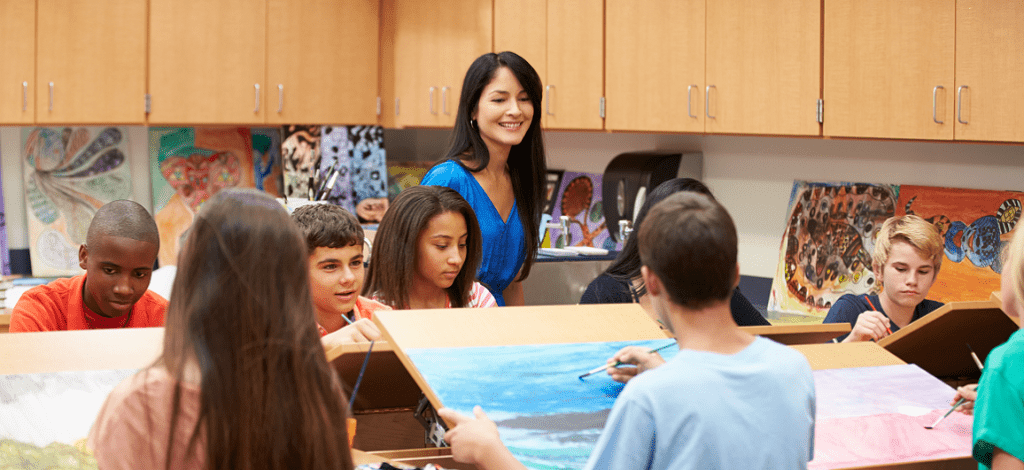
Visual arts play a crucial role in alternative schooling and education. They offer a unique way for students to express themselves, develop creativity, and enhance critical thinking skills. Whether it’s painting, drawing, sculpture, or photography, visual arts provide an avenue for students to explore their imagination and discover new perspectives.
One of the primary benefits of incorporating visual arts into alternative schooling is its ability to foster self-expression. Often, traditional educational systems focus on standardized tests and academic achievements while neglecting individuality. Visual arts allow students to tap into their emotions and thoughts that may not be easily verbalized. By creating art, they can communicate their ideas and experiences without limitations.
Moreover, visual arts encourage creativity in problem-solving. When engaging with art forms like painting or sculpting, students are required to think outside the box and find innovative solutions. This process helps them build critical thinking skills necessary for overcoming challenges they may face in various aspects of life.
Additionally, visual arts promote cultural understanding and empathy among students. Art has the power to transcend language barriers as it speaks through imagery and symbolism. By exploring different artistic styles from diverse cultures around the world, students can gain insight into different perspectives and traditions. This exposure leads to increased appreciation for diversity and fosters a sense of global citizenship.
Furthermore, studying visual arts enhances cognitive development in children by stimulating various regions of the brain simultaneously. Engaging with colors stimulates the brain’s creative center while fine motor skills are cultivated through activities such as drawing or sculpting. Research has shown that these activities improve memory retention and concentration levels.
Incorporating visual arts also brings interdisciplinary opportunities within alternative schooling environments by integrating subjects such as history or science with artistic expression. For example, when learning about ancient civilizations in history class, students can create replicas of artifacts using clay or other materials commonly used during that time period.
Moreover, technology has revolutionized the field of visual arts education by offering new mediums for expression. Digital art software and tools provide students with the ability to explore new techniques, experiment with different styles, and create visually stunning pieces. This integration of technology not only enhances artistic skills but also prepares students for the digital age they will face in their future careers.
Visual arts can also serve as a therapeutic outlet for students facing emotional or mental health challenges. Art therapy has been proven effective in helping individuals cope with stress, anxiety, and trauma. By encouraging alternative schooling programs to incorporate art therapy into their curriculum, it provides a safe space for students to express their emotions and thoughts through creative means.
Additionally, visual arts promote collaboration among students. Group projects that involve creating murals or installations require teamwork and communication skills. These collaborative experiences foster a sense of community within alternative schooling environments by emphasizing the importance of collective efforts.
In conclusion, visual arts offer numerous benefits in alternative schooling and education settings. They facilitate self-expression, enhance creativity and critical thinking skills while promoting cultural understanding and empathy among students. The cognitive development stimulated by engaging with visual arts is essential for academic success across various subjects. Furthermore, the integration of technology opens up new opportunities for exploration and expression within the field of visual arts education. Lastly, art therapy provides an avenue for emotional healing while collaborative projects encourage teamwork and communication skills.
 Alternative Amie
Leave a comment