Project-Based Learning: Unlocking Creativity and Empowering Students
In the traditional education system, students are often confined to a rigid curriculum that focuses on memorization and regurgitation of facts. However, there is a growing movement towards alternative schooling methods, with project-based learning at the forefront. Project-based learning is an innovative approach that allows students to explore real-world problems and challenges through hands-on projects. By engaging in these projects, students not only acquire knowledge but also develop critical thinking skills, creativity, collaboration, and a sense of ownership over their own learning.
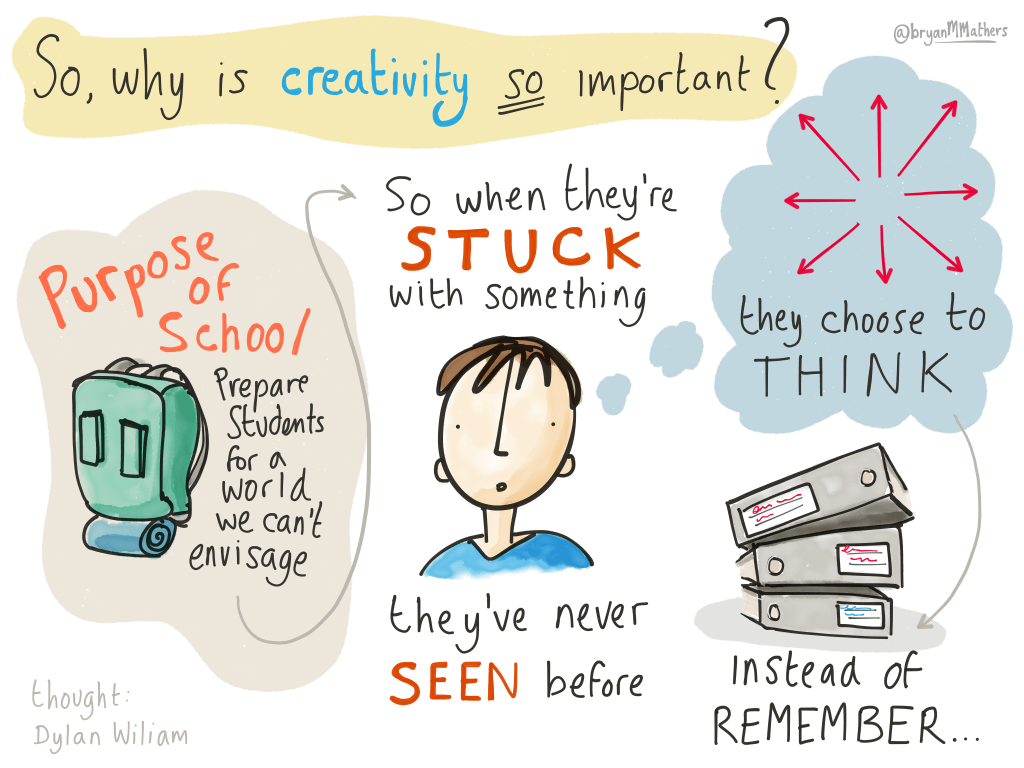
One of the key advantages of project-based learning is its ability to foster creativity in students. In many traditional classrooms, there is little room for creative expression as students are expected to conform to predetermined answers and solutions. However, in project-based learning environments, students have the freedom to think outside the box and come up with unique approaches to solve problems. Whether it’s designing a sustainable garden or creating a short film about social issues, project-based learning encourages students to tap into their imagination and unleash their creative potential.
Moreover, project-based learning enables students to develop essential problem-solving skills. Instead of simply receiving information from textbooks or lectures, they actively engage in solving complex problems by applying what they’ve learned in practical situations. This process requires critical thinking skills as they analyze data, evaluate different options, make decisions based on evidence, and reflect upon their outcomes. Through this iterative process of trial-and-error problem-solving, students become resilient learners who can adapt to new challenges both inside and outside the classroom.
Collaboration is another vital skill that project-based learning cultivates among students. In today’s interconnected world where teamwork has become increasingly important for success in various fields such as technology or business entrepreneurship; it’s crucial for young individuals to learn how to effectively collaborate with others. Project-based learning provides opportunities for group work where students learn how to communicate ideas effectively within teams while respecting diverse perspectives. They learn to delegate tasks, compromise, and leverage each other’s strengths to achieve shared goals. These collaborative experiences prepare students for future professional settings where working in teams is often the norm.
Beyond academic skills, project-based learning also helps students develop a sense of ownership over their own education. When students are given the autonomy to choose projects that align with their interests and passions, they become more engaged and motivated learners. This sense of ownership encourages them to take responsibility for their own learning journey, leading to increased self-confidence and a lifelong love of learning. Additionally, project-based learning allows students to see the direct impact of their work on real-world issues or communities; thus instilling a sense of purpose and social responsibility within them.
In conclusion, project-based learning offers a remarkable alternative approach to education that goes beyond traditional methods by fostering creativity, critical thinking skills, collaboration, and student ownership. By immersing themselves in hands-on projects that tackle real-world challenges, students not only gain knowledge but also develop essential 21st-century skills necessary for success in today’s rapidly changing world. As educators and parents alike recognize the transformative power of project-based learning, it is becoming increasingly clear that this innovative approach holds immense potential in unlocking the full potential of our future generation
 Alternative Amie
Leave a comment