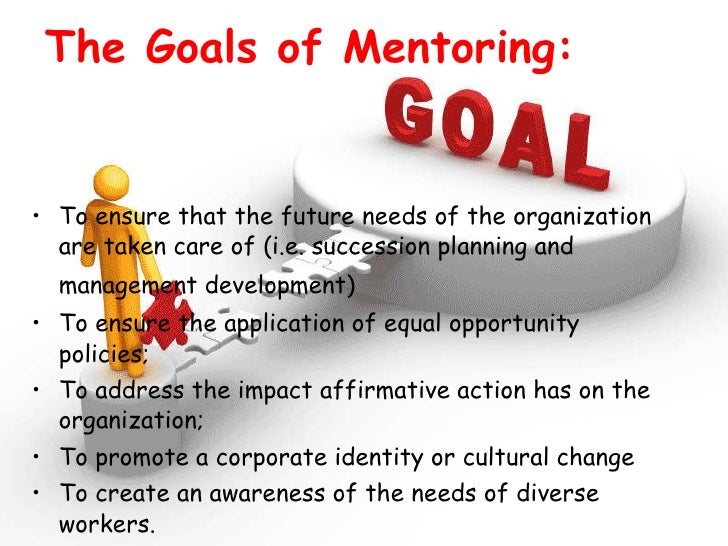
Setting Goals and Objectives in Peer Mentoring
Peer mentoring is an effective approach to support students in their educational journey. By pairing experienced students with their peers who may need guidance, the mentor provides valuable insights and assistance to help mentees succeed academically and personally. To ensure a successful peer mentoring program, it is essential to establish clear goals and objectives.
1. Identify individual needs: The first step in setting goals for peer mentoring is understanding the unique needs of each mentee. This can be achieved through interviews or surveys that explore academic challenges, personal interests, and areas requiring improvement.
2. Establish SMART goals: Once individual needs are identified, mentors should assist mentees in creating specific, measurable, achievable, relevant, and time-bound (SMART) goals. For example, a goal might be improving grades by 10% within the next semester or developing better time management skills by completing assignments ahead of schedule.
3. Encourage long-term planning: Peer mentors should encourage their mentees to think beyond short-term goals by helping them develop long-term plans for academic success. This could include discussing career aspirations or mapping out a plan for higher education.
4. Foster personal growth: While academic success is important, it’s equally crucial to focus on personal growth during the peer mentoring process. Setting objectives related to self-confidence building, cultural awareness, or leadership development can empower mentees to become well-rounded individuals.
5. Monitor progress regularly: Regular monitoring of progress helps mentors gauge whether established goals are being met effectively or if adjustments need to be made along the way. Through open communication and feedback sessions with mentees, mentors can address any barriers hindering progress towards set objectives.
6. Celebrate achievements: Recognizing milestones achieved through peer mentoring enhances motivation levels for both mentors and mentees alike. Celebrating successes not only boosts confidence but also reinforces the importance of goal-setting as a means of accomplishing desired outcomes.
In conclusion, peer mentoring programs thrive when clear goals and objectives are established. By identifying individual needs, creating SMART goals, encouraging long-term planning, fostering personal growth, monitoring progress regularly, and celebrating achievements, mentors can provide effective guidance to their mentees. Through this process, students can develop essential skills and achieve academic success while gaining valuable life experiences along the way.
 Alternative Amie
Leave a comment