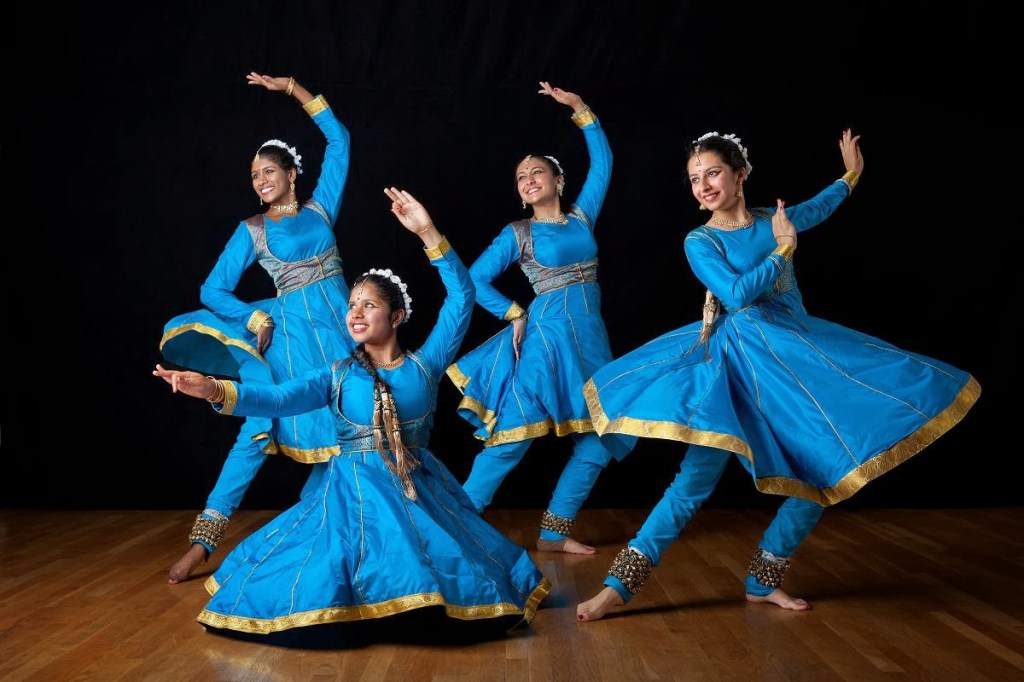
In the realm of classical education, music and dance play a significant role in nurturing well-rounded individuals. These artistic expressions not only provide an outlet for creativity but also foster discipline, emotional intelligence, and cultural appreciation. Incorporating music and dance into the curriculum allows students to engage with the arts on a deeper level, enhancing their overall educational experience.
Nature studies are another integral component of classical education that encourages students to connect with the natural world. By observing and studying nature firsthand, students develop a sense of wonder and curiosity about their surroundings. This interdisciplinary approach enables them to make connections across subjects such as science, literature, art, and philosophy.
While Greece and Rome often dominate discussions about ancient civilizations in classical education, it is essential to explore other cultures as well. Broadening the scope beyond these two societies offers a more comprehensive understanding of human history and civilization. Students can delve into ancient Egypt, Mesopotamia, China, India, or Africa to gain insights into different belief systems, social structures, technological advancements, and artistic traditions.
Latin is traditionally taught as a dead language in schools; however teaching it as a living language can be more engaging for students. By integrating spoken Latin into daily conversations or activities like storytelling or debates instead of solely focusing on grammar rules and translation exercises helps make it relevant to contemporary life while preserving its historical significance.
The Socratic method serves as an effective tool for fostering critical thinking skills among students. Encouraging dialogue through thoughtful questioning cultivates analytical thought processes by challenging assumptions and promoting intellectual curiosity. The use of Socratic dialogue in classrooms creates an environment where ideas are examined rigorously rather than passively absorbed.
Art history provides enriching opportunities for cross-curricular learning within classical education programs. Studying famous artworks from various time periods allows students to engage with history visually while developing aesthetic sensibilities simultaneously. Understanding art’s cultural context enhances comprehension of historical events by exploring personal expression throughout different societies.
Memorization has long been a core aspect of classical education, and for good reason. By committing important facts, poems, speeches, or historical dates to memory, students develop strong recall abilities and mental discipline. Memorization also aids in the formation of a solid knowledge base that can be drawn upon during critical thinking exercises.
Applying classical principles to STEM subjects helps bridge the gap between humanities and sciences. Integrating logic, critical thinking skills, and problem-solving techniques within scientific disciplines cultivates well-rounded individuals who can approach complex issues from multiple perspectives. This interdisciplinary approach fosters creativity and innovation while maintaining intellectual rigor.
Utilizing primary sources in history lessons allows students to engage directly with firsthand accounts or artifacts from ancient times. By examining these sources critically, students gain a deeper understanding of historical events while honing their analytical skills. Primary sources provide valuable insights into different social contexts and viewpoints from various time periods.
Ancient philosophy continues to shape modern thought in profound ways. Exploring the works of philosophers such as Plato, Aristotle, Confucius or Buddha encourages students to reflect on fundamental questions about life’s purpose, ethics, morality, and human nature itself. Understanding these foundational ideas provides a framework for grappling with contemporary philosophical debates.
Mythology and folklore offer rich avenues for studying literature through cultural lenses. By exploring ancient myths from diverse cultures worldwide alongside classic literary texts like Homer’s “Odyssey” or Virgil’s “Aeneid,” students gain insight into universal themes that resonate across time periods and cultures.
Rhetoric is an essential skill that empowers individuals to express themselves effectively in public speaking engagements or written communication. Teaching rhetoric within a classical context enables students to analyze persuasive techniques used throughout history while honing their own abilities to articulate thoughts confidently.
Studying ancient mathematics not only builds logical reasoning skills but also reveals the practical applications of mathematical concepts still relevant today. Geometry especially finds its roots in ancient civilizations’ architectural feats, laying the foundation for modern engineering and design principles.
Classical literature often serves as a springboard for contemporary storytelling. By examining classical texts alongside modern works, students can explore the enduring themes and archetypes that shape narratives across time. This interdisciplinary approach fosters a deeper appreciation for both classic and contemporary literature while highlighting the relevance of ancient stories in today’s world.
Physical education and sports have long been an integral part of holistic education. In classical education, these activities not only promote physical fitness but also serve as opportunities to instill discipline, teamwork, perseverance, and fair play among students. Incorporating physical education into the curriculum helps foster well-rounded individuals who value both mental and physical health.
Ethics and morality are crucial considerations within classical education programs. By examining moral dilemmas from ancient texts or historical events, students develop a strong ethical framework based on critical thinking and empathy. Understanding different perspectives cultivates open-mindedness while encouraging personal reflection on one’s own values.
Ancient medicine provides valuable insights into the foundations of healthcare practices still relevant today. Studying medical advancements made by civilizations such as Egypt or Mesopotamia allows students to appreciate early understandings of anatomy, disease prevention, herbal remedies, surgical techniques while critically evaluating their efficacy compared to modern medical knowledge.
Teaching logic and critical thinking skills through classical texts enables students to engage deeply with rigorous intellectual exercises. Analyzing arguments presented in philosophical treatises or legal discourse hones analytical abilities while fostering independent thought processes necessary for navigating complex issues in various disciplines.
Exploring ancient civilizations through a feminist lens offers a comprehensive understanding of women’s roles throughout history beyond traditional narratives dominated by male voices. Examining societies like ancient Egypt or Greece reveals significant contributions made by women in politics, arts, philosophy challenging preconceived notions about gender roles within those cultures
Integrating technology tools into a traditional classical education approach enhances learning experiences by providing additional resources for research presentations or collaborative projects. While maintaining the classical focus on critical thinking and deep analysis, incorporating technology allows students to engage with modern tools relevant in today’s digital age.
In conclusion, classical education encompasses a broad range of subjects that foster holistic development among students. From music and dance to nature studies, Latin language learning to Socratic dialogue, art history to memorization techniques – each element contributes to cultivating well-rounded individuals equipped with critical thinking skills, cultural appreciation, ethical awareness, and an understanding of the interconnectivity of various disciplines. By embracing these principles within diverse subject areas, educators can provide students with a comprehensive educational experience that prepares them for success in both academic and personal pursuits.
 Alternative Amie
Leave a comment