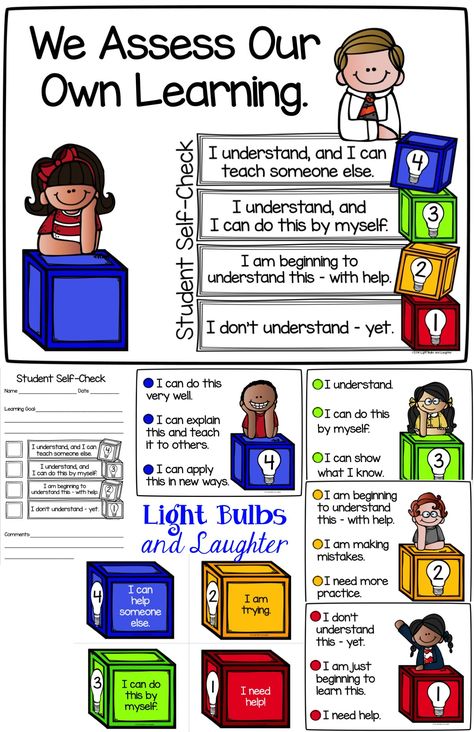
Self-assessment plays a crucial role in project-based learning, providing students with the opportunity to reflect on their progress, identify areas for improvement, and take ownership of their learning. This article will explore the various ways self-assessment can be incorporated into alternative schooling and education settings.
In project-based learning, students are often tasked with completing complex projects that require critical thinking, problem-solving, and collaboration skills. Self-assessment allows students to evaluate their own work based on predetermined criteria or rubrics. By engaging in this process, students gain a deeper understanding of their strengths and weaknesses and can set goals for future improvement.
For students with learning disabilities or special needs, self-assessment strategies need to be tailored to meet their specific needs. One effective approach is providing visual aids or checklists that help them break down tasks into smaller steps. This enables them to assess each step independently and gives them a sense of accomplishment as they complete each one.
Outdoor and experiential education provides unique opportunities for self-assessment. Whether it’s navigating through challenging terrain or working together as a team to solve problems, these experiences encourage students to reflect on their actions and decisions. Journaling or group discussions can be used as tools for reflection during outdoor activities.
Fostering creativity and innovation requires an environment that encourages risk-taking and experimentation. Self-assessment techniques can help cultivate these qualities by allowing students to evaluate the effectiveness of their creative ideas or solutions. Reflective questions such as “What worked well?” or “What could I do differently next time?” prompt critical thinking about the creative process.
Alternative schooling often emphasizes emotional intelligence alongside academic achievement. Self-assessment can play a pivotal role in promoting emotional intelligence by encouraging students to reflect on how they feel about their work, how they handled challenges, and how they interacted with others during collaborative projects.
Developing critical thinking skills is another important aspect of alternative education. Self-assessment prompts such as “What evidence supports my conclusions?” or “What assumptions did I make?” can help students analyze their thinking process and identify areas for improvement. This helps them become more self-aware thinkers and problem-solvers.
Motivation and engagement are critical factors in alternative education settings, where student agency is highly valued. Self-assessment provides an opportunity for students to take ownership of their learning journey, increasing their motivation to succeed. By setting personal goals and tracking their progress, students become active participants in their own education.
Integrating self-assessment into individualized learning plans allows students to reflect on their strengths, weaknesses, interests, and goals. This information can inform the creation of personalized learning pathways that cater to each student’s unique needs and aspirations.
In the context of social justice education, self-assessment can help students examine their biases and privileges. Reflective prompts such as “How does my background influence my perspective?” or “How can I challenge societal norms and promote equity?” encourage critical reflection on issues of power, privilege, and oppression.
Reflective self-assessment practices cultivate self-awareness by encouraging students to think deeply about themselves as learners. Mindfulness practices can be incorporated into these activities to support this process further. Guided meditation or journaling exercises allow students to explore their thoughts, emotions, and reactions during the assessment process.
Technology offers innovative ways to facilitate self-assessment in alternative education settings. Online platforms or apps can provide immediate feedback through quizzes or interactive activities tailored to individual student needs. These tools also enable data collection that informs instructional decisions while promoting student autonomy.
Peer assessment complements self-assessment by providing additional perspectives on a student’s work. Peer-led evaluations foster collaboration skills while allowing students to learn from one another’s strengths and weaknesses.
Addressing cultural biases within self-assessments is crucial within diverse educational contexts. Educators should create inclusive assessment criteria that value diverse perspectives while challenging stereotypes or assumptions based on race, gender, or cultural background.
Rubrics and criteria play a significant role in effective self-evaluation. Clear expectations and well-defined criteria empower students to assess their work accurately. Rubrics can be co-constructed with students, ensuring an understanding of the assessment process and promoting ownership over their learning.
Peer-led self-assessments foster collaborative learning by encouraging students to provide constructive feedback to one another. This process develops communication skills while creating a supportive classroom community.
Goal-setting and self-reflection go hand in hand in alternative schooling. By setting specific goals at the beginning of a project and reflecting on progress throughout, students develop metacognitive skills that enhance their learning experience.
Reflective assessment practices can promote ethical decision-making by prompting students to consider the ethical implications of their actions during projects. Questions like “How does my work impact others?” or “What ethical dilemmas did I encounter?” encourage critical reflection on moral choices made throughout the project.
Formative feedback loops are essential within the process of self-evaluation. Regular check-ins with teachers or peers allow for ongoing reflection and adjustment of goals, leading to continuous growth and improvement.
Assessing transferable skills through authentic tasks enables students to see the real-world applications of what they have learned. Self-reflection prompts like “How can I apply these skills outside of school?” prompt learners to connect their knowledge to practical contexts beyond traditional academic settings.
Student-led conferences and portfolio assessments support student agency by allowing them to take ownership over their achievements. These assessments give them an opportunity to showcase their best work, reflect on areas for growth, set new goals, and engage in meaningful conversations about their educational journey.
In conclusion, self-assessment is a powerful tool that enhances project-based learning within alternative education settings. It fosters critical thinking skills, promotes emotional intelligence, supports student autonomy, addresses biases, cultivates creativity and innovation while providing opportunities for reflection and goal-setting. By incorporating various strategies into alternative schooling and education, educators can empower students to become active participants in their own learning journey.
 Alternative Amie
Leave a comment