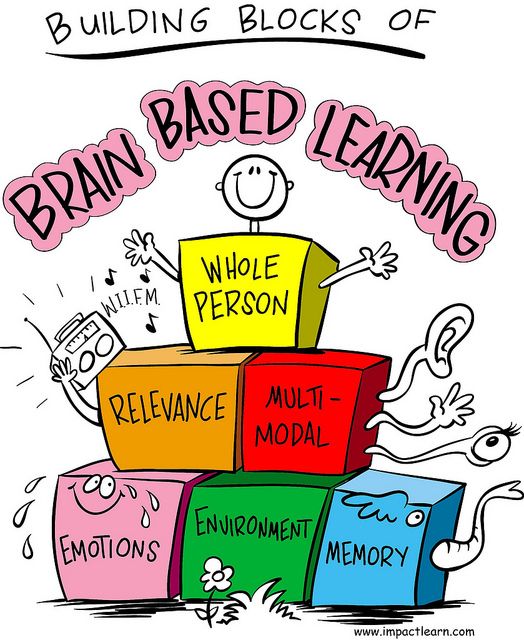
Brain-based Teaching Strategies: Enhancing Learning and Engagement
Education has undergone significant transformations over the years, moving away from traditional teaching methods towards more innovative and effective approaches. One such approach gaining popularity is brain-based teaching strategies. As the name suggests, these strategies are rooted in our understanding of how the brain works and how students learn best. By aligning instruction with the way our brains naturally process information, educators can optimize student learning outcomes while fostering engagement and motivation.
So what exactly are brain-based teaching strategies? At their core, they emphasize creating an environment that supports a learner’s brain development and taking into account individual differences in learning styles and preferences. Let’s delve deeper into some key strategies that can be incorporated into alternative schooling settings to enhance student learning experiences:
1. Creating a Positive Learning Environment:
One of the fundamental principles of brain-based teaching is creating a positive classroom climate that promotes emotional well-being. When students feel safe, valued, and respected, their brains are primed for optimal learning. Teachers can achieve this by establishing clear expectations for behavior, implementing regular opportunities for collaboration and discussion, providing constructive feedback rather than criticism, and celebrating successes.
2. Incorporating Active Learning:
Research shows that active engagement enhances memory retention and deepens understanding. Brain-based teaching encourages teachers to incorporate hands-on activities, group projects, simulations or role-plays into lessons to promote active participation among students. For example, instead of simply lecturing on historical events like the American Revolution, teachers could organize a class debate where students take on different roles to understand various perspectives.
3. Utilizing Multisensory Approaches:
The human brain processes information through multiple sensory channels simultaneously – visual (sight), auditory (hearing), kinesthetic (movement), tactile (touch), etc. By incorporating multisensory experiences into lessons – such as using visuals or manipulatives during math instruction or integrating music or rhythm during language acquisition – educators activate different parts of the brain, leading to more effective learning and retention.
4. Providing Meaningful Context:
Our brains are wired to make sense of information by connecting it to existing knowledge and experiences. Brain-based teaching strategies encourage educators to provide meaningful contexts that relate to students’ lives or interests. For instance, when teaching a science lesson on ecosystems, teachers could take students on a field trip or use real-life examples from their local environment, making the concept more relatable and memorable.
5. Emphasizing Collaboration and Social Interaction:
Humans are inherently social beings, and our brains thrive in environments that foster collaboration and social interaction. Brain-based teaching encourages teachers to incorporate group work, discussions, debates, or cooperative learning activities into lessons. By doing so, students engage in active dialogue with their peers, which promotes critical thinking skills while enhancing social-emotional development.
6. Incorporating Brain Breaks:
Research has shown that prolonged periods of focused attention can lead to mental fatigue and decreased cognitive performance. To combat this, brain-based teaching advocates for incorporating regular breaks during instruction called “brain breaks.” These short pauses allow students time for physical movement or relaxation activities like stretching or deep breathing exercises – recharging their minds for improved focus and attentiveness.
7. Differentiating Instruction:
Brain-based teaching recognizes that each student’s brain is unique; therefore, instruction should be tailored to meet individual needs and preferences whenever possible. Educators can differentiate instruction by providing options for content delivery (e.g., videos, readings), allowing choice in assignments or projects according to student interests/abilities (e.g., written essay vs oral presentation), or offering various ways for students to demonstrate understanding (e.g., visual aids vs written responses).
8. Fostering Metacognition:
Metacognition refers to an individual’s ability to reflect upon their own thinking processes – thinking about how they think! By encouraging metacognitive practices within classrooms through self-reflection, goal-setting, and self-assessment opportunities, students become more aware of their learning strategies. This awareness empowers them to regulate their own learning, leading to increased motivation, autonomy, and improved academic performance.
It is important to note that brain-based teaching strategies are not a one-size-fits-all solution. Every student has unique needs and preferences that require flexibility in implementation. Moreover, these strategies should be seen as complementary rather than replacements for other evidence-based instructional practices.
In conclusion, brain-based teaching strategies offer alternative schooling settings an opportunity to optimize student engagement and enhance learning outcomes. By creating positive learning environments, incorporating active learning methods with multisensory approaches, providing meaningful contexts through collaboration and social interaction opportunities while also differentiating instruction and fostering metacognition among students – educators can tap into the full potential of the brain’s natural mechanisms for effective teaching and learning.
 Alternative Amie
Leave a comment