Storytelling Techniques: Unlocking the Power of Alternative Education
Education is not just about transferring knowledge from a teacher to a student. It’s about igniting curiosity, fostering creativity, and nurturing a love for learning. One powerful tool that can achieve all these goals is storytelling. Storytelling has been an integral part of human culture since ancient times, and it continues to captivate hearts and minds even in today’s digital age. In the realm of alternative schooling and education, storytelling techniques offer unique opportunities to engage students on a deeper level while providing valuable educational experiences.
1. The Hero’s Journey:
The Hero’s Journey is a classic narrative structure that traces the transformational journey of a protagonist who faces challenges, overcomes obstacles, and emerges stronger at the end. By incorporating this storytelling technique into alternative education, educators can encourage students to explore their own journeys of personal growth and self-discovery. Students can create narratives that reflect their challenges and triumphs in areas such as academic pursuits or personal development.
2. Personal Narratives:
Personal narratives allow students to share their own stories, experiences, and perspectives with others in a structured manner. This technique fosters empathy among students by encouraging them to listen actively and understand different points of view. Through personal narratives, alternative education spaces become safe environments where individuals’ voices are heard and respected.
3. Collaborative Storytelling:
Collaborative storytelling involves multiple participants working together to create a narrative collectively. This technique promotes teamwork, communication skills, problem-solving abilities, and creative thinking within an alternative educational setting. Students learn how to negotiate ideas with one another while building upon each other’s contributions in order to develop cohesive storylines.
4.Visual Storytelling:
Pictures speak louder than words! Visual storytelling embraces various forms like illustrations, photographs, videos or animations as tools for conveying narratives effectively. Integrating visual elements into alternative education allows for enhanced comprehension by appealing both visually-oriented learners and those who struggle with traditional text-based approaches. Students can create their own visual stories, infographics, or comics to demonstrate understanding and express their creativity.
5. Story-based Learning:
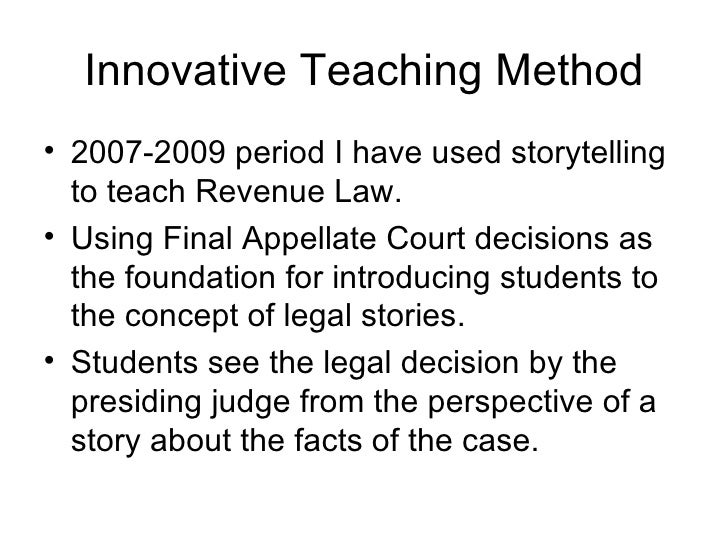
Story-based learning involves using narratives as a foundation for teaching various subjects. Instead of relying solely on textbooks and lectures, educators can weave educational content into engaging stories that capture students’ interest and imagination. By connecting academic concepts with relatable characters and plotlines, story-based learning helps students retain information more effectively while making the learning experience enjoyable.
6. Interactive Storytelling:
Interactive storytelling encourages active participation from students by allowing them to shape the narrative’s outcome through decision-making processes. This technique promotes critical thinking skills, problem-solving abilities, and enhances engagement levels among students in alternative education settings. Interactive storytelling can be facilitated through role-playing exercises, digital simulations or interactive media platforms.
7. Multicultural Stories:
In today’s diverse world, multicultural stories play a crucial role in fostering inclusivity within alternative education spaces. By sharing tales from different cultures and perspectives, educators encourage empathy, respect for diversity, cultural awareness, and global citizenship among students.
8. Digital Storytelling:
With technological advancements at our fingertips, digital storytelling offers endless possibilities for creative expression in alternative education environments. Students can leverage digital tools like video editing software or online platforms to produce multimedia-rich narratives that incorporate elements such as music, sound effects, images or animations.
Storytelling is a powerful tool that not only engages but also empowers learners in alternative education settings. By incorporating these techniques into the curriculum of alternative schools or homeschooling environments alike,, educators unleash the transformational potential of storytelling to inspire lifelong learners who are well-equipped for an ever-changing world beyond traditional classroom walls
 Alternative Amie
Leave a comment