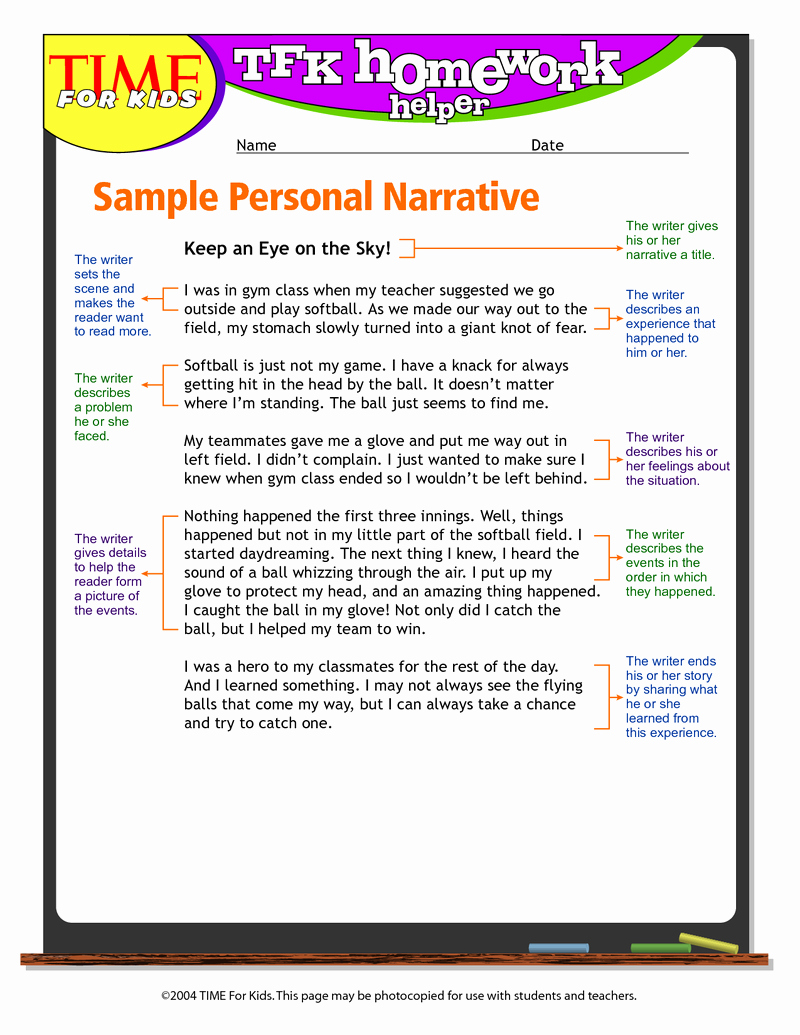
Personal Narratives:
Personal narratives are stories that individuals share about their own experiences, thoughts, and emotions. They provide a unique insight into the personal journey of an individual and can be a powerful tool for self-reflection, understanding, and growth.
In education settings, personal narratives can be used to promote empathy and understanding among students. By sharing their own stories, students learn to appreciate the diverse perspectives and experiences of others. This helps create a more inclusive and supportive classroom environment.
Fictional Narratives:
Fictional narratives are stories that are created by the imagination of the author. They can transport readers to different worlds, introduce them to new characters, and explore complex themes in a captivating way. Fictional narratives allow readers to escape reality while still engaging with important ideas and concepts.
In alternative education settings, fictional narratives can be used as a creative outlet for students. By encouraging them to write their own stories or analyze existing ones, educators can foster creativity and imagination in students. Additionally, fictional narratives can also serve as a tool for exploring diverse voices and perspectives.
Autobiographical Narratives:
Autobiographical narratives are personal accounts written by individuals about their own lives. These narratives provide valuable insights into someone’s upbringing, triumphs, challenges, and growth over time. Autobiographical narratives allow individuals to reflect on their past experiences while also helping others understand who they are today.
In narrative assessments within alternative education settings , autobiographical narratives can help students develop self-awareness and reflection skills . Through writing or discussing events from their lives ,students gain a deeper understanding of themselves ,their values,and goals .These assessments encourage self-reflection which is essential for personal growth .
Historical Narratives:
Historical narratives tell the story of past events through storytelling techniques . They provide context ,analysis ,and interpretation of historical facts that shape our world today . Historical narratives not only inform us about what happened in the past but also offer different perspectives and interpretations of those events .
In alternative education settings , historical narratives can be used to promote critical thinking skills among students . By analyzing different historical accounts , students learn to question biases, consider multiple perspectives ,and develop a deeper understanding of complex historical events . This helps them become informed and engaged citizens.
Cultural Narratives:
Cultural narratives are stories that reflect the beliefs, traditions, values, and practices of specific cultures. They play a crucial role in preserving cultural heritage and identity. Cultural narratives not only provide insights into the history and experiences of a particular culture but also foster respect and appreciation for diversity.
In narrative assessments within alternative education settings, cultural narratives can be used to explore multicultural perspectives. By studying stories from different cultures, students gain a broader understanding of the world around them. This promotes empathy, tolerance, and an appreciation for diverse voices.
Social Justice Narratives:
Social justice narratives shed light on social issues such as inequality, discrimination, human rights abuses, and systemic injustices. These narratives aim to raise awareness about these issues while advocating for change. Social justice narratives have the power to inspire action and create positive social transformation.
In alternative education settings ,social justice narratives can be used as a tool for promoting empathy and understanding .By exploring stories that highlight social issues ,students are encouraged to critically analyze the root causes of injustice .This fosters compassion,and motivates them towards active participation in creating a more just society .
Environmental Narratives:
Environmental narratives focus on our relationship with nature ,the impact we have on the environment,and potential solutions for environmental challenges .These narratives raise awareness about ecological issues while inspiring individuals to take action towards sustainable living .
In alternative education settings ,environmental narratives can be used to promote environmental literacy among students.By reading or creating stories that address topics such as climate change,pollution,and biodiversity loss.students gain knowledge about environmental issues.They also develop a sense of responsibility towards protecting our planet for future generations.
Science Fiction Narratives:
Science fiction narratives imagine future worlds and explore how science and technology might shape society .These narratives often address ethical dilemmas,scientific discoveries,and the potential consequences of human actions .
In alternative education settings ,science fiction narratives can be used to foster creativity,imagination,and critical thinking skills.By engaging with stories that challenge current assumptions about the world,students are encouraged to think outside the box and consider alternative possibilities.
Fantasy Narratives:
Fantasy narratives transport readers into magical realms filled with mythical creatures,magic,and adventure.These narratives allow individuals to escape reality while exploring universal themes such as friendship,courage,and overcoming adversity .
In narrative assessments within alternative education settings ,fantasy narratives can be used as a tool for promoting creativity and imagination.Students can create their own fantasy worlds,characters,and plotlines.This encourages them to think creatively while developing storytelling skills.
Mythological Narratives:
Mythological narratives are traditional stories that explain natural phenomena,social customs,and cultural beliefs.They often feature gods,goddesses,heroes,and supernatural beings.These stories provide insight into the values,beliefs,and traditions of different cultures.
In alternative education settings ,mythological narratives can be used to explore indigenous storytelling traditions.By studying myths from different cultures,students gain an appreciation for diverse perspectives.They also learn about cultural heritage in an engaging and interactive way.
Indigenous Storytelling Traditions:
Indigenous storytelling traditions have been passed down through generations as a means of preserving history,cultural values,knowledge systems,and spiritual beliefs. Indigenous stories reflect deep connections between people,nature,the land,and community
In narrative assessments within alternative education settings ,indigenous storytelling traditions can be incorporated to promote cultural understanding,respect for diversity ,and empathy.Students can engage with indigenous stories through reading,writing or oral presentations .This helps develop cross-cultural awareness while honoring indigenous voices and perspectives
Oral Storytelling Techniques:
Oral storytelling is an ancient art form that has been used by different cultures for centuries to pass down knowledge,traditions,and history .Oral storytelling techniques involve the use of voice,tone,gesture,and rhythm to captivate an audience .
In alternative education settings ,oral storytelling techniques can be incorporated into narrative assessments.This allows students to develop their public speaking skills while engaging with stories in a dynamic and interactive way.
Digital Storytelling Methods:
Digital storytelling involves the use of technology tools such as videos,audio recordings,and multimedia presentations to tell stories.These methods allow individuals to combine different media elements to create a compelling narrative.
In alternative education settings ,digital storytelling methods can be used as a creative platform for students.By using digital tools ,students can create their own narratives using images,videos,music,and text.This helps them develop digital literacy skills while expressing their ideas and creativity.
Narrative Therapy in Alternative Education Settings:
Narrative therapy is an approach that uses storytelling techniques as a means of personal growth and healing.In alternative education settings,narrative therapy can be used to help students explore and reframe their personal narratives.This process promotes self-reflection,resilience,and emotional well-being.
Multicultural Perspectives in Narrative Assessments:
Incorporating multicultural perspectives into narrative assessments within alternative education settings provides opportunities for students to engage with diverse voices.Students are exposed to stories from different cultures,ideologies,perspectives,and historical contexts .This fosters empathy,cultural understanding ,and critical thinking skills
Integrating Narrative Assessments into Project-based Learning:
Project-based learning encourages active student engagement through hands-on projects.Narrative assessments can be integrated into project-based learning by asking students to reflect on their experiences,documenting their progress,or presenting their findings through written or oral narratives.This allows educators insight into the student’s learning journey while helping students develop communication and reflection skills.
Using Narrative Assessments To Promote Empathy And Understanding :
Narrative assessments provide a platform for students to express their thoughts,feelings,and experiences.By sharing personal narratives or analyzing the stories of others.students develop empathy and understanding towards different perspectives .This promotes a sense of community,respect,and compassion within alternative education settings
Exploring Diverse Voices And Perspectives Through Narrative Assessments:
Narrative assessments provide an opportunity to explore diverse voices and perspectives.Students can engage with stories from different cultures,backgrounds,socioeconomic statuses,or historical periods.This encourages critical thinking skills as they analyze narratives that challenge their own assumptions,beliefs,and biases.
The Role Of Narrative Assessments In Fostering Creativity And Imagination:
Narrative assessments foster creativity and imagination by encouraging students to create their own stories,develop characters,and construct plots.By engaging in storytelling activities ,students develop creative thinking skills while expressing themselves through narrative forms.
Incorporating Technology Tools For Narrative Assessments:
Technology tools such as digital platforms,email,blogs,podcasts,videos or online storytelling platforms can be used for narrative assessments.These tools allow students to share their narratives,multimedia projects ,or collaborate with peers digitally.This encourages technological literacy while enhancing the learning experience.
Assessing Language Development Through Storytelling :
Storytelling provides opportunities for language development.Students practice vocabulary acquisition,sentence formation,narrative structures ,and public speaking skills through creating or analyzing narratives.Narrative assessments serve as a tool for evaluating language proficiency,growth over time ,and mastery of linguistic concepts.
Narrative Assessments As A Tool For Self-Reflection And Personal Growth :
Narrative assessments encourage self-reflection by asking students to reflect on their experiences,challenges,triumphs,values,and goals.Students gain insight into themselves,self-awareness ,and learn to make meaning out of significant events in their lives.Narrative assessment serves as a tool for personal growth and identity exploration within alternative education settings .
Promoting Critical Thinking Skills Through Analyzing And Creating Narratives :
Analyzing and creating narratives require critical thinking skills.Students engage in tasks such as analyzing character motivations,evaluating plot structures,or identifying biases within narratives.This fosters higher-order thinking skills,critical analysis ,and the ability to construct well-reasoned arguments.
Supporting Students With Special Needs Through Narrative Assessments:
Narrative assessments can be modified to support students with special needs.By providing alternative assessment methods such as visual storytelling formats,simplified language,written or oral prompts,students with special needs can actively participate in narrative assessments while showcasing their strengths and abilities.
The Impact Of Trauma-Informed Approaches On Narrative Assessments :
Trauma-informed approaches recognize the impact of trauma on student learning experiences.Narrative assessments can be adapted by creating a safe space for students to share their stories sensitively,and offering opportunities for healing through reflection activities.Trauma-informed narrative assessments promote resilience ,self-empowerment,and emotional well-being.
Using Graphic Novels And Comics For Narrative Assessments :
Graphic novels and comics provide an engaging platform for narrative assessments.They combine visual elements with written narratives,enabling students to explore complex themes,characters,and story arcs.Graphic novels and comics foster creativity,literacy skills,and critical analysis within alternative education settings.
Exploring Non-linear Storytelling Techniques In Alternative Education Settings:
Non-linear storytelling techniques break away from traditional linear narratives.These techniques involve using multiple perspectives,multiple timelines,or fragmented structures.In alternative education settings ,non-linear storytelling encourages creative expression,differentiates learning experiences,and challenges conventional ideas about narrative structures.
 Alternative Amie
Leave a comment