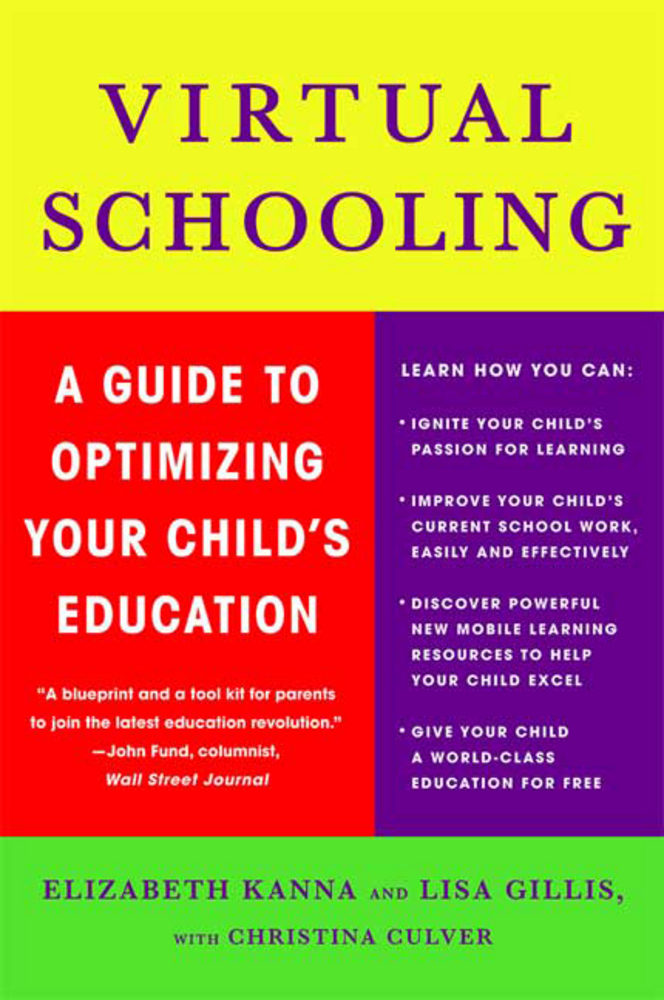
Transitioning from Traditional to Virtual Schooling: A Panel Discussion
Panelists:
– Dr. Lisa Thompson, Education Psychologist
– Sarah Reynolds, Virtual School Teacher
– Mark Johnson, Parent of a Virtual School Student
Moderator: Good evening everyone and welcome to our panel discussion on transitioning from traditional to virtual schooling. Today, we have with us three experts who will share their insights and experiences on this topic. Let’s begin with Dr. Lisa Thompson.
Dr. Thompson: Thank you for having me here today. Transitioning from traditional to virtual schooling can be challenging but also rewarding for students, parents, and educators alike. It requires adaptation and a shift in mindset.
Sarah Reynolds: Absolutely! As a virtual school teacher for several years now, I’ve seen many students thrive in this environment once they adjust to the change. It provides flexibility and personalized learning opportunities that may not always be available in a traditional setting.
Mark Johnson: I agree with Sarah. My daughter has been attending virtual school for the past year due to health issues that prevented her from attending traditional school comfortably. The transition was initially overwhelming for both of us but it has allowed her to continue her education without compromising her well-being.
Moderator: What are some key considerations when transitioning?
Dr. Thompson: One important aspect is establishing clear routines and schedules at home as if it were a regular school day. This helps create structure and maintain motivation among students.
Sarah Reynolds: Building strong communication channels between teachers, students, and parents is crucial during this transition period too. Regular check-ins can help address any concerns or difficulties that arise along the way.
Mark Johnson: From a parent’s perspective, it’s important to provide an appropriate learning environment at home where distractions are minimized as much as possible.
Moderator: How can parents support their children through this process?
Sarah Reynolds: Parents should actively engage with their child’s education by monitoring progress regularly while encouraging independence and self-motivation. It’s also important to create a designated workspace that is conducive to learning.
Dr. Thompson: Additionally, parents can help establish a healthy work-life balance for their children by encouraging breaks, physical activity, and social interactions with peers outside of school hours.
Mark Johnson: As a parent, I believe it’s essential to maintain open lines of communication with teachers and attend virtual parent-teacher conferences or meetings whenever possible. This helps build rapport and ensures everyone is on the same page regarding expectations and progress.
Moderator: Any final thoughts or advice?
Sarah Reynolds: Transitioning from traditional to virtual schooling requires patience and flexibility from all parties involved. It may take time for students to adjust, but with proper support and guidance, they can thrive in this new environment.
Dr. Thompson: Remember that every student is unique, so it’s important to tailor the virtual learning experience according to their needs. Individualized attention can make all the difference in helping them succeed academically and emotionally.
Mark Johnson: Lastly, I would encourage parents not to be afraid of trying virtual schooling if it aligns with their child’s needs and circumstances. With dedication from both educators and parents alike, successful transitions are possible!
Moderator: Thank you all for sharing your valuable insights today! Transitioning from traditional to virtual schooling certainly has its challenges but armed with knowledge and support, families can navigate this transition smoothly.
 Alternative Amie
Leave a comment